
What's Happening?
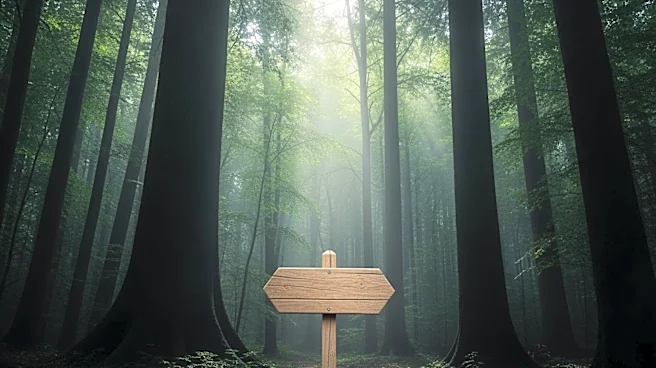
Concerns have been raised regarding the U.S. Forest Service's recent overhaul, which some critics argue resembles dismantling rather than improving efficiency. According to a letter to the editor in the Los
Angeles Times, the reorganization has led to a significant reduction in the workforce, with California losing 14% of its public-lands workforce and a 9% reduction in the U.S. Forest Service staff since 2025. The letter highlights that Congress has underfunded the agency since the 1990s, particularly for non-fire suppression activities. Proposed budget cuts and policy changes, such as efforts to weaken the Roadless Rule, are exacerbating the situation. The closure of California's regional USFS office and research facilities, along with leadership moving from Washington, is seen as a sign of further weakening of the agency.
Why It's Important?
The overhaul of the U.S. Forest Service is significant as it could impact the management and protection of national forests, particularly in California. The reduction in workforce and resources may hinder the agency's ability to effectively manage forest lands, potentially leading to increased vulnerability to wildfires and environmental degradation. The changes could also affect the implementation of forest protection laws and the agency's capacity to conduct necessary research and conservation efforts. Stakeholders, including environmental organizations and local communities, may face challenges in preserving forest ecosystems and ensuring sustainable land management practices.
What's Next?
The future of the U.S. Forest Service's operations and its ability to manage national forests effectively remains uncertain. Stakeholders, including environmental groups and local communities, may advocate for increased funding and resources to support the agency's mission. There may also be calls for policy revisions to strengthen forest protection laws and ensure the agency's capacity to address environmental challenges. The potential impact on forest management and conservation efforts will likely be a topic of discussion among policymakers and environmental advocates.