








What's Happening?
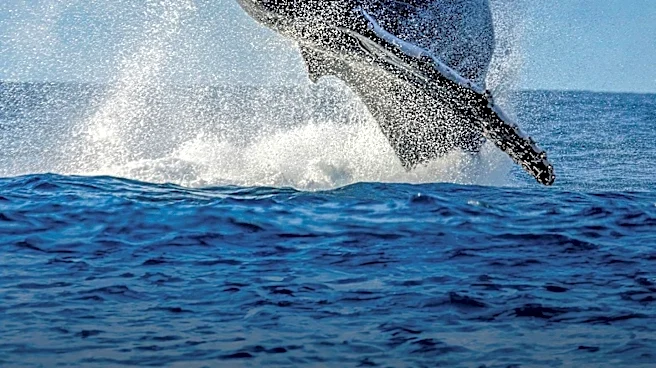
A Royal Caribbean cruise ship struck and killed a 61-foot fin whale, an endangered species, while docking in Seward, Alaska. The incident has prompted a federal investigation and highlights the growing threat of vessel strikes to large whales worldwide.
As global shipping traffic increases, the overlap between shipping lanes and whale habitats poses significant risks to marine life. Scientists estimate that vessel strikes kill around 20,000 whales annually, with many incidents going undetected. The cruise line has expressed regret and is cooperating with authorities.
Why It's Important?
The whale strike incident underscores the broader issue of vessel collisions with marine life, a leading cause of death for large whale species. As shipping lanes increasingly intersect with whale habitats, the risk of such incidents rises, threatening vulnerable populations. The situation calls for enhanced measures to protect marine life, such as implementing speed restrictions and rerouting ships away from critical habitats. Addressing this issue is crucial for the conservation of endangered species and the health of marine ecosystems.
What's Next?
Efforts to mitigate vessel strikes include slowing down ships and developing monitoring systems to alert operators of nearby whales. These measures, along with international cooperation, are essential to reducing the risk of collisions. The ongoing investigation into the Royal Caribbean incident may lead to regulatory changes or enforcement actions. Continued research and technological advancements will play a key role in protecting marine life from the impacts of global shipping.