




What's Happening?
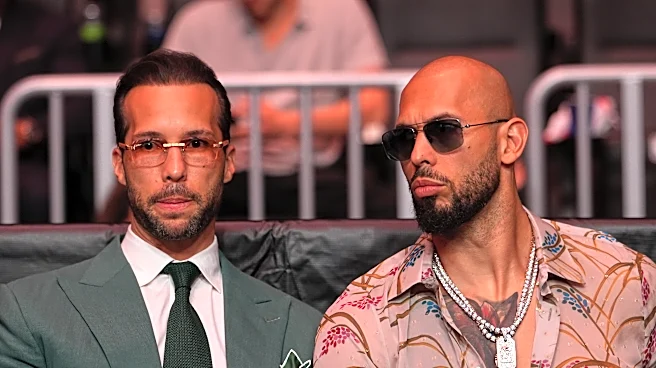
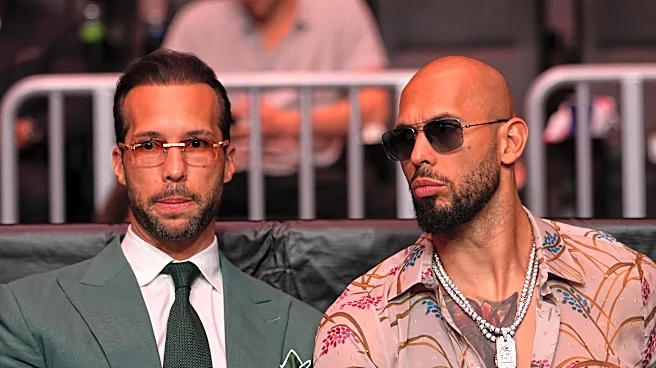
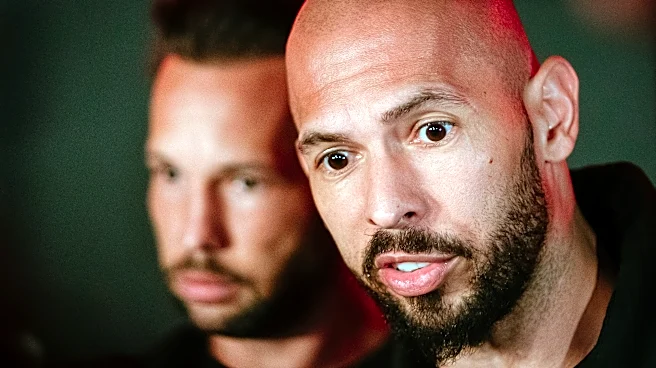
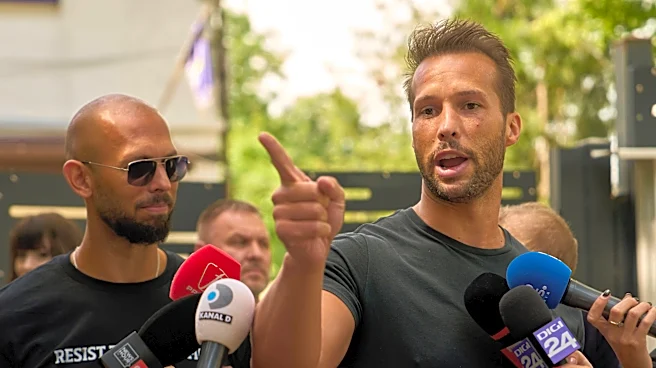
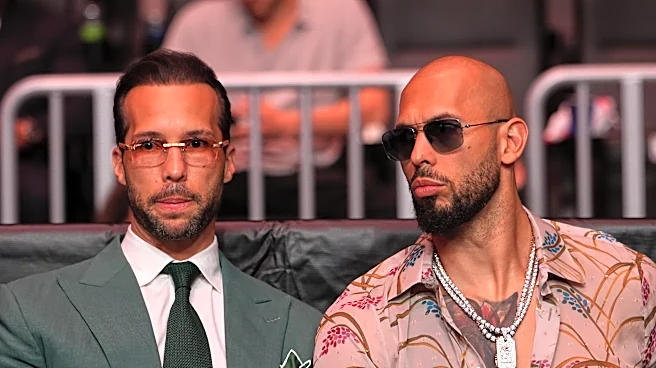
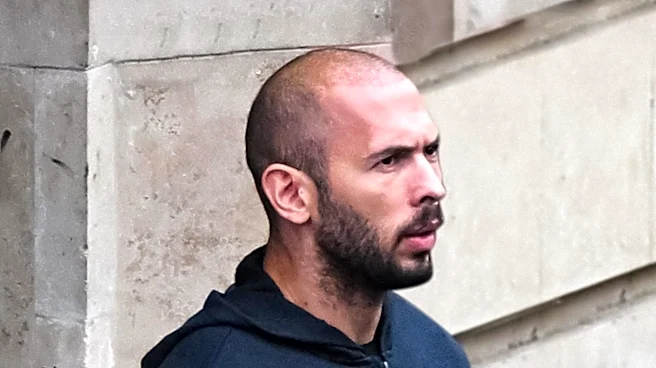
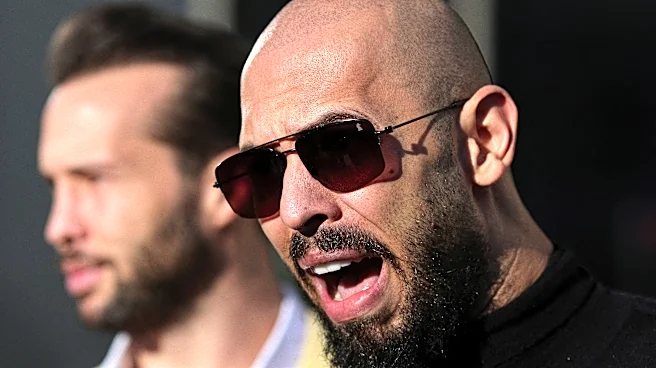
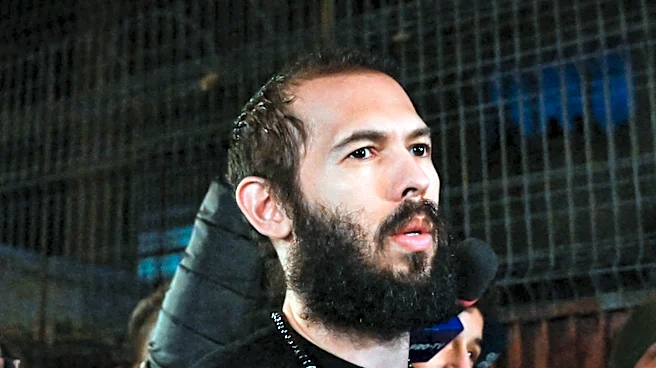
President Trump has decided not to intervene in the extradition process of Andrew and Tristan Tate, who were arrested in Miami under a British extradition request. The brothers face multiple charges in the UK, including rape, sexual assault, and trafficking
for sexual exploitation. The Crown Prosecution Service has charged them with 59 offenses involving seven alleged victims. The Tates deny the allegations and plan to fight extradition. Their arrest has sparked controversy among some of Trump's supporters, who view the case as politically motivated. Despite this, the legal process will continue, with a federal judge first determining the compliance of the UK's request with U.S. law.
Why It's Important?
This development is significant as it demonstrates the U.S. administration's stance on international legal obligations and the extradition treaty with the UK. The decision not to block the extradition could set a precedent for how similar cases are handled in the future. It also highlights the political tensions surrounding the case, as some of Trump's supporters see it as an attack on ideological allies. The case may influence public opinion on the administration's handling of international legal matters and its relationship with the UK. Additionally, it raises questions about the influence of political connections and media narratives in legal proceedings.
What's Next?
The extradition process will proceed with a U.S. court evaluating the legality of the UK's request. If approved, the final decision will be made by the U.S. Secretary of State. The case is likely to continue drawing media attention and public debate, particularly regarding the political implications and the broader impact on U.S.-UK relations. The outcome could affect future extradition cases and international cooperation in criminal justice. It may also prompt discussions on the role of political influence in legal processes and the responsibilities of public figures in addressing serious allegations.