




What's Happening?
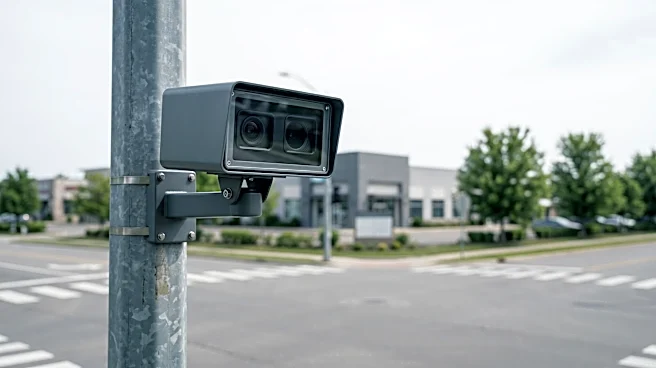
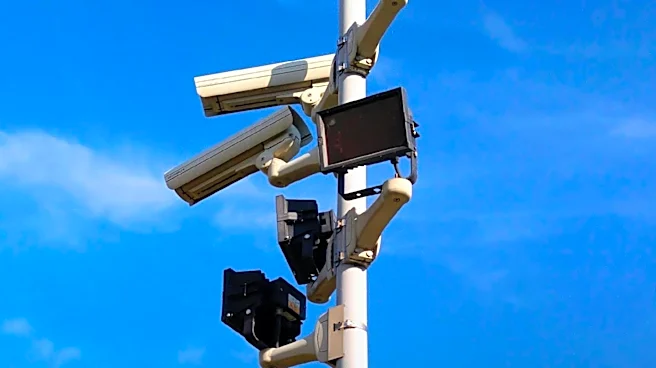
Utah Governor Spencer Cox has expressed deep concern regarding the use of Flock license plate-reading cameras in the state and has ordered a review of the rules and regulations governing their use. This action follows a report by the Utah Civic Compact,
a nonpartisan advocacy group, which revealed that 10 Flock cameras in Weber County had been searched over five million times since February 2022, with nearly 97% of these searches originating from out-of-state law enforcement agencies across 45 states. Governor Cox emphasized his main concern is to ensure that this technology is not being abused. While Utah law already restricts the use of license plate reader data to specific instances such as active criminal investigations, outstanding warrants, missing persons, and stolen vehicles, the report highlighted a lack of mechanisms to verify if out-of-state agencies comply with these regulations. The Governor has tasked the Utah Privacy Governing Board and the Utah Privacy Commission with conducting this review.
Why It's Important?
The review ordered by Governor Cox is crucial for addressing growing concerns about privacy and potential misuse of surveillance technology in the United States. The widespread use of automated license plate readers (ALPRs), like those from Flock Safety, by law enforcement agencies nationwide has raised questions about data access, retention, and accountability. The Utah Civic Compact's findings underscore a significant loophole: while Utah has laws governing ALPR data use, there's no practical way to ensure compliance, especially from out-of-state entities. This situation could lead to unauthorized tracking of citizens, potential for abuse by individual officers, and a general erosion of privacy rights. The outcome of this review could set a precedent for how other states manage ALPR technology, potentially leading to more robust legislative frameworks and oversight mechanisms to protect civil liberties while still allowing law enforcement to utilize these tools effectively for legitimate purposes. It highlights the ongoing tension between public safety and individual privacy in the digital age.
What's Next?
The Utah Privacy Governing Board and the Utah Privacy Commission will now undertake a comprehensive review of the existing rules and regulations concerning Flock cameras and their usage by local and out-of-state agencies. Governor Cox has indicated that he would support additional legislation if the review determines that current privacy protections are insufficient. This suggests a potential for new laws or amendments to existing ones to strengthen oversight, establish clear auditing mechanisms for data access, and ensure accountability for any misuse. Stakeholders, including privacy advocates like the Utah Civic Compact, will likely monitor this review closely and continue to push for greater transparency and stricter controls. The findings and subsequent actions in Utah could influence policy discussions and legislative efforts in other states grappling with similar privacy concerns related to ALPR technology, potentially leading to a broader reevaluation of how such surveillance tools are deployed and governed across the nation.
Beyond the Headlines
The controversy surrounding Flock cameras in Utah delves into the deeper societal implications of pervasive surveillance technology and the balance between security and individual freedoms. The ability of law enforcement to access millions of license plate records, often without clear oversight or verification of compliance with local laws, raises fundamental questions about the nature of privacy in public spaces. This issue extends beyond mere legal technicalities, touching upon ethical considerations of constant monitoring and the potential for a 'chilling effect' on civil liberties. The lack of a robust auditing system for out-of-state data requests highlights a systemic vulnerability in how data-sharing agreements are managed across jurisdictions. This situation could lead to a future where individuals are constantly tracked, creating a detailed mosaic of their movements and associations, which could be exploited or misused. The debate in Utah reflects a broader national conversation about the appropriate limits of technological surveillance and the need for clear, enforceable safeguards to prevent a surveillance state, even if unintended.