







What's Happening?
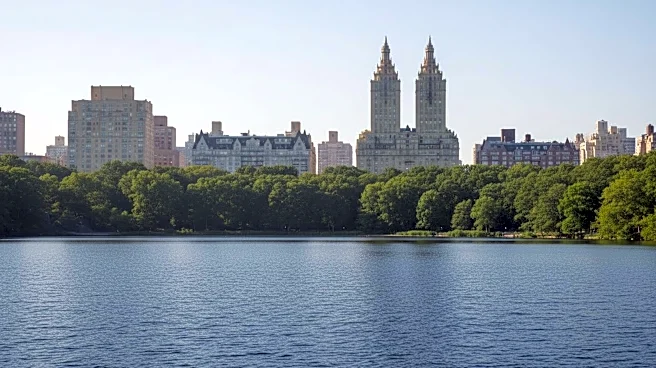
Health officials have reported a significant increase in the number of Legionnaires' disease cases on the Upper East Side. The cluster has now grown to 23 confirmed cases, with 17 individuals requiring hospitalization. Legionnaires' disease is a severe
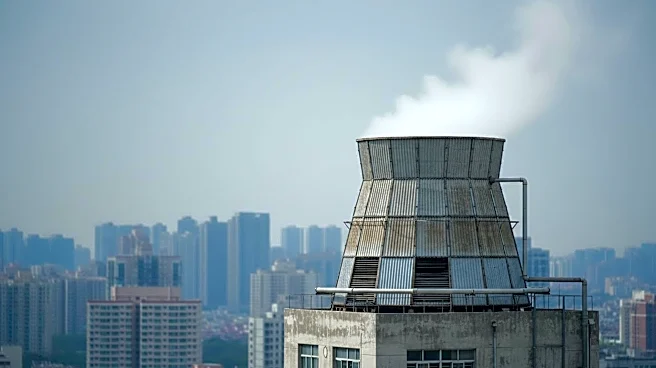
form of pneumonia caused by the Legionella bacteria, which is often found in water systems such as cooling towers, hot tubs, and large plumbing systems. The outbreak has prompted health authorities to investigate potential sources of the bacteria and implement measures to prevent further spread. Residents in the affected area are being advised to seek medical attention if they experience symptoms such as cough, shortness of breath, fever, muscle aches, and headaches.
Why It's Important?
The increase in Legionnaires' disease cases is a public health concern due to the potential severity of the illness and its impact on the community. Hospitalizations indicate the seriousness of the outbreak, which can strain local healthcare resources. The situation underscores the importance of maintaining and monitoring water systems to prevent bacterial growth. This outbreak may lead to increased scrutiny and regulation of water systems in residential and commercial buildings, particularly in densely populated urban areas like New York City. Public health officials are likely to enhance efforts in educating the public about the disease and its prevention.
What's Next?
Health officials are expected to continue their investigation to identify the source of the outbreak and implement control measures. This may involve testing water systems in the area and possibly shutting down or treating contaminated systems. Residents and building managers may be required to follow specific guidelines to ensure water safety. The situation will likely prompt discussions on improving infrastructure and preventive measures to avoid future outbreaks. Public health updates and advisories will be crucial in managing the community's response and ensuring public safety.