







What's Happening?
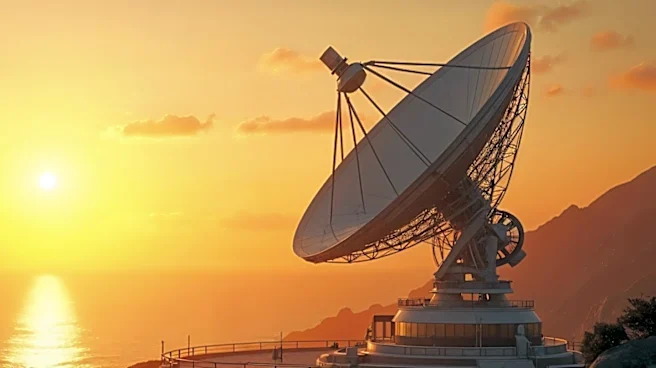
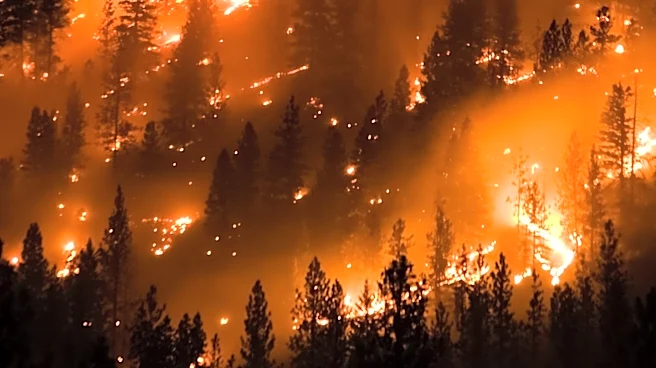
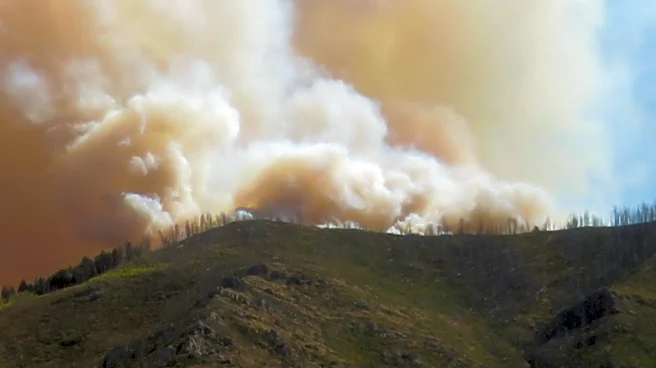
A wildfire has swept through NASA's Madrid Deep Space Communications Complex, endangering six massive radio antennas crucial for interplanetary communication. The facility, located in the Sierra de Guadarrama foothills, was evacuated, and the extent of
damage to the antennas remains unknown. The Madrid station is a critical part of NASA's Deep Space Network, which also includes stations in California and Australia. The loss of Madrid exacerbates an existing capacity crisis, as the network was already operating beyond its limits. The situation is compounded by the offline status of Goldstone's most powerful antenna due to previous damage.
Why It's Important?
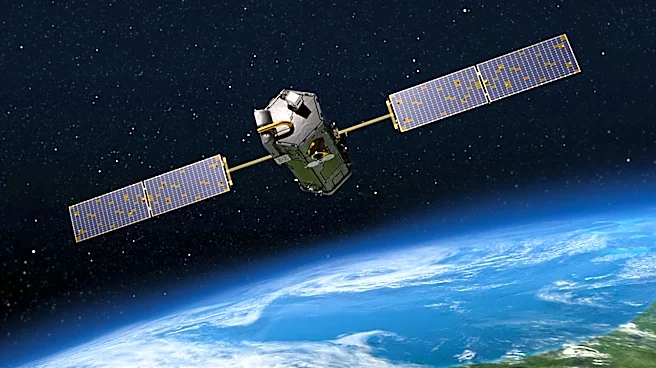
The Madrid station's role is vital for maintaining continuous communication with spacecraft, as it is strategically positioned to provide coverage when other stations cannot. Its loss could lead to communication gaps, affecting missions like Voyager 1, which requires the combined power of multiple antennas. The incident highlights the vulnerability of critical infrastructure to climate-driven events, as the wildfire is part of a broader pattern of increasing wildfires in Europe. The situation underscores the need for NASA to address capacity issues within the Deep Space Network and consider climate risks in future planning.
What's Next?
NASA will need to assess the damage to the Madrid facility once it is safe to do so. In the interim, the remaining stations in California and Australia will have to manage the increased load, potentially leading to delays and reduced data transmission for some missions. The agency may need to expedite repairs to the Goldstone antenna and explore options for enhancing network capacity. Additionally, NASA and its partners will likely need to develop contingency plans to mitigate the impact of similar events in the future, considering the increasing frequency of climate-related disruptions.