








What's Happening?
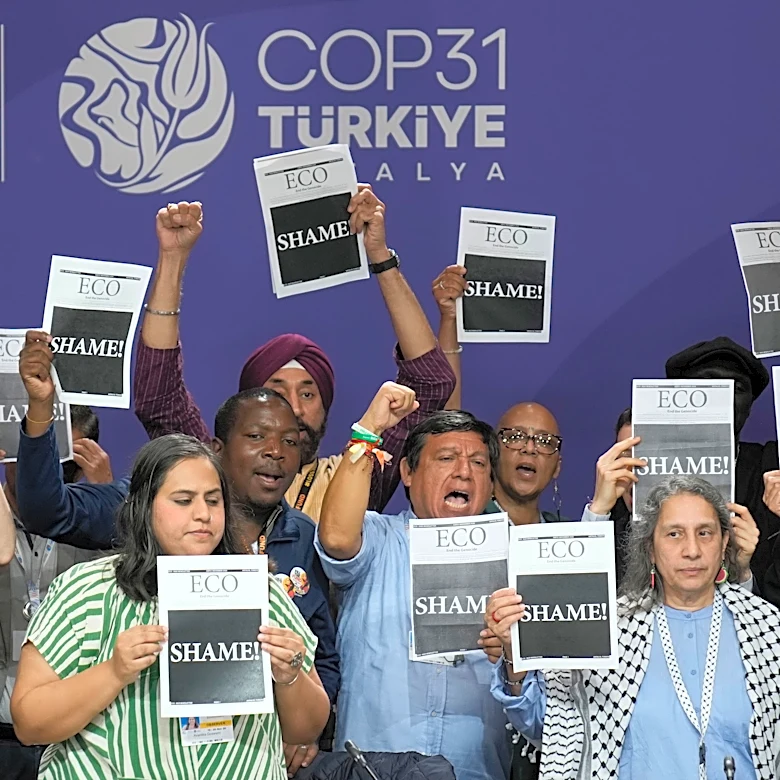
During the COP31 negotiations, ACT Alliance has issued a warning that progress on climate finance remains insufficient. The organization emphasizes that climate finance must be significantly increased to meet the demands of climate-vulnerable nations
and communities. Furthermore, the delivery of these funds needs to be expedited to ensure support reaches those affected when it is most needed. ACT Alliance is calling for developed countries to fulfill their existing obligations, particularly concerning adaptation finance, with enhanced transparency and accountability. The group also stresses the importance of establishing a clear framework for scaling up adaptation finance and accurately measuring progress against current commitments. This urgent call highlights a critical gap between the escalating impacts of climate change and the financial resources available to address them, underscoring that communities cannot afford further delays in funding or access to resources.
Why It's Important?
The inadequacy of climate finance, as highlighted by ACT Alliance, poses a significant threat to global efforts to combat climate change and protect vulnerable populations. Without sufficient and timely funding, developing nations and communities on the frontlines of climate change will struggle to implement crucial adaptation and mitigation strategies. This shortfall can lead to increased humanitarian crises, economic instability, and a widening of global inequalities. The call for greater transparency and accountability in climate finance is vital for building trust between developed and developing nations and ensuring that funds are effectively utilized. Failure to meet these financial obligations could undermine international climate agreements, slow down the transition to a sustainable global economy, and exacerbate the impacts of climate change on the most vulnerable, potentially leading to long-term geopolitical instability and increased migration pressures.
What's Next?
Following the calls from ACT Alliance and other organizations at COP31, the immediate next steps involve continued pressure on developed nations to commit to and deliver on their climate finance pledges. Discussions will likely intensify around establishing concrete mechanisms for scaling up adaptation finance and improving the speed and accessibility of these funds. There will be a focus on developing more robust frameworks for transparency and accountability to track financial flows and their impact. Stakeholders, including governments, international organizations, and civil society groups, will need to collaborate to design innovative financial instruments and ensure that local actors and communities have direct access to resources. Future climate summits and international forums will serve as critical platforms for monitoring progress and holding nations accountable for their commitments, with ongoing advocacy from climate justice groups playing a key role in shaping policy and action.
Beyond the Headlines
The ongoing struggle to secure adequate climate finance reveals deeper systemic issues within global governance and economic structures. It highlights the ethical imperative for historical emitters to support nations that have contributed least to climate change but are most affected by its consequences. The debate also touches upon the concept of climate justice, emphasizing that financial support is not merely aid but a matter of rectifying historical injustices and ensuring equitable development. Furthermore, the challenge of delivering finance faster and making it accessible to local actors points to the need for decentralizing climate action and empowering grassroots initiatives. This shift requires overcoming bureaucratic hurdles and addressing power imbalances that often prevent funds from reaching those who need them most, ultimately challenging traditional models of international development and aid.