



What's Happening?
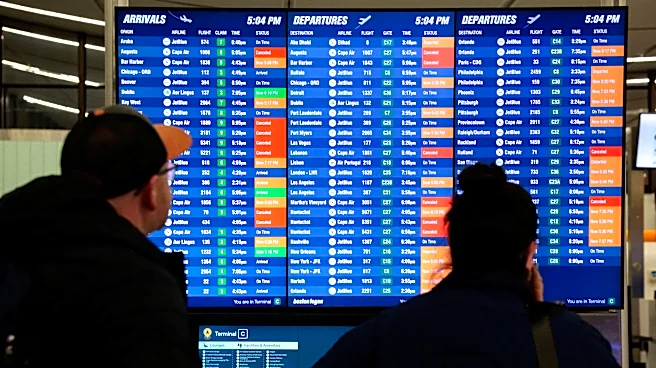
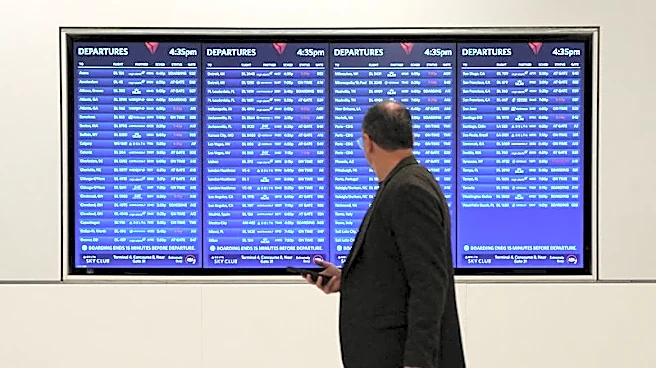
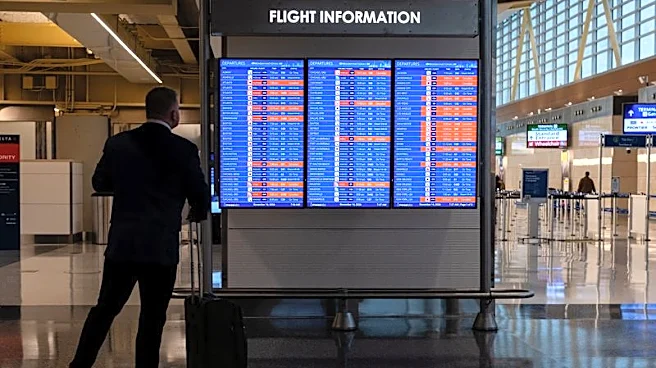
A nationwide ground stop significantly impacted air travel at Manchester-Boston Regional Airport (MHT) in New Hampshire, leading to numerous flight cancellations. This disruption occurred on a Sunday, coinciding with Southern New Hampshire University's
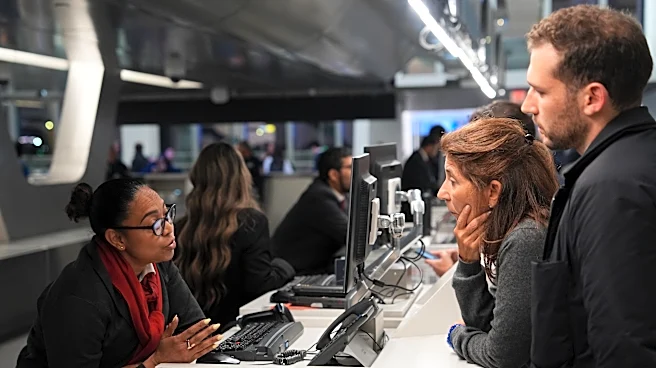
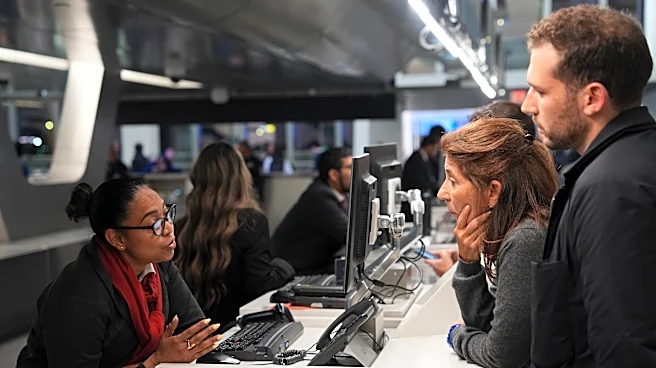
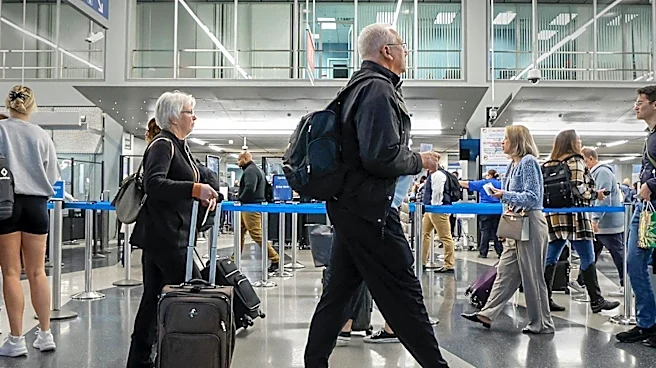
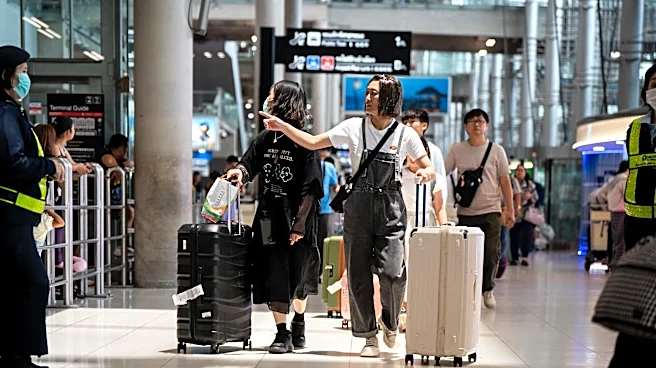
(SNHU) graduation ceremony, leaving many graduates and their families stranded. For instance, Joshua Logsdon and his wife, who traveled to New Hampshire for their daughter's graduation, had their return flight to San Antonio canceled. Similarly, Cassandra Horta, an SNHU graduate, experienced delays and cancellations throughout the weekend, including a flight cancellation for her return to California on Sunday. The ground stop, which began on Friday, caused widespread inconvenience, forcing travelers to scramble for alternative arrangements and extending their stays unexpectedly. The airport was back up and running, but delays were expected to continue through the weekend.
Why It's Important?
The incident at Manchester-Boston Regional Airport highlights the significant vulnerability of air travel to system-wide disruptions, even those originating from a nationwide ground stop. For the U.S. economy, such events can lead to substantial financial losses for airlines due to canceled flights, rebooking costs, and compensation for affected passengers. Businesses relying on air cargo or executive travel also face delays and operational challenges. For individuals, particularly those attending significant life events like graduations, these disruptions cause considerable stress, financial burden from unexpected accommodation, and lost time. The ripple effect extends to local economies, as stranded travelers may boost local spending in the short term but also reflect negatively on travel reliability, potentially impacting future tourism and business travel to the region. The event underscores the critical need for robust and resilient air traffic control systems and contingency plans to mitigate the impact of such widespread interruptions.
What's Next?
Following the nationwide ground stop, air travel is anticipated to gradually recover, with Monday expected to see a return to more normal operations. However, delays and potential cancellations may persist as airlines work to reposition aircraft and crews and accommodate rebooked passengers. Lawmakers are expected to engage in discussions regarding the next steps to address the causes and consequences of the ground stop, potentially leading to reviews of air traffic control infrastructure and protocols. For affected passengers, the immediate next steps involve rebooking flights and seeking any eligible compensation from airlines. The incident may also prompt airlines and airports to review their communication strategies and contingency plans for managing large-scale disruptions, aiming to improve passenger experience and operational efficiency during future events.
Beyond the Headlines
Beyond the immediate travel disruptions, this event brings to light broader implications concerning the resilience of critical national infrastructure. A nationwide ground stop, regardless of its cause, exposes the interconnectedness and fragility of modern transportation systems. It raises questions about the technological robustness of air traffic control systems and the potential for cascading failures. The incident could also fuel public debate on investment in modernizing air travel infrastructure and the role of government agencies in ensuring seamless and secure air operations. Furthermore, the personal stories of stranded graduates underscore the human element of such disruptions, highlighting the emotional and logistical challenges faced by individuals whose plans are unexpectedly upended. This event serves as a reminder of the constant need for vigilance and adaptation in managing complex national systems.