
What's Happening?
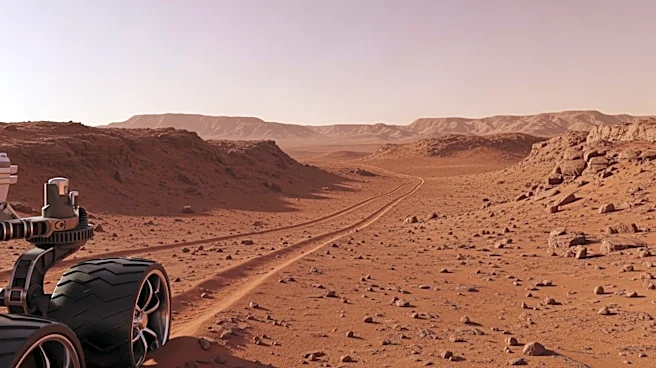
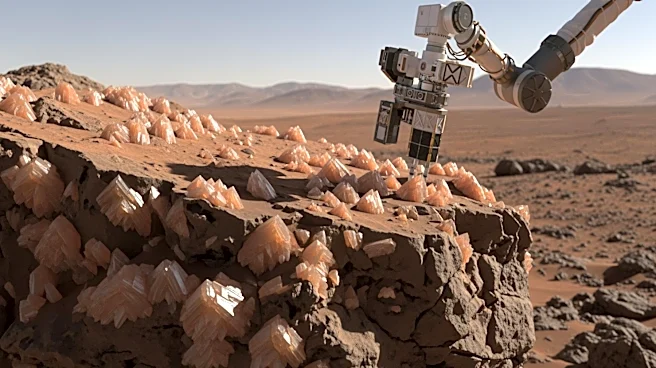
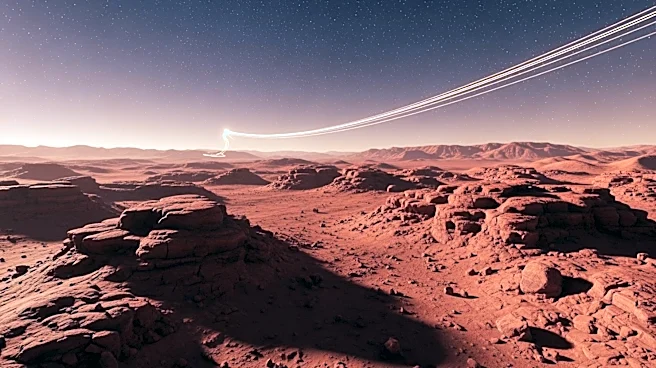
NASA has released new panoramic images from its Curiosity and Perseverance rovers, showcasing the diverse landscapes of Mars. The images, captured thousands of miles apart, highlight the planet's complex
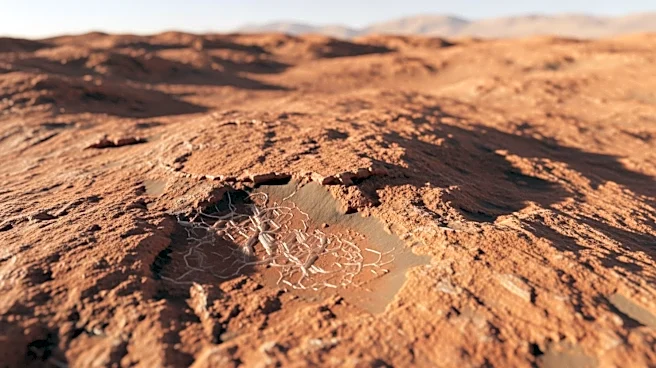
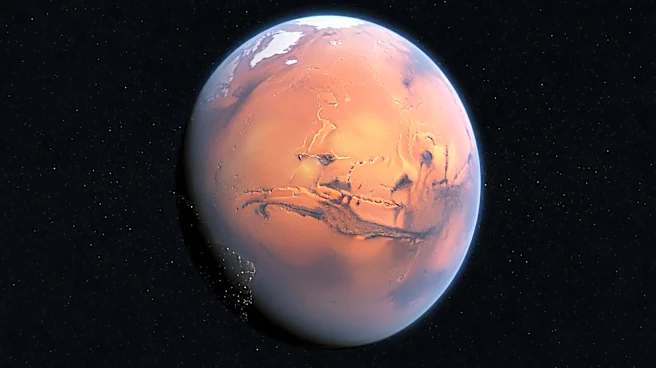
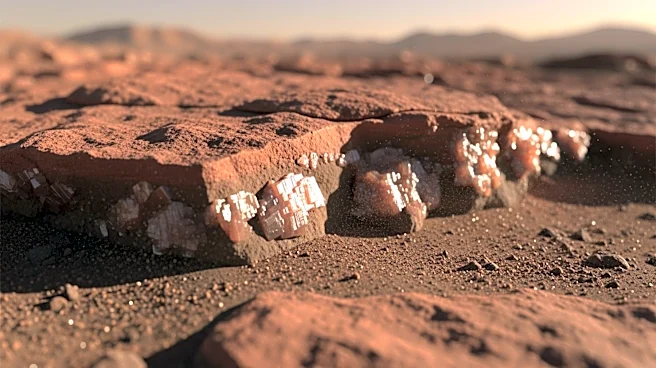
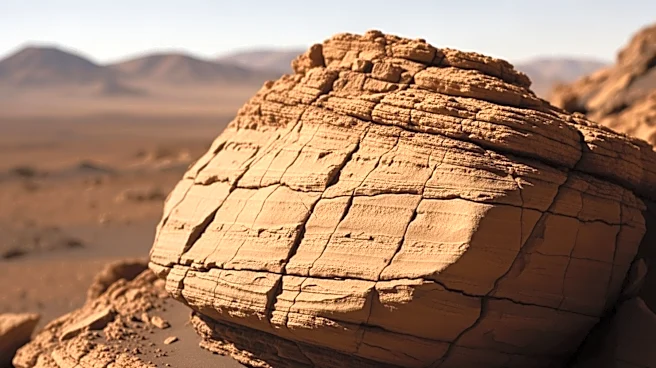
geological history. Perseverance's panorama, taken near Jezero Crater, reveals terrain shaped by ancient water activity, indicating the presence of a lake and river delta billions of years ago. Curiosity's images from Gale Crater show 'boxwork' formations created by groundwater. These panoramas provide insights into Mars' past, with Curiosity focusing on habitable conditions and Perseverance searching for signs of past life.
Why It's Important?
The release of these panoramas is significant for understanding Mars' history and its potential to have supported life. The images offer a detailed view of the planet's geological evolution, helping scientists piece together how Mars transitioned from a wetter environment to its current dry state. This research is crucial for future missions and the possibility of human exploration. The findings could also inform the search for life on other planets, as understanding Mars' past environments may provide clues about where to look for life beyond Earth.
What's Next?
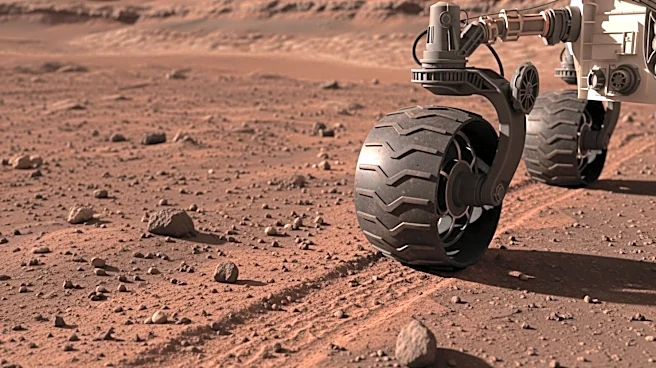
NASA's ongoing missions with Curiosity and Perseverance will continue to explore Mars' surface, collecting data and samples. Perseverance is tasked with gathering rock samples that may be returned to Earth for further analysis. These efforts aim to deepen our understanding of Mars' habitability and prepare for potential human missions. The data collected will also contribute to the broader scientific community's efforts to study planetary formation and evolution, potentially leading to new discoveries about our solar system.