
What's Happening?
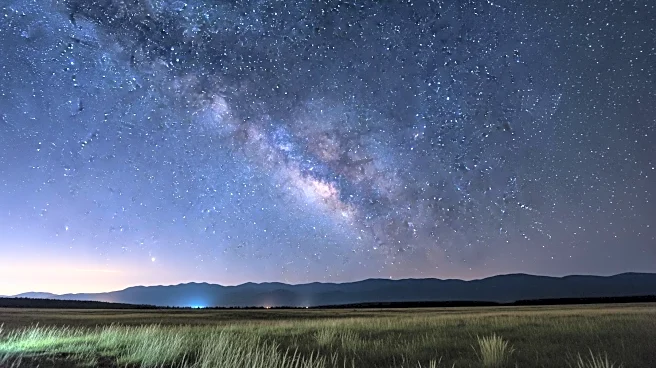
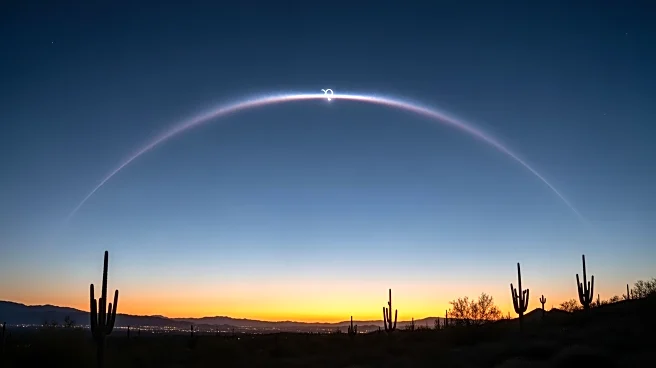
The spring equinox, occurring around March 20, presents an ideal opportunity for stargazers in the Northern Hemisphere to observe the zodiacal light. This phenomenon, a faint glow visible in the sky, is caused by sunlight reflecting off dust particles
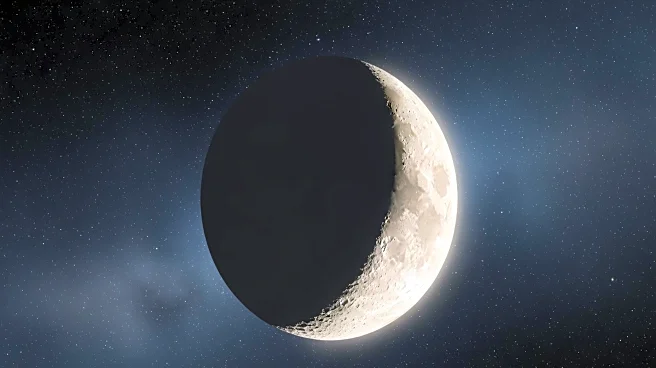
concentrated on the ecliptic, the plane surrounding the sun. The best viewing conditions are away from city lights, with the moon absent from the post-sunset sky, particularly from March 7 to a few days after the new moon on March 20. The zodiacal light is most visible in the hours following sunset around the spring equinox and before dawn around the autumn equinox. It is often referred to as a 'false dusk' or 'false dawn' depending on the time of year.
Why It's Important?
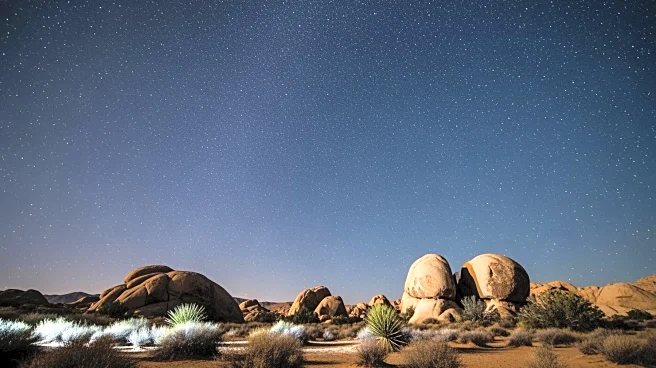
The visibility of the zodiacal light during the spring equinox offers a unique opportunity for both amateur and professional astronomers to observe a rare natural phenomenon. This event not only enhances public interest in astronomy but also provides a chance for educational outreach and engagement with the science community. The phenomenon's visibility is contingent on specific conditions, such as the absence of the moon and minimal light pollution, highlighting the importance of preserving dark skies for astronomical observations. Additionally, the event underscores the interconnectedness of celestial events and their impact on observational opportunities.
What's Next?
As the spring equinox approaches, astronomers and enthusiasts are likely to organize viewing events and educational sessions to maximize public engagement. These activities may include guided stargazing sessions and workshops on understanding celestial phenomena. The event also serves as a reminder of the ongoing need to address light pollution, which can hinder the visibility of such natural displays. Future studies may focus on the composition and origin of the dust particles responsible for the zodiacal light, potentially leading to new insights into the solar system's formation and evolution.