








What's Happening?
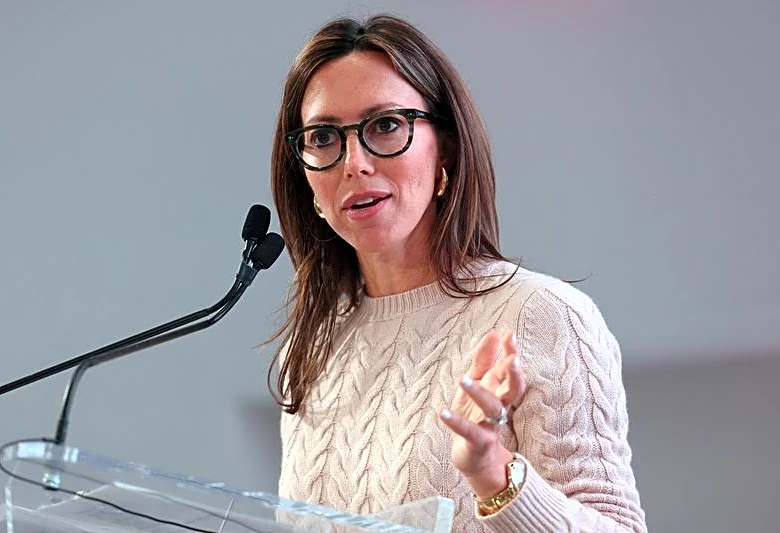
According to the Urban Institute's Catherine Harvey, families in the Midwest are experiencing the cost-of-living crunch at similar rates to other regions in the U.S. Approximately half of American families lack the resources to cover essential expenses,
impacting their ability to live securely in their communities. Charles Gascon from the St. Louis Federal Reserve Bank notes that prices have increased faster than wages and incomes, making living costs more burdensome relative to income. In response, various cities have implemented measures such as new apartment buildings, free bus programs, and rent control ordinances to alleviate financial pressures.
Why It's Important?
The rising cost of living is a significant issue affecting many American families, particularly in the Midwest. As prices outpace wage growth, families are forced to make difficult financial decisions, potentially impacting their quality of life and economic stability. The measures taken by cities to address affordability, such as rent control and public transportation initiatives, highlight the need for systemic solutions to support families struggling with financial insecurity. These efforts are crucial in maintaining community stability and preventing further economic disparity.
What's Next?
Cities may continue to explore and implement policies aimed at reducing living costs and supporting families. This could include expanding affordable housing projects, enhancing public transportation systems, and revisiting wage policies to ensure they align with living expenses. Stakeholders, including policymakers and community leaders, will likely engage in discussions to identify effective strategies for addressing the cost-of-living challenges faced by residents.