





What's Happening?
Chinese companies have reportedly become less reactive to tariff threats from the United States, as indicated by recent statements from industry executives. Despite the ongoing trade tensions, Chinese firms have maintained their competitiveness and resilience
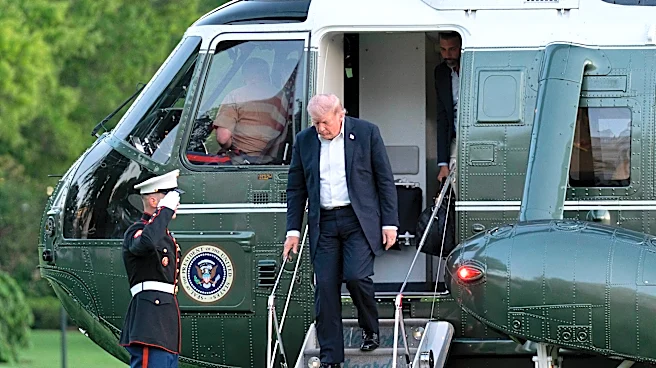
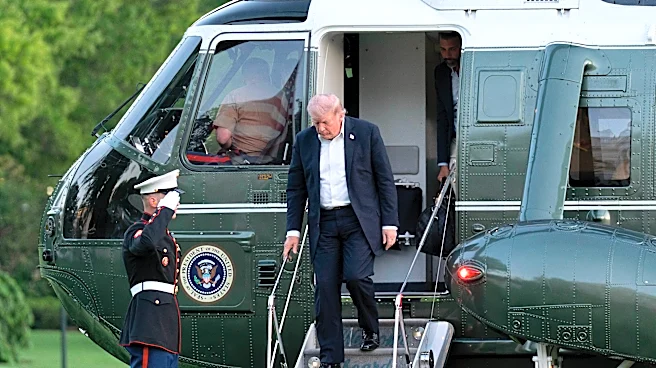
by focusing on self-sufficiency and expanding into new markets. The American Chamber of Commerce in Shanghai noted that its members have limited expectations from President Trump's visit to Beijing, but they remain hopeful for a temporary truce on tariffs. The Chinese strategy includes leveraging global dependence on their supply chains and controlling exports of critical materials like rare earths. This approach has allowed Chinese exporters to remain competitive, even as exports to the U.S. have decreased.
Why It's Important?
The resilience of Chinese firms in the face of U.S. tariff threats highlights the shifting dynamics in global trade. As Chinese companies continue to strengthen their supply chains and expand into new markets, the U.S. may face challenges in maintaining its trade leverage. The potential for a temporary truce on tariffs could provide short-term relief for businesses, but the long-term implications suggest a need for strategic adjustments by U.S. companies. The situation underscores the importance of diversifying supply chains and reducing dependency on single markets, which could influence future trade policies and economic strategies.
What's Next?
Looking ahead, the focus will be on whether the U.S. and China can reach a more permanent resolution to their trade disputes. The potential for continued dialogue and negotiation could lead to changes in tariff policies and trade agreements. Businesses on both sides will need to monitor developments closely and adapt their strategies accordingly. The outcome of President Trump's visit to Beijing and any subsequent agreements will be critical in shaping the future of U.S.-China trade relations.