
What's Happening?
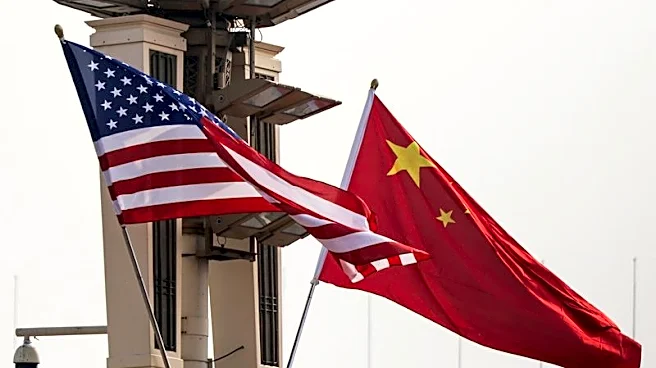
The Trump administration has revoked the visa of a Chinese national working for the state news agency Xinhua in the United States. This action appears to be a reciprocal response to Beijing's expulsion
of Vivian Wang, a New York Times correspondent. The expulsion of Wang was reportedly due to her association with a DealBook event featuring Taiwan's leader, although she had no direct involvement in the event. The New York Times has criticized the expulsion, emphasizing the importance of journalistic access to China, especially given the dwindling presence of U.S. media in the country. The Chinese government has not commented on the situation.
Why It's Important?
This development highlights the ongoing tensions between the U.S. and China, particularly in the realm of media and information exchange. The reciprocal expulsions underscore the fragile state of diplomatic relations and the challenges faced by journalists in maintaining access to critical regions. The situation could further strain U.S.-China relations, impacting diplomatic negotiations and international perceptions. The reduction in journalistic presence in China limits the global audience's ability to receive independent reporting on the world's second-largest economy, which is crucial for informed international discourse.
What's Next?
The situation may lead to further diplomatic discussions or retaliatory actions between the U.S. and China. Media organizations and international bodies may advocate for the reinstatement of journalists and the protection of press freedoms. The U.S. government might consider additional measures to address the expulsion of American journalists, while China could respond with further restrictions on foreign media. The outcome of these actions could influence future media policies and international relations between the two countries.