


What's Happening?
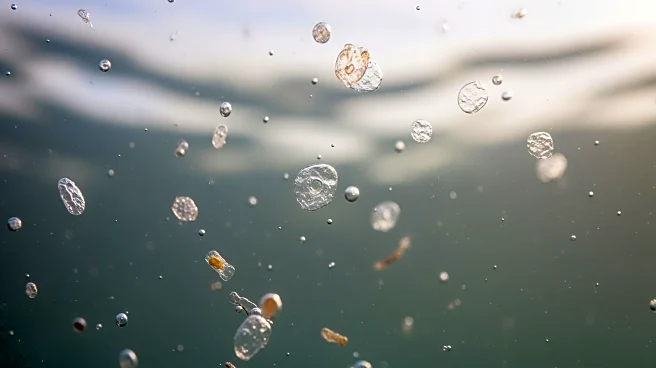
Microplastics, tiny plastic particles, have been found in various environments, including human tissues and organs. Despite alarming claims, such as the ingestion of a credit card's worth of microplastics weekly, recent scrutiny reveals these figures
are exaggerated. The widespread presence of microplastics is attributed to the durability and extensive use of plastics since the early 20th century. Studies have detected microplastics in human heart tissue, livers, kidneys, and even breast milk. However, the actual health impact remains uncertain. Many studies use unrealistic doses or sizes of microplastics, making it difficult to draw concrete conclusions about their effects on human health.
Why It's Important?
The presence of microplastics in human tissues raises concerns about potential health risks, including inflammation and oxidative stress. While some animal studies suggest possible adverse effects, the doses used are often much higher than typical human exposure. The World Health Organization has highlighted the need for more realistic studies to understand the true impact of microplastics on human health. This issue is significant as it touches on broader environmental and public health concerns, prompting discussions on pollution, plastic use, and regulatory measures. Understanding the real risks associated with microplastics is crucial for developing informed public health policies and environmental strategies.
What's Next?
Further research is needed to determine the actual health effects of microplastics on humans. This includes studies with realistic exposure levels and sizes of microplastics. As the field is still developing, scientists aim to establish clearer links between microplastic exposure and health outcomes. Policymakers and environmental groups may push for stricter regulations on plastic production and waste management to mitigate potential risks. Public awareness campaigns could also play a role in reducing plastic use and encouraging recycling. The scientific community continues to explore the long-term implications of microplastics on both human health and the environment.
Beyond the Headlines
The microplastics issue highlights the broader challenge of managing plastic pollution and its environmental impact. It raises ethical questions about consumer responsibility and corporate accountability in plastic production and waste. The durability of plastics, once seen as an advantage, now poses a significant environmental challenge. This situation underscores the need for innovation in developing biodegradable materials and improving waste management systems. The cultural shift towards sustainability and reduced plastic use could have lasting effects on consumer behavior and industry practices, potentially leading to significant environmental benefits.