






What's Happening?
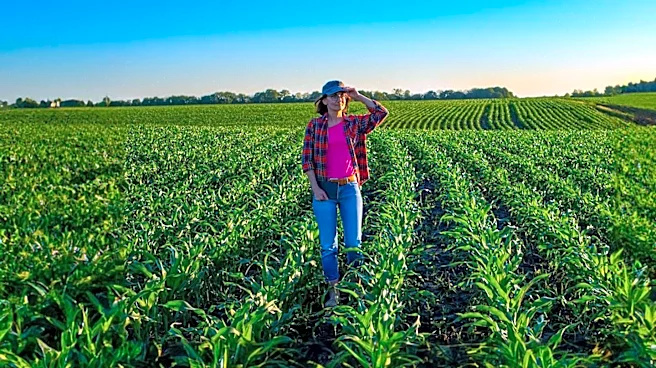
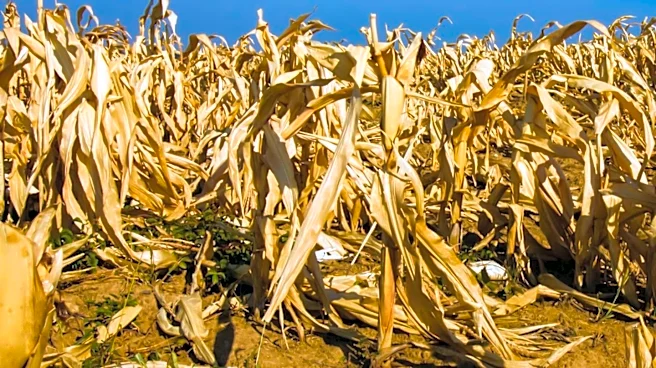
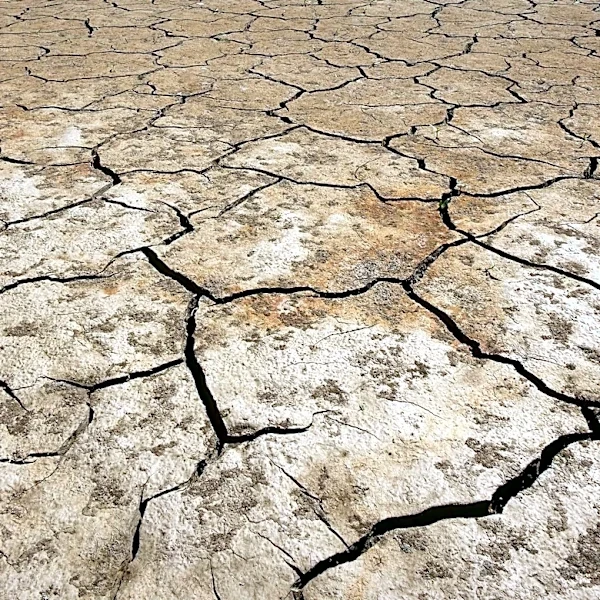
Northwestern Wisconsin is experiencing its driest weather after June 1st in 130 years, significantly impacting crop yields. Andy Bensend, a farmer in Barron County who grows corn, soybeans, and wheat, anticipates a roughly 20% reduction in grain yields. While
soybean harvest is still about a week to ten days away, the dry conditions have already accelerated silage production, with farmers in the region being 75% finished, which is unusually advanced compared to other areas. As of Sunday, the USDA reported that only 1% of Wisconsin corn has been harvested, with 61% in good to excellent condition. Fifty-nine percent of soybeans are in good condition, and oat harvest is complete.
Why It's Important?
The severe drought in northwestern Wisconsin poses a significant economic threat to the agricultural sector in the region. A 20% reduction in grain yields, as anticipated by farmers like Andy Bensend, directly translates to substantial financial losses for individual farms and could impact the broader agricultural economy of the state. Reduced crop output can lead to higher commodity prices, affecting consumers, and potentially impacting the supply chain for food and animal feed. The accelerated silage production, while a response to dry conditions, also indicates stress on crops and may affect the quality or quantity of feed available for livestock. This situation highlights the vulnerability of agricultural production to extreme weather events and the need for resilient farming practices and support systems.
What's Next?
Farmers in northwestern Wisconsin will continue with the soybean harvest, which is expected to begin in earnest within the next week to ten days, providing a clearer picture of the actual yield reductions. The USDA will likely continue to monitor crop conditions and provide updates, which will be crucial for farmers, commodity markets, and policymakers. The long-term implications of this drought year may include adjustments in planting strategies for future seasons, increased investment in irrigation or drought-resistant crop varieties, and potential calls for agricultural aid or insurance support. The experience will also likely inform discussions around climate change adaptation in the agricultural sector.
Beyond the Headlines
The drought in northwestern Wisconsin underscores the increasing volatility of weather patterns and its direct consequences for food security and rural economies. Beyond the immediate financial losses for farmers, prolonged or recurrent droughts can lead to soil degradation, increased pest pressure, and long-term shifts in agricultural viability for certain regions. This situation also highlights the interconnectedness of agricultural practices with broader environmental health, as water scarcity can exacerbate other issues like nutrient runoff and soil erosion. The challenges faced by Wisconsin farmers are indicative of a national trend where climate change is forcing the agricultural industry to adapt rapidly, prompting innovation in water management, crop science, and risk mitigation strategies to ensure a stable food supply.