
What's Happening?
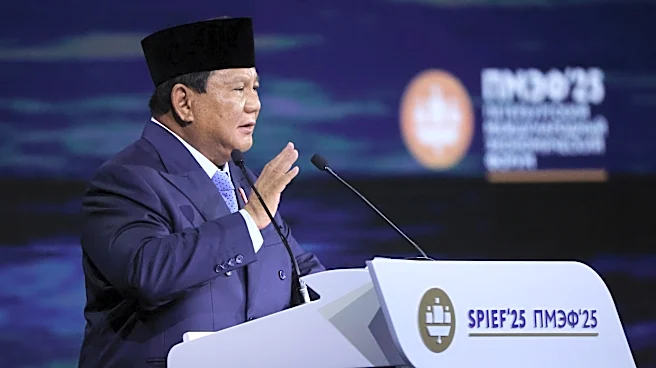
Indonesia, represented by special presidential envoy for climate and energy Hashim Djojohadikusumo, affirmed its commitment to balancing economic growth with climate action at the 31st Conference of the Parties
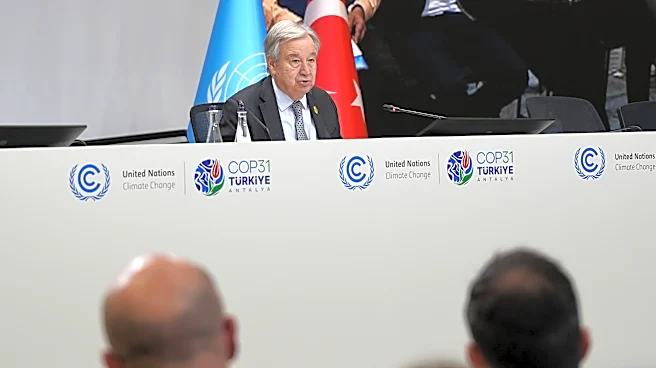
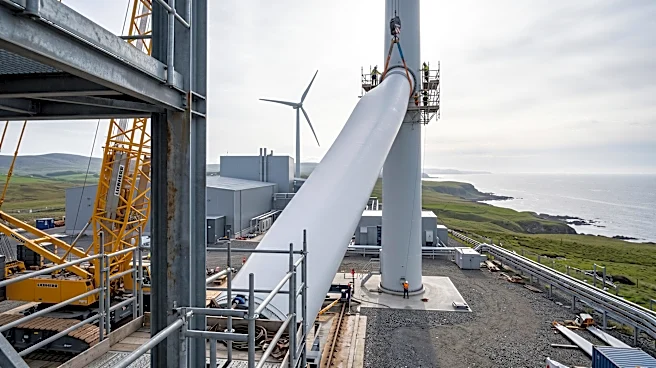
(COP31) to the UN Framework Convention on Climate Change (UNFCCC) in Antalya. President Prabowo Subianto's administration aims to pursue both development and climate goals, including a pledge to build 100 gigawatts (GW) of solar power capacity to reduce reliance on fossil fuels. Hashim also highlighted Indonesia's decision against expanding farming into primary forest areas, focusing instead on improving agricultural productivity on degraded land. Indonesia has joined Ethiopia, Fiji, Pakistan, and Uzbekistan as pilot countries for the Climate Implementation Bridge, an initiative to translate climate commitments into bankable projects. Environment Minister Mohammad Jumhur Hidayat emphasized the need for flexibility in this framework to accommodate national priorities. Indonesia's second nationally determined contribution (NDC) projects greenhouse gas emissions to peak between 1.35 and 1.49 gigatonnes of carbon dioxide equivalent (CO2e) in 2030, with a long-term goal of achieving net-zero emissions by 2060 or sooner.
Why It's Important?
Indonesia's stance at COP31 underscores a critical challenge for developing nations: how to pursue economic development while simultaneously addressing climate change. The country's emphasis on solar power expansion, without direct mention of phasing out fossil fuels like coal, highlights the economic complexities involved in transitioning to cleaner energy sources. The call for increased climate finance from developed countries, specifically fulfilling the New Collective Quantified Goal (NCQG) of at least US$300 billion annually by 2035, is crucial for emerging economies like Indonesia. A significant drop in public funding for climate action in developing countries, down by over 70 percent this year, complicates these efforts. The UN Secretary-General António Guterres's proposal for a 'climate justice compact' reflects the global recognition that developing nations require financial and technological support to transition away from fossil fuels without hindering their economic progress. The success of initiatives like the Climate Implementation Bridge will depend on accessible, affordable, and nationally aligned climate finance.
What's Next?
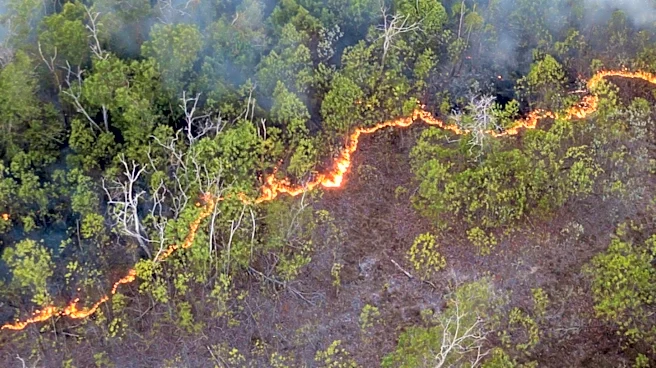
Indonesia's participation in the Climate Implementation Bridge suggests a move towards more concrete project development to meet climate commitments. However, the effectiveness of these projects will depend on the availability of external funding and the flexibility of the framework to align with national priorities. Analysts like Mohammad Faisal of CORE suggest that a concrete roadmap is needed to ensure climate action and economic growth are compatible, particularly regarding curbing coal use and accelerating green transitions. The ongoing challenge of wildfires in Kalimantan, Sumatra, and Papua poses a significant threat to Indonesia's emission-reduction commitments, requiring immediate and effective solutions. The debate around carbon credit trading as a long-term solution versus green industrial development will likely continue, with calls for incentives and regulatory support for industries to accelerate decarbonization efforts.
Beyond the Headlines
Indonesia's approach at COP31 reflects a broader global tension between climate ambition and economic realities, particularly for nations with significant fossil fuel reliance and development needs. The lack of direct plans to phase out coal, despite solar expansion, highlights the economic and political difficulties of transitioning away from cheap, readily available energy sources. The call for 'climate justice' and increased financial support from developed nations raises ethical questions about shared responsibility for climate change and the historical contributions of industrialized countries to global emissions. The potential for carbon trading to become 'greenwashing,' as suggested by Agung Budiono, underscores the need for robust and transparent mechanisms to ensure genuine climate action. The emphasis on national priorities within international climate frameworks also points to the complexities of achieving global consensus and equitable burden-sharing in addressing the climate crisis.