
What's Happening?
Cuban President Miguel Díaz-Canel announced that his administration is not currently engaged in talks with the U.S. government. This statement follows a recent threat from President Trump, who suggested that Cuba should 'make a deal, BEFORE IT IS TOO
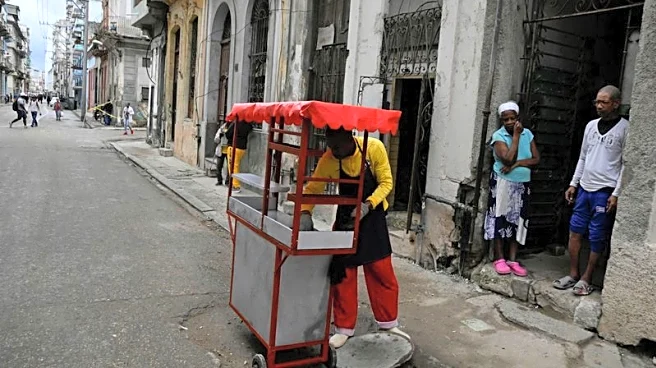
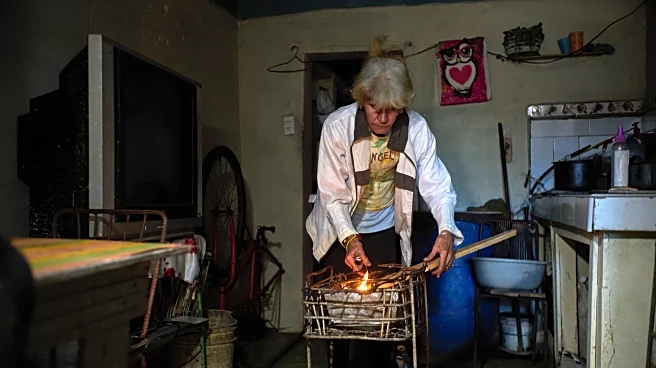
LATE,' without specifying the nature of the deal. Díaz-Canel emphasized that any progress in U.S.-Cuba relations must be grounded in international law, free from hostility, threats, and economic coercion. The Cuban leader reiterated his willingness to engage in dialogue based on sovereign equality and mutual respect. The backdrop to these developments includes a U.S. attack on Venezuela, which has disrupted Cuba's primary oil supply, exacerbating the island's economic crisis and fuel shortages.
Why It's Important?
The lack of dialogue between Cuba and the U.S. highlights ongoing tensions that could have significant implications for both nations. For Cuba, the cessation of Venezuelan oil supplies, a critical resource, threatens to deepen its economic crisis, already strained by U.S. sanctions and internal challenges. The situation could lead to increased hardships for the Cuban population, potentially sparking further migration to the U.S. For the U.S., maintaining pressure on Cuba aligns with broader geopolitical strategies in the region, particularly concerning Venezuela. However, the absence of diplomatic engagement could limit opportunities for resolving mutual concerns, such as migration and regional security.
What's Next?
While no immediate talks are planned, the situation remains fluid. Cuba may seek alternative oil sources to mitigate the impact of lost Venezuelan supplies. Meanwhile, the U.S. may continue to leverage economic pressure to influence Cuba's political landscape. Observers suggest that Cuba might eventually seek negotiations to ease sanctions, though this is not anticipated in the short term. The international community, including Mexico, has expressed willingness to facilitate dialogue, but any progress will depend on the willingness of both the U.S. and Cuba to engage constructively.