



What's Happening?
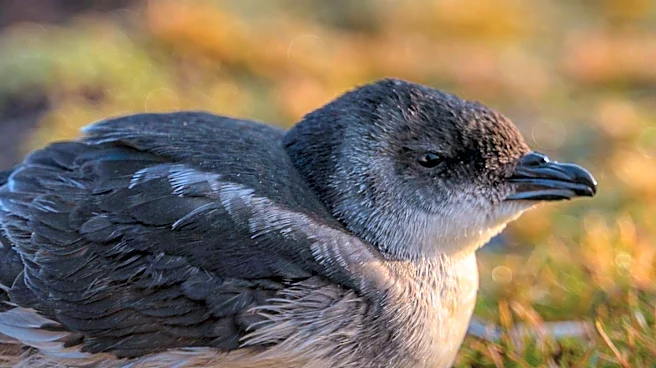
Victorian wildlife officers are undertaking an extensive vaccination program targeting over 5,000 little penguins in Phillip Island and St Kilda to protect them from the virulent H5N1 bird flu. This initiative is described by the state government as the world's
largest program to vaccinate wild birds. The decision follows the death of one little penguin on Phillip Island due to bird flu. Little penguins, the world's smallest penguin species, are particularly vulnerable due to their colonial living habits, which facilitate rapid virus transmission. The vaccination process is challenging as it requires capturing the birds twice for an initial dose and a booster shot, similar to human vaccination protocols. However, their flightless nature and predictable return to burrows at night make them more accessible for this intervention. The federal government has authorized the use of H5N1 vaccines for priority native bird species, and while the inactivated viral vaccine had not been tested on native birds or little penguins until recently, it is now being deployed.
Why It's Important?
This unprecedented vaccination effort highlights the severe threat posed by H5N1 bird flu to wildlife populations, particularly in densely populated colonies. The program's scale underscores a proactive approach to wildlife conservation in the face of emerging infectious diseases. The success of this initiative could set a precedent for future wildlife disease management strategies globally, especially for species that are flightless or live in accessible colonies. The little penguins are already facing numerous pressures, including invasive predators, artificial light, roads, overfishing, and climate change, which further exacerbate their vulnerability. Protecting these birds is crucial not only for biodiversity but also for the tourism industry, as the Phillip Island 'penguin parade' attracts over 700,000 visitors annually. The program also demonstrates the adaptability of veterinary science in applying human vaccine principles to wildlife, emphasizing the importance of booster shots for effective immunity.
What's Next?
The immediate next steps involve the continued capture and vaccination of the remaining little penguins, ensuring they receive both the initial dose and the necessary booster shot within the recommended timeframe. Monitoring the vaccinated penguins for immune response and any potential side effects will be critical to assess the program's effectiveness. Wildlife authorities will also need to track the spread of H5N1 bird flu within the colonies and surrounding areas to determine if the vaccination efforts are successfully curbing the outbreak. Furthermore, the program's outcomes will likely inform future strategies for managing bird flu in other vulnerable bird populations, both in Australia and internationally. The ongoing evolution of the bird flu virus means that new vaccines may be required in the future, necessitating continuous research and development in avian immunology.
Beyond the Headlines
This vaccination program extends beyond immediate disease control, touching upon broader themes of ecological resilience and human-wildlife interaction. The initiative underscores the increasing need for human intervention to protect wildlife populations from global threats like pandemics and climate change. It raises ethical considerations regarding the extent of human responsibility in managing wild animal health and the potential long-term impacts of such interventions on natural ecosystems. The program also highlights the scientific challenges of vaccinating wild animals, including the logistics of capture, dosage, and monitoring, and the need for species-specific vaccine testing. The ongoing threat of bird flu, exacerbated by climate change, suggests a future where such large-scale wildlife health interventions may become more common, prompting a re-evaluation of conservation strategies to include proactive disease management as a core component.