
What's Happening?
Workers at the Louvre Museum in Paris have voted to go on strike, citing deteriorating work conditions, increased ticket prices for non-European visitors, and significant security concerns. This decision
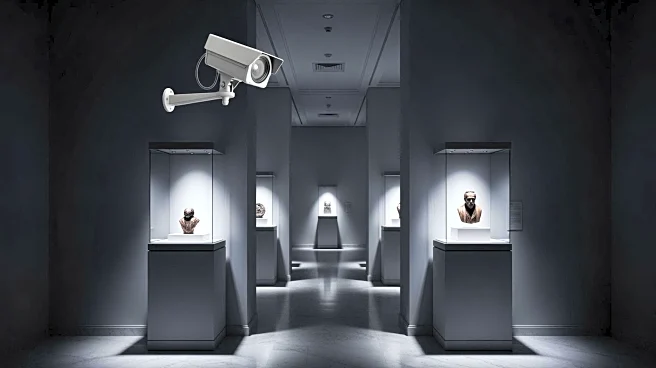
follows a high-profile theft in October, where thieves stole France's Crown Jewels valued at $102 million. The unions representing the workers, including CGT, CFDT, and Sud, have expressed that the museum is in a state of crisis, with inadequate resources and worsening conditions. The theft, which took place in broad daylight, highlighted severe security lapses, as the robbers managed to escape with the jewels in under eight minutes. The museum's director admitted to a 'terrible failure' in security. Additionally, the museum has faced other issues, such as a water leak damaging historical documents and structural concerns leading to temporary closures of some areas.
Why It's Important?
The strike at one of the world's most famous museums underscores significant challenges in maintaining security and infrastructure in cultural institutions. The Louvre, a major tourist attraction, plays a crucial role in France's cultural and economic landscape. The strike could lead to temporary closures, affecting tourism and the museum's revenue. The security lapses raise questions about the protection of invaluable cultural artifacts, which could have broader implications for museums worldwide. The workers' demands for improved conditions and security measures highlight the need for investment in cultural heritage preservation, which is vital for safeguarding history and supporting the tourism industry.
What's Next?
The planned strike is set to begin next Monday, with the potential to disrupt operations at the Louvre. The unions are calling for immediate action from France's culture ministry to address their concerns. If the strike proceeds, it could force the museum to close temporarily, impacting visitors and potentially prompting government intervention. The museum may need to reassess its security protocols and infrastructure investments to prevent future incidents and ensure the safety of its collections and staff. The outcome of this strike could influence labor relations and security policies in other cultural institutions facing similar challenges.