







What's Happening?
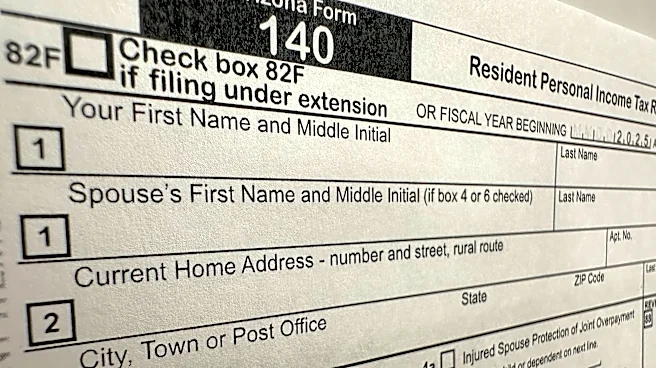
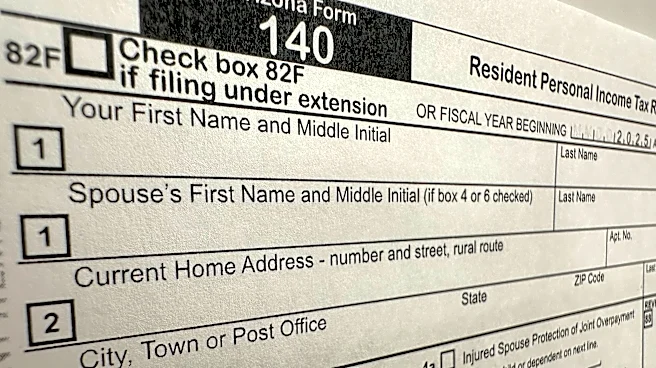
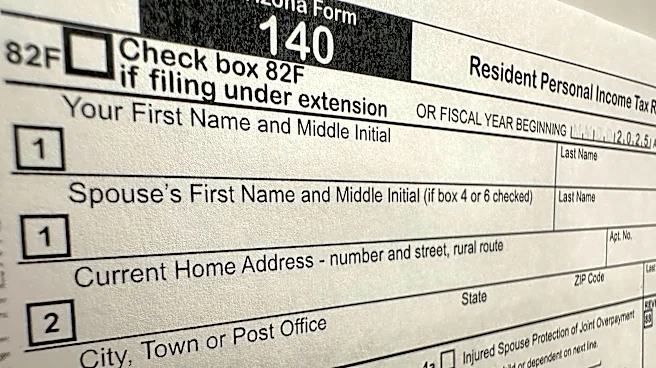
The IRS has announced that taxpayers who are unable to file their 2025 tax returns by the April 15 deadline can apply for a free extension. This extension allows an additional six months to complete and submit tax returns without incurring a penalty.
However, taxpayers must submit Form 4868 by the deadline to qualify. While the extension provides more time to file, it does not extend the deadline for tax payments. Taxpayers are required to pay at least 90% of their estimated tax liability by the original deadline to avoid interest and penalties. The IRS also highlights that certain groups, such as military personnel in combat zones and residents of federally declared disaster areas, automatically receive more time to file.
Why It's Important?
The ability to file for an extension is crucial for taxpayers who may be missing important documents or need more time to accurately complete their returns. This measure helps prevent the accumulation of penalties and interest for late filing. However, it is important for taxpayers to understand that while the filing deadline is extended, the payment deadline is not. Failure to pay the estimated taxes by the original deadline can result in financial penalties. This policy impacts a wide range of taxpayers, including those with complex tax situations or those experiencing financial difficulties, by providing them with a structured way to manage their tax obligations.
What's Next?
Taxpayers who file for an extension should aim to complete their returns well before the October 15 extended deadline to avoid any last-minute issues. The IRS encourages electronic filing and direct deposit to expedite the refund process. Taxpayers should also ensure they have paid the required estimated taxes to avoid penalties. For those who owe taxes, setting up a payment plan with the IRS can help manage financial obligations. The IRS continues to provide resources and assistance through its website and customer service to help taxpayers navigate the filing process.