




What's Happening?
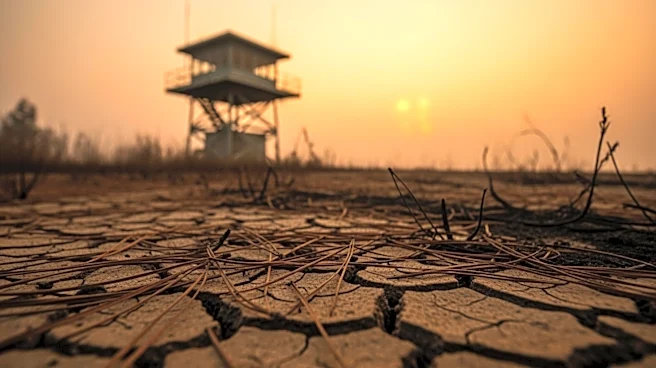
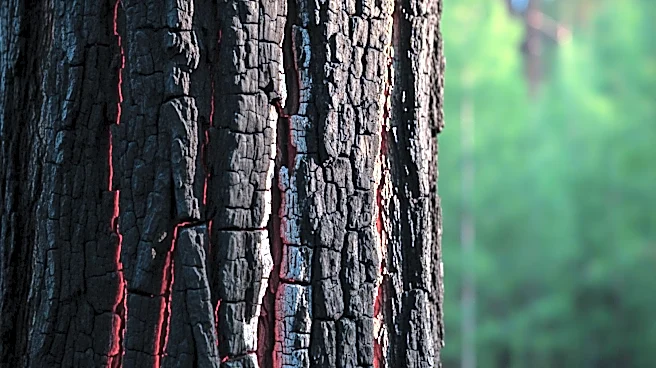
A recent study has highlighted a paradox in global wildfire trends, revealing that while the total area burned by wildfires globally has decreased, the impact on wealthier regions has intensified. In 2025, catastrophic wildfires ravaged parts of California,
Canada, Europe, and South Korea, causing significant loss of life, property, and infrastructure. The study notes that although only 335 million hectares were burned, the second-lowest since 2002, the fires in these affluent areas were particularly destructive. Factors such as high winds, dry vegetation, and adverse weather conditions, exacerbated by climate change, have increased the risk of fires spreading rapidly in densely populated regions. The study also points out that changes in land use, such as the expansion of African farms, have contributed to the reduction in global burned areas by fragmenting landscapes and preventing large savannah fires.
Why It's Important?
The findings underscore a growing disconnect between the total area burned by wildfires and their real-world impacts, particularly in wealthier regions. This trend poses significant challenges for public safety, insurance industries, and urban planning. The increased frequency and intensity of wildfires in affluent areas lead to higher insured losses, with fires accounting for over 38% of weather-related insurance claims in 2025. The study highlights the urgent need for enhanced fire management strategies and policies that address the vulnerabilities of urban areas at the wildland-urban interface. Additionally, the health implications of wildfire smoke, which has been linked to thousands of deaths, emphasize the broader environmental and public health challenges posed by these fires.
What's Next?
As climate change continues to create conditions conducive to wildfires, there is a pressing need for comprehensive strategies to mitigate their impact. This includes improving the resilience of landscapes and communities to withstand extreme fire events. Policymakers and urban planners may need to consider new approaches to land use and building codes to reduce fire risks. Furthermore, international cooperation and research into fire management practices could play a crucial role in addressing the challenges posed by increasingly severe wildfires. The study suggests that without significant intervention, the frequency and severity of wildfires in wealthier regions are likely to increase, posing ongoing risks to life, property, and the environment.
Beyond the Headlines
The study's findings also raise ethical and social questions about resource allocation and disaster preparedness in different regions. The disproportionate impact of wildfires on wealthier areas may prompt discussions about equity in disaster response and recovery efforts. Additionally, the role of climate change in exacerbating wildfire conditions highlights the need for global action to address environmental sustainability and reduce carbon emissions. The study serves as a reminder of the interconnectedness of global environmental challenges and the importance of coordinated efforts to mitigate their impacts.