





What's Happening?
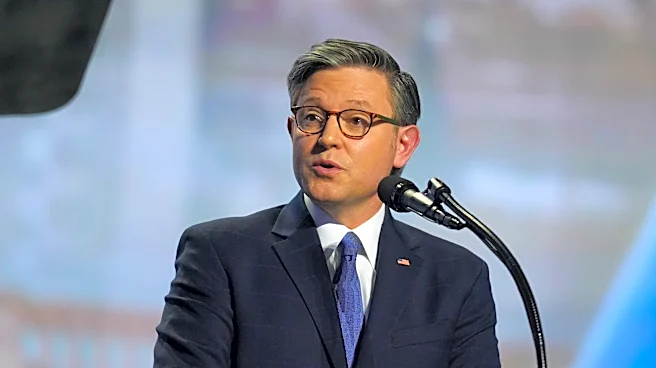
Washington is currently addressing growing concerns regarding Artificial Intelligence (AI) and data centers, as discussed by NPR’s Tamara Keith and Amy Walter of The Cook Political Report. President Trump has expressed disinterest in increased AI regulation,
while House Speaker Mike Johnson suggests tech companies should lead the way. This issue has created unusual alliances, with figures like Steve Bannon and Bernie Sanders finding common ground. Despite Congress being back in session, significant AI legislation is unlikely before the midterms. The debate extends to the impact of data centers on local communities, particularly concerning electricity costs. Voters are primarily focused on affordability, and candidates are leveraging data center issues in their campaigns, either promising regulation to lower electricity bills or blaming opponents for high costs due to data center approvals and tax breaks. The broader implications of AI, such as job displacement, are not yet central to midterm campaign discussions but are expected to become a major topic in the presidential race.
Why It's Important?
The ongoing discussion in Washington about AI and data centers is critical because it touches upon economic stability, technological advancement, and public policy. The reluctance to regulate AI, despite bipartisan concerns, could have long-term implications for the U.S.'s competitive edge and ethical development of technology. The focus on affordability in midterm elections, particularly concerning electricity bills linked to data centers, highlights how national technological trends directly impact local economies and household budgets. This issue creates a tangible connection for voters between policy decisions and their daily lives. The differing stances of political figures, from President Trump's anti-regulation stance to candidates campaigning on controlling energy costs, underscore the complex political landscape surrounding emerging technologies. The potential for AI to become a dominant issue in future presidential elections signifies a growing awareness of its transformative power and potential societal challenges.
What's Next?
As the midterm elections approach, it is unlikely that any significant AI legislation will be passed. The focus will remain on how candidates address the immediate economic concerns of voters, particularly regarding the cost of living and the impact of data centers on local utility rates. The debate around AI and its broader implications, such as job displacement and ethical considerations, is expected to gain more prominence in the upcoming presidential election cycle. Political leaders and tech companies will likely continue to engage in discussions, but concrete regulatory frameworks may take time to materialize. The outcomes of the midterm elections could also shift the political dynamics, influencing future approaches to technology policy. Stakeholders, including tech industry leaders, consumer advocacy groups, and local communities, will continue to monitor developments and advocate for their respective interests.
Beyond the Headlines
The AI and data center debate reveals deeper societal tensions between technological progress and its human cost. The 'affordability election' narrative suggests a public increasingly wary of economic policies that do not directly benefit them, even if they promise long-term growth. The unusual alliances forming around AI regulation, such as Steve Bannon and Bernie Sanders, indicate that the issue transcends traditional political divides, touching on fundamental questions about control, labor, and the future of work. The normalization of political corruption, as noted by Amy Walter, further complicates public trust in institutions tasked with regulating these powerful technologies. This environment of cynicism means that voters are less likely to accept assurances from political or corporate leaders without clear, demonstrable benefits to their daily lives. The challenge for policymakers is to navigate these complex issues in a way that fosters innovation while addressing legitimate public concerns and maintaining democratic accountability.