







What's Happening?
A conservation group has filed a lawsuit against the U.S. Fish and Wildlife Service (USFWS) for allegedly failing to make a timely decision on whether to list the rare Amargosa toad and Oasis Valley speckled dace as endangered or threatened species. The
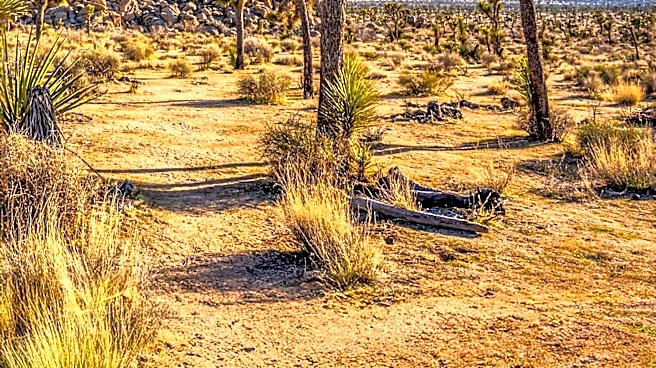
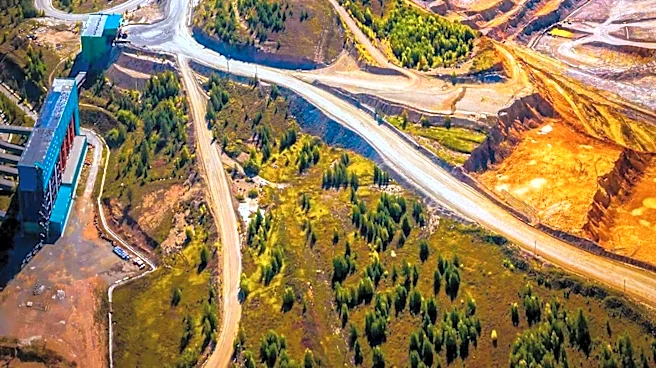
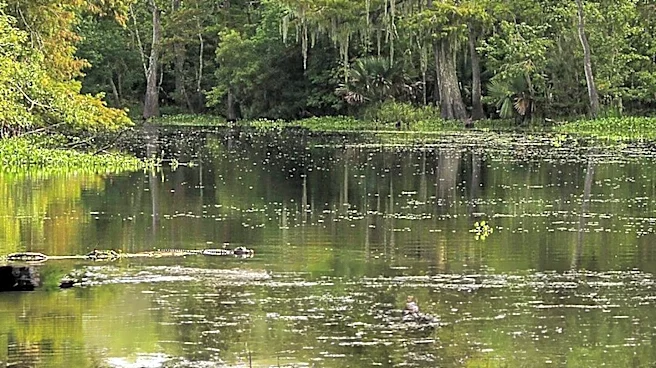
Center for Biological Diversity claims the USFWS violated the Endangered Species Act by missing the legally required deadline to issue a final decision, despite a previous review finding substantial evidence that both species might be eligible for listing. Both species are found in spring-fed habitats along the Amargosa River in Nevada and are threatened by groundwater pumping from proposed gold mining operations, including six projects by British multinational miner AngloGold Ashanti.
Why It's Important?
This lawsuit is critically important for environmental conservation and the enforcement of the Endangered Species Act (ESA) in the U.S. It highlights the legal obligation of federal agencies to protect vulnerable species and the role of conservation groups in holding them accountable. The potential listing of these species as endangered or threatened would trigger significant protections, impacting development projects, particularly the proposed gold mining operations in the Amargosa Valley. For the mining industry, this case represents a potential hurdle to their operations, as ESA protections could impose restrictions on water usage and land disturbance. For environmental advocates, a favorable ruling would reinforce the strength of the ESA and its ability to safeguard biodiversity against industrial expansion, setting a precedent for similar conflicts between development and conservation.
Beyond the Headlines
This case delves into the broader conflict between economic development and environmental preservation, particularly in resource-rich but ecologically sensitive regions. The Amargosa toad and Oasis Valley speckled dace serve as indicator species for the health of the Amargosa River ecosystem, a 'crown jewel of the Mojave Desert.' The lawsuit underscores the long-term consequences of groundwater depletion, not just for these specific species but for the entire regional hydrology and biodiversity. It also raises ethical questions about the trade-offs between extracting valuable minerals and protecting unique natural heritage. The outcome could influence future land-use planning, water management policies, and the balance between industrial interests and ecological sustainability in arid regions across the American West.