




What's Happening?
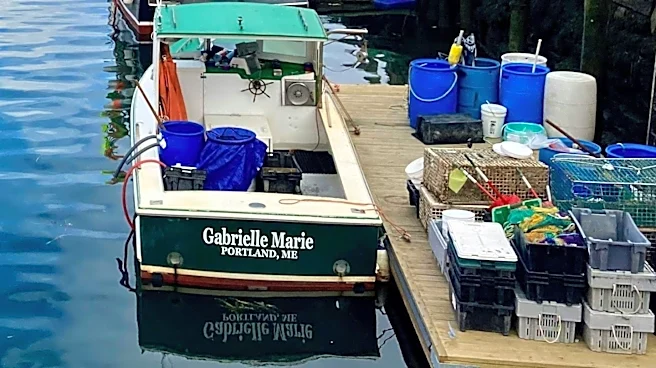
Nearly three years after devastating January 2024 storms ravaged Maine's coast, the state's working waterfront continues to grapple with their lingering effects. This was the central theme of the first-ever Maine Working Waterfront Conference held in Bar
Harbor. Coastal community groups gathered to discuss the ongoing impacts of storm damage and pre-existing challenges facing the seafood industry. Amity Chipman, co-owner of Chipman's Wharf seafood market in Milbridge, recounted the complete destruction of their wharf during the storms, which brought nearly 60 mph winds and severe flooding. Despite having insurance, their policy did not cover wind events, leaving them uncompensated. They eventually secured a matching grant from the Working Waterfront Resiliency Grant Program, launched in spring 2025, which was crucial for rebuilding. However, reconstruction has been slow and costly, with over $50,000 spent on permits alone and rising material prices exacerbating the financial strain. Other towns, like Milbridge and Jonesport, also experienced significant damage to public infrastructure, with some still awaiting federal funding from FEMA.
Why It's Important?
The ongoing struggles of Maine's working waterfront highlight the significant economic and social vulnerabilities of coastal communities to extreme weather events and the complexities of recovery. The reliance on programs like the Working Waterfront Resiliency Grant Program underscores the critical need for targeted government support in rebuilding essential infrastructure. The financial burden of permits and rising material costs, even with grant assistance, indicates systemic challenges in making coastal communities resilient. Furthermore, the conference brought to light broader pressures on Maine's working waterfront, including real estate development for high-end homes and the hospitality industry, which drives up property values and makes living unaffordable for local workers. This trend impacts the availability of labor for essential industries like fishing, as younger generations question the viability of a career in the sector. The interconnectedness of infrastructure, housing, and labor supply means that damage to one area can have cascading effects on the entire coastal economy and community fabric.
What's Next?
The discussions at the Maine Working Waterfront Conference are expected to inform future policy and funding initiatives aimed at strengthening coastal resilience. Continued advocacy for streamlined permitting processes and financial aid for storm-damaged infrastructure will likely be a focus for affected communities and industry groups. The challenges in attracting and retaining younger generations in the fishing industry, exacerbated by housing affordability issues, suggest a need for comprehensive strategies that address both economic and social factors. Stakeholders will likely continue to explore public-private partnerships and innovative funding mechanisms to support rebuilding efforts and long-term sustainability. The experience with FEMA's slow process indicates a need for more efficient and responsive federal assistance mechanisms for disaster recovery in coastal regions.
Beyond the Headlines
Beyond the immediate economic and infrastructural concerns, the situation in Maine's working waterfront points to deeper ethical and cultural implications. The loss of wharves and fishing infrastructure represents not just financial setbacks but also the erosion of a way of life and cultural heritage deeply tied to the sea. The pressure from high-end real estate development raises questions about equitable access to coastal areas and the preservation of traditional industries against gentrification. The community's rallying around affected businesses, as seen with Chipman's Wharf, demonstrates the strong social capital within these communities, which can be a vital, though often unquantified, resource in times of crisis. The long-term shift away from traditional coastal livelihoods due to economic pressures and climate change could lead to significant demographic and cultural transformations in these regions, impacting their unique identity and the broader U.S. seafood supply chain.