
What's Happening?
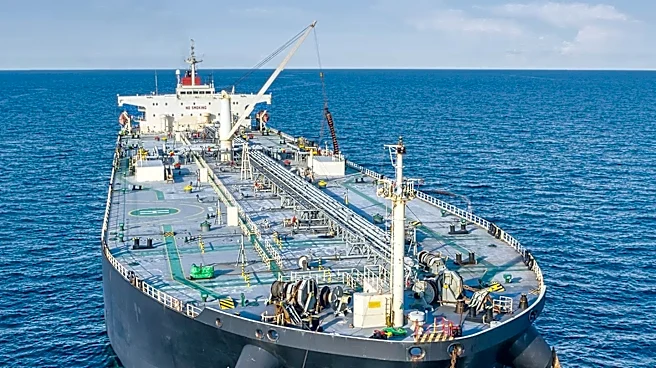
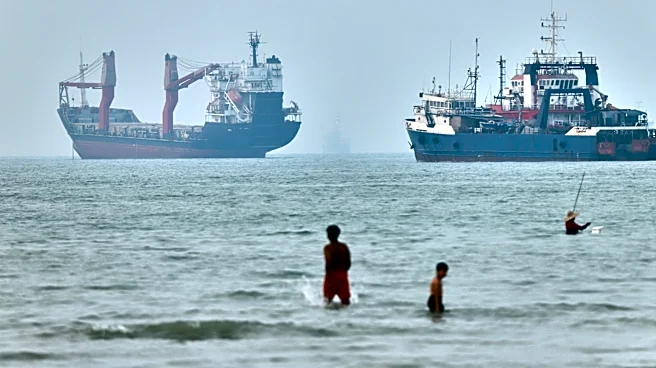
The closure of the Strait of Hormuz due to Iranian attacks on vessels has significantly disrupted the global liquefied petroleum gas (LPG) trade. The United States, which leads the world in LPG exports,
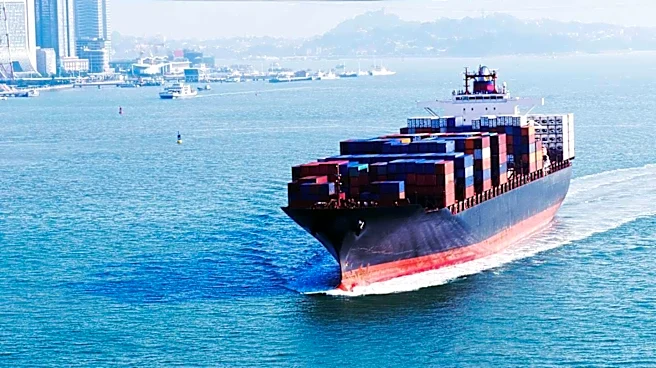
is now a critical player as Gulf countries like Saudi Arabia, the UAE, and Qatar face export challenges. The conflict has led to a drastic reduction in tanker traffic through the strait, causing propane prices to rise and highlighting the vulnerabilities of relying on a single chokepoint. The U.S. has become a major supplier, with private traders finding alternative routes to maintain supply chains.
Why It's Important?
The disruption in the Strait of Hormuz underscores the geopolitical risks associated with energy supply chains. The U.S.'s role as a leading LPG exporter is crucial in stabilizing global markets, especially as demand for cleaner fuels increases. This situation highlights the need for diversified supply routes and the importance of agile trading practices. The realignment of LPG logistics due to lower risks and insurance costs associated with U.S. exports could have long-term implications for global energy trade dynamics.
What's Next?
As the conflict continues, the global LPG market is expected to evolve, with the U.S. playing a more prominent role. Private traders and companies aligned with U.S. supply chains are likely to benefit from this shift. The situation may prompt further investments in alternative routes and infrastructure to mitigate the impact of geopolitical tensions on energy supplies.