




What's Happening?
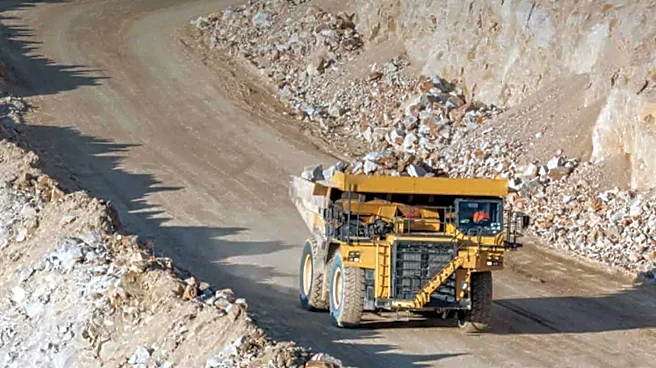
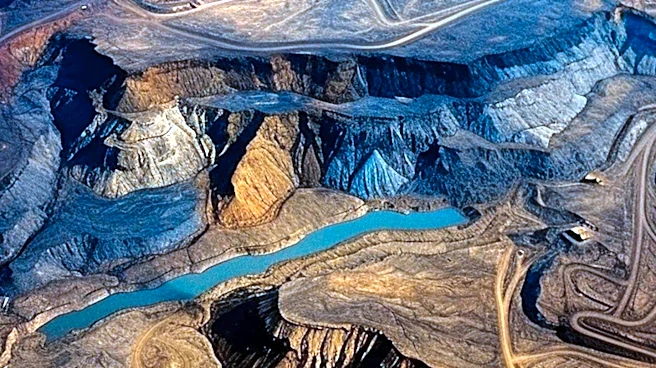
Newmont Corporation, in a joint venture with Imperial Metals, is proceeding with the expansion of the Red Chris mine in British Columbia, Canada, transitioning it from an open-pit to a block cave underground operation. This expansion, which received approval
from the British Columbia government on June 19 and Canadian government funding support on July 2, is projected to extend the mine's life by approximately 14 years and increase Canada's copper production by an estimated 15 percent. Newmont officials have stated that the project will create long-term value for shareholders, strengthen critical mineral supply chains, and benefit local communities, Indigenous partners, British Columbia, and Canada. However, this expansion is facing significant opposition from Alaskan tribes, particularly the Southeast Alaska Indigenous Transboundary Commission (SEITC), who fear severe environmental impacts on the transboundary watersheds, including the Unuk and Stikine rivers, which are crucial spawning grounds for salmon and other fish. The Tahltan Nation in British Columbia has signed on with the mine's owners and operators, supporting the project.
Why It's Important?
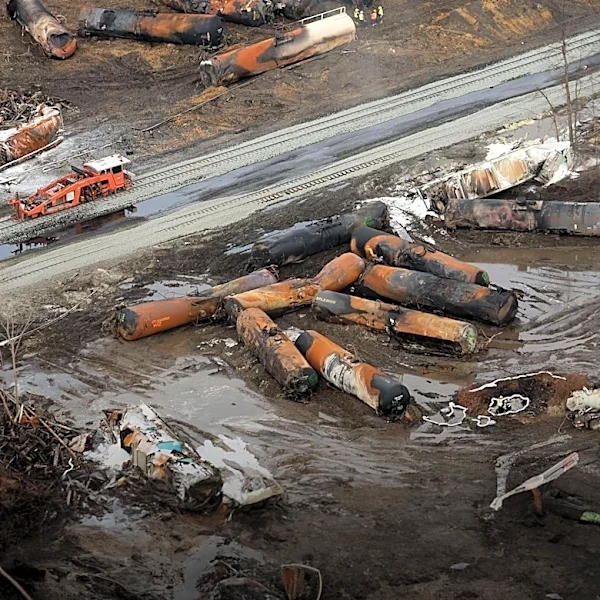
The Red Chris mine expansion highlights a growing international conflict between economic development and environmental protection, particularly concerning shared natural resources between the U.S. and Canada. For U.S. stakeholders, especially Alaskan Native communities, the project poses a direct threat to their traditional ways of life, which are deeply intertwined with the health of the transboundary rivers and their fish populations. The use of hydraulic fracturing (fracking) in the block cave mining process, coupled with existing concerns about tailings dam leaks, raises significant environmental risks, including potential water contamination that could affect downstream ecosystems in Alaska. The situation also underscores a perceived lack of consultation with U.S. tribes by Canadian authorities, despite the potential cross-border environmental consequences. This could set a precedent for future resource development projects near the U.S.-Canada border, potentially escalating diplomatic tensions and legal challenges regarding environmental assessments and Indigenous rights.
What's Next?
The SEITC has already filed a judicial review in the British Columbia supreme court to compel 'meaningful consultation' with Alaskan tribes on mining projects in the headwaters of the Unuk, Stikine, and Taku rivers. This legal action indicates a continued push for greater involvement and consideration of U.S. tribal concerns in Canadian mining decisions. Further legal challenges and advocacy efforts from environmental groups and Alaskan Native communities are anticipated. The Canadian government and British Columbia's Ministry of Environment and Parks will likely face ongoing pressure to address these environmental and consultation concerns. Newmont Corporation and Imperial Metals will proceed with the mine's transition, but they may encounter increased scrutiny and public opposition, potentially impacting their social license to operate. The outcome of these legal and advocacy efforts could influence future cross-border environmental regulations and the framework for Indigenous consultation in resource development projects.
Beyond the Headlines
This situation delves into complex ethical and legal dimensions surrounding transboundary resource management and Indigenous sovereignty. The provincial government of British Columbia has amended its Environmental Assessment Act to limit the participation of U.S. tribes, effectively excluding them as 'participating Indigenous nations.' This legislative change raises profound questions about the rights of Indigenous communities whose ancestral lands and resources span international borders, and whether their voices are adequately heard when decisions made in one country directly impact their livelihoods in another. The conflict also highlights the tension between economic benefits, such as job creation and critical mineral supply chain strengthening, and the long-term environmental and cultural costs. The potential for irreversible ecological damage to vital salmon habitats could lead to a significant loss of biodiversity and cultural heritage, impacting generations of Alaskan Native peoples. This case could become a critical test for international cooperation on environmental protection and Indigenous rights in the face of large-scale industrial development.