



What's Happening?
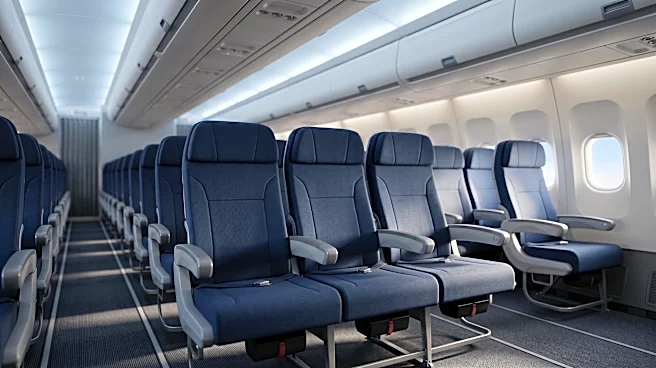
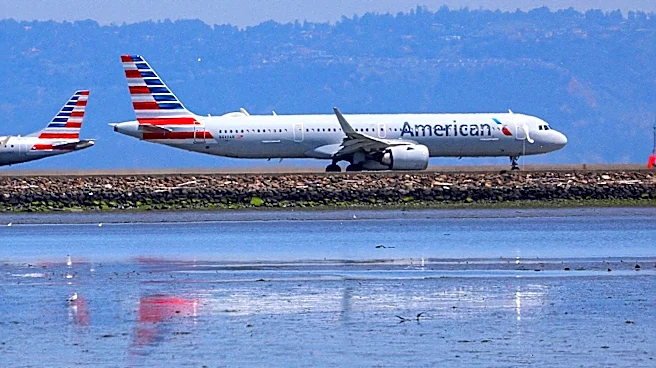
A 67-year-old Tucson resident, Layne Arthur Lundeen, was arrested after allegedly attacking a seatmate, biting rescuers, and hurling racial and homophobic slurs on an American Airlines flight from Dallas-Fort Worth to Newark. The incident, which occurred
about two hours into the flight, forced an emergency landing in Baltimore. Passengers Richard Olenick and retired police officer Juan Mejia intervened when Lundeen reportedly choked a fellow passenger and then hit a woman who tried to stop him. Olenick and Mejia restrained Lundeen using zip ties and duct tape provided by flight attendants. Maryland Transportation Authority Police arrested Lundeen upon landing. Following news of the arrest, Lundeen's employer, Long Realty, a Tucson real estate firm, immediately fired him, stating his actions were "wholly inconsistent with the professionalism, integrity, compassion, and respect for others" expected from their team. American Airlines commended the crew and passengers for their swift action, emphasizing their commitment to customer and team member safety and their zero-tolerance policy for violence.
Why It's Important?
This incident underscores the growing issue of unruly passenger behavior on commercial flights, which has been a significant concern for airlines and federal authorities, particularly since the COVID-19 pandemic. The swift and decisive action taken by fellow passengers and flight attendants highlights the critical role individuals play in maintaining safety and order in confined spaces like aircraft. For the airline industry, such events can lead to operational disruptions, increased security measures, and potential reputational damage. The immediate termination of Lundeen by his employer sends a strong message about corporate accountability and the expectation of professional conduct, even outside of work hours, especially when actions become public and egregious. The involvement of the FBI to determine potential federal charges alongside state offenses indicates the serious legal ramifications for individuals who engage in such disruptive and violent behavior during air travel, reinforcing the federal government's commitment to aviation security.
What's Next?
The FBI is currently interviewing witnesses to determine whether federal charges will be filed against Layne Arthur Lundeen, in addition to any state offenses he may face following his arrest by Maryland Transportation Authority Police. This investigation will dictate the scope and severity of the legal consequences for Lundeen. American Airlines is likely to continue its internal review of the incident, which may lead to further enhancements in crew training for handling unruly passengers and potentially stricter enforcement of its zero-tolerance policy. The incident could also prompt broader discussions within the airline industry and among regulatory bodies regarding preventative measures, passenger screening, and the legal framework for addressing such behavior. For Long Realty, the public statement and immediate termination of Lundeen aim to mitigate any negative impact on their brand and reinforce their corporate values. The outcome of the legal proceedings will set a precedent for how similar incidents are handled in the future.
Beyond the Headlines
This event transcends a simple act of violence on a plane, touching upon deeper societal issues such as mental health, the impact of stress on public behavior, and the boundaries of personal conduct in shared public spaces. The alleged use of racial and homophobic slurs by Lundeen adds a layer of hate-motivated behavior, which can have broader implications for social cohesion and tolerance. The willingness of ordinary citizens, like Richard Olenick and Juan Mejia, to intervene in a dangerous situation highlights themes of civic responsibility and heroism, particularly in an environment where retreat is not an option. The incident also brings into focus the challenges faced by flight attendants, who are often on the front lines of managing difficult passengers, and the need for adequate training and support for these essential workers. The public's reaction and the employer's swift action reflect a societal expectation for accountability and a low tolerance for aggressive and discriminatory behavior, especially in professional contexts.