






What's Happening?
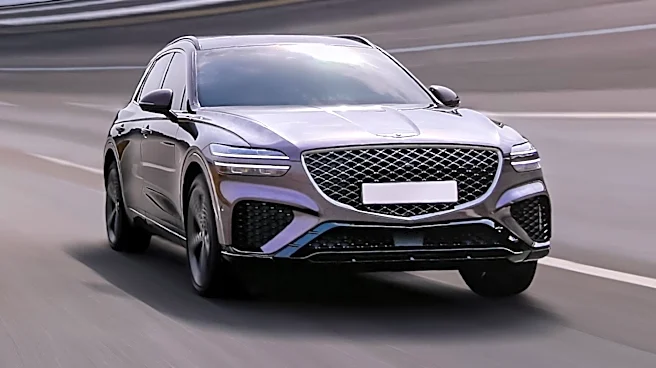
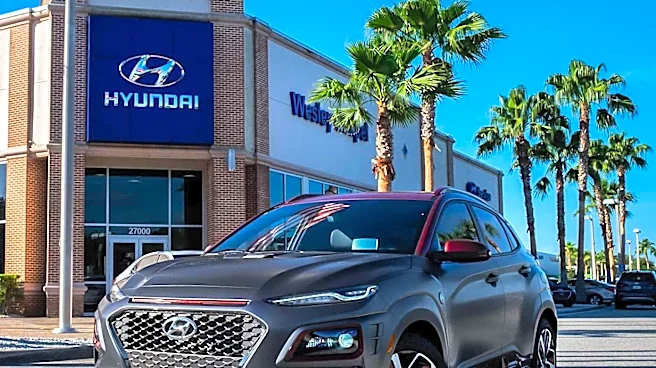
Kia and Hyundai vehicles manufactured between 2011 and 2022 are frequently targeted by thieves due to a design flaw: the absence of engine immobilizers. This vulnerability allows these cars to be stolen without a proper key, a method popularized by a viral
TikTok trend demonstrating how to start them using simple tools like a USB cable and a screwdriver. This issue has propelled Kia and Hyundai models to the top of the list for most stolen cars in America, according to Auto Blog. Automakers have responded by offering free fixes, including steering wheel locks or software upgrades, but an estimated 4.9 million vehicles across the U.S. still require these security enhancements. California is particularly affected, with 506,000 vulnerable Kia and Hyundai vehicles on its roads, making it the state with the highest number of at-risk cars. Manhattan Beach police have recently reported an uptick in thefts of these brands, prompting them to advise drivers on preventative measures.
Why It's Important?
The widespread vulnerability of Kia and Hyundai vehicles has significant implications for vehicle owners, insurance companies, and law enforcement across the U.S. Owners face increased risks of theft, financial losses, and inconvenience, even with the availability of free fixes, as many vehicles remain unprotected. Insurance premiums for these models could rise, impacting affordability for consumers. For law enforcement, the ease of theft contributes to higher crime rates and strains resources, as evidenced by the warnings issued by the Manhattan Beach Police Department. The situation also highlights a broader issue of automotive security standards and the potential for social media trends to exacerbate existing vulnerabilities. The class-action settlement of $9 million for victims of the trend underscores the financial and legal ramifications for the automakers, reflecting the scale of the problem and the need for comprehensive solutions.
What's Next?
Kia and Hyundai owners of affected models are encouraged to utilize the free fixes offered by the automakers, which include steering wheel locks or software upgrades. The companies estimate that over 4.9 million vehicles nationwide still need these fixes. Drivers have until March 31, 2027, to submit claims for reimbursement as part of a $9 million class-action settlement. Eligibility for this settlement can be verified by entering a vehicle's VIN on the settlement website. Law enforcement agencies, such as the Manhattan Beach Police Department, will likely continue to advise drivers on additional preventative measures, including using aftermarket alarms or immobilizers, installing GPS trackers, and keeping vehicle software updated. The ongoing efforts will focus on increasing the adoption of these security measures to mitigate the theft risk for the remaining vulnerable vehicles.
Beyond the Headlines
The Kia and Hyundai theft crisis extends beyond immediate vehicle security concerns, touching upon consumer trust, corporate responsibility, and the influence of digital platforms. The viral TikTok trend that exposed and amplified the vulnerability demonstrates how social media can inadvertently contribute to real-world crime waves, posing new challenges for public safety and corporate responses. This incident also raises questions about the adequacy of automotive security features in certain models and the regulatory frameworks governing them. The class-action lawsuit and subsequent settlement highlight the legal and ethical obligations of manufacturers to ensure product safety and address design flaws that lead to consumer harm. Ultimately, this situation could prompt a reevaluation of standard security features in entry-level vehicles and influence future automotive design and manufacturing practices to prevent similar widespread vulnerabilities.