







What's Happening?
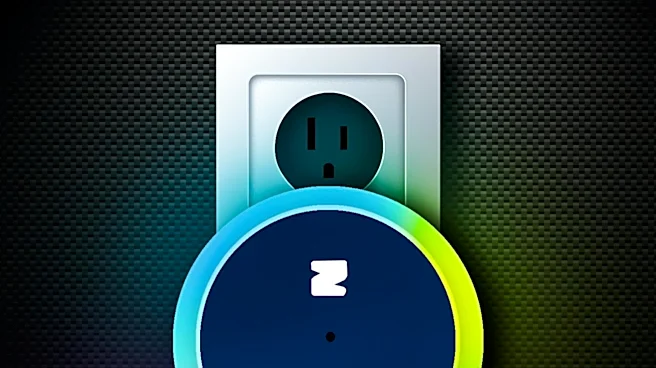
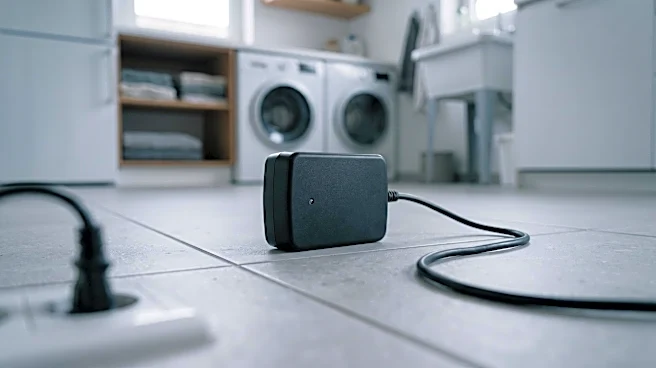
Grand Valley Rural Power Lines, Inc. is cautioning consumers about fraudulent 'energy saver' devices marketed to reduce electricity bills. These devices, often sold online under names like 'power optimizers' or 'voltage regulators,' claim to slash electricity costs
by addressing 'dirty electricity' or 'reactive power.' However, according to Walter Fees, Manager of Engineering at Grand Valley Rural Power Lines, Inc., home electric meters only measure 'active power' (kilowatts and kilowatt-hours), which is what consumers are billed for, not 'reactive power.' Experts advise skepticism towards products promising significant savings without clear explanations of how these savings are achieved. A YouTube video investigating one such device revealed it contained only basic components like a capacitor and surge protector, with no actual power measurement or control capabilities. The Federal Trade Commission (FTC) has previously warned that energy-saving claims must be substantiated by reliable evidence.
Why It's Important?
The proliferation of these deceptive 'dirty power' devices poses a significant financial risk to U.S. consumers seeking to lower their utility expenses. Instead of investing in legitimate energy-efficient home improvements such as insulation, double-pane windows, or ENERGY STAR certified appliances, individuals may waste money on ineffective products. This misdirection of funds not only fails to deliver promised savings but also diverts attention and resources from proven methods of energy conservation. The scam undermines consumer trust in energy-saving solutions and makes it harder for reputable companies offering genuine energy efficiency products to gain traction. The FTC's involvement highlights the widespread nature of these fraudulent claims and the need for consumer vigilance in a market increasingly saturated with unverified products.
What's Next?
Consumers are advised to exercise caution and conduct thorough research before purchasing any energy-saving devices. Recommendations include researching companies, comparing claims with information from trusted energy organizations, and being wary of advertisements promising extraordinary savings. It is also crucial to avoid signing contracts under pressure and to verify any claims about government rebates or utility programs directly with the relevant agencies or utility providers. The ongoing presence of these scams suggests a continuous need for consumer education and awareness campaigns from utility companies and consumer protection agencies to help individuals distinguish between legitimate energy solutions and fraudulent schemes. The internet's role in facilitating the sale of these devices means that vigilance in online shopping will remain critical.
Beyond the Headlines
The 'dirty power' device scam highlights a broader issue of consumer vulnerability to misleading marketing, particularly in areas where technical jargon can be used to obscure a product's ineffectiveness. The use of terms like 'power factor' and 'frequency' lends a false sense of scientific credibility to these devices, exploiting a general lack of public understanding of electrical engineering principles. This situation underscores the ethical responsibility of online platforms to monitor and regulate misleading advertisements. Furthermore, it points to the psychological appeal of quick, inexpensive fixes for complex problems like high energy bills, often overshadowing the long-term benefits of more substantial, albeit costlier, investments in energy efficiency. The scam also reflects a societal desire for greater control over household expenses and environmental impact, which fraudsters are quick to exploit.