







What's Happening?
Following the disappearance of Nancy Guthrie and the subsequent release of doorbell camera footage by the FBI, there has been increased public interest in how doorbell cameras store video recordings. Consumer Reports has investigated the storage options
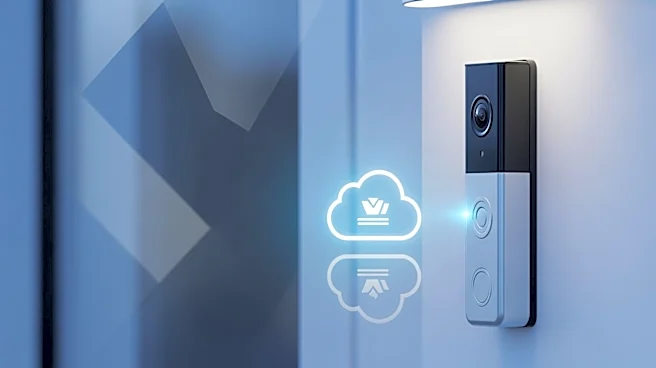
available for these devices, highlighting the differences between cloud-based and local storage. Most doorbell cameras send footage to cloud servers, often requiring a subscription for access. However, some consumers prefer local storage for greater privacy and control, using microSD cards or separate hubs to store footage. The report emphasizes the importance of understanding storage options and access rights before purchasing a doorbell camera.
Why It's Important?
The choice between cloud and local storage for doorbell cameras has significant implications for privacy and security. Cloud storage offers convenience and additional features but may expose users to privacy risks, as footage is stored on external servers. Local storage, while potentially more secure, requires users to manage their own data and may limit access to certain features. This issue is particularly relevant as smart home devices become more prevalent, raising concerns about data privacy and the potential for unauthorized access by third parties, including law enforcement.
Beyond the Headlines
The debate over doorbell camera storage reflects broader concerns about digital privacy and the balance between convenience and security. As technology advances, consumers must navigate complex decisions about how their data is stored and who can access it. This situation also highlights the need for clear regulations and guidelines to protect consumer privacy while allowing for the effective use of technology in law enforcement and personal security. The ongoing discussion may influence future product designs and industry standards, as manufacturers respond to consumer demands for greater control over their data.