






What's Happening?
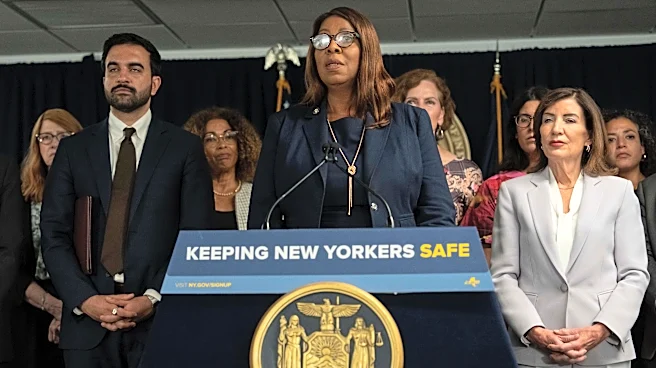
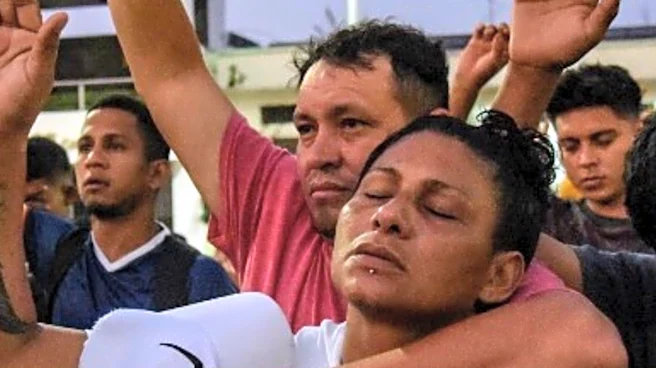
Governor Kathy Hochul of New York has announced a $7.25 million funding initiative to provide legal representation for approximately 1,400 unaccompanied migrant children facing deportation proceedings in the state. This decision comes in response to the lapse
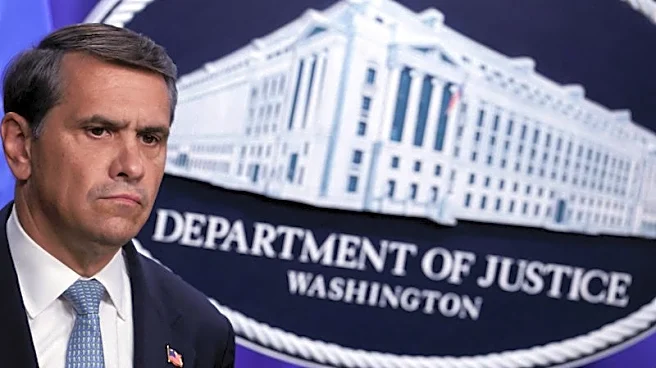
of a federal contract under the Trump administration, which previously supported a network of providers assisting migrant children nationwide. The funding aims to cover legal expenses for these children, including about 250 who are currently in detention. The Trafficking Victims Protection Reauthorization Act of 2008 mandates that the U.S. government provide legal representation for children in deportation proceedings. Governor Hochul, alongside Mayor Zohran Mamdani and State Attorney General Letitia James, emphasized the state's commitment to protecting these vulnerable children, criticizing federal policies that have left them at risk.
Why It's Important?
This funding initiative highlights the ongoing challenges and responsibilities faced by state governments in addressing immigration issues, particularly concerning unaccompanied minors. By stepping in to provide legal aid, New York is positioning itself as a defender of immigrant rights, potentially influencing other states to adopt similar measures. The move also underscores tensions between state and federal immigration policies, especially in light of recent federal actions that have tightened regulations on immigrant sponsors. The decision could have significant implications for the legal outcomes of these children, potentially affecting their ability to remain in the U.S. and avoid deportation.
What's Next?
As New York implements this funding, it may face both support and criticism from various stakeholders, including immigration advocates and opponents. The state's actions could prompt further discussions on the role of state versus federal government in immigration matters. Additionally, the upcoming re-election campaign for Governor Hochul may see immigration policy as a key issue, influencing voter sentiment and political strategies. Other states may observe New York's approach and consider similar initiatives, potentially leading to broader changes in how unaccompanied migrant children are supported across the country.