



What's Happening?
Crash databases from the United States Department of Transportation (USDOT) have been utilized to estimate the annual incidence of animal-related crashes, injuries, and fatalities across the nation. The findings indicate that these incidents account for
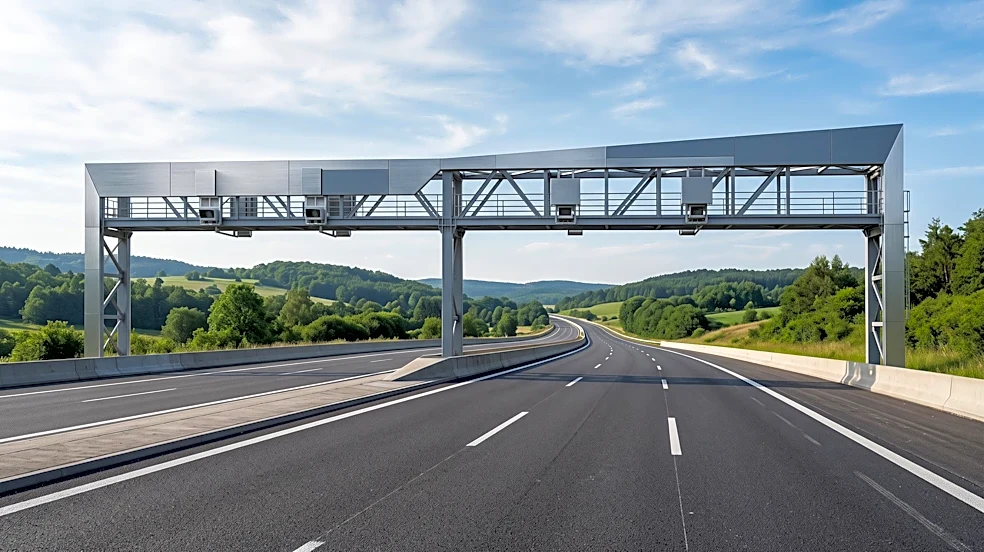
at least 353,800 police-reported crashes, 49,725 injuries, and 277 deaths each year. Researchers from the AAA Foundation for Traffic Safety, using data from North Carolina, Ohio, and Pennsylvania, delved deeper into the characteristics of these crashes. The study suggests that the actual numbers of non-fatal crashes and injuries are likely higher, as many such incidents may go unreported to law enforcement or transportation departments. Animal-related crashes are most prevalent in the Midwest and Northeast, with a peak in November. The majority of these incidents occur in rural areas, often at night, and on roads with speed limits of 45 miles per hour or higher.
Why It's Important?
The prevalence of animal-related crashes has significant implications for public safety and transportation policy in the U.S. The high number of reported incidents underscores a persistent hazard for motorists, leading to substantial injuries and fatalities. The study highlights that taking sudden evasive action to avoid an animal can often be more dangerous than striking it, as many fatal animal-related crashes involve secondary events like hitting a tree or another vehicle, or rolling over. This suggests a need for public awareness campaigns that educate drivers on appropriate responses to animal encounters, potentially reducing severe outcomes. Furthermore, the disproportionate impact on motorcyclists, who account for nearly half of all fatalities, points to a critical vulnerability for this group, necessitating targeted safety measures or warnings. The concentration of these crashes in rural, dark, and higher-speed environments also informs infrastructure planning and wildlife management strategies to mitigate risks.
What's Next?
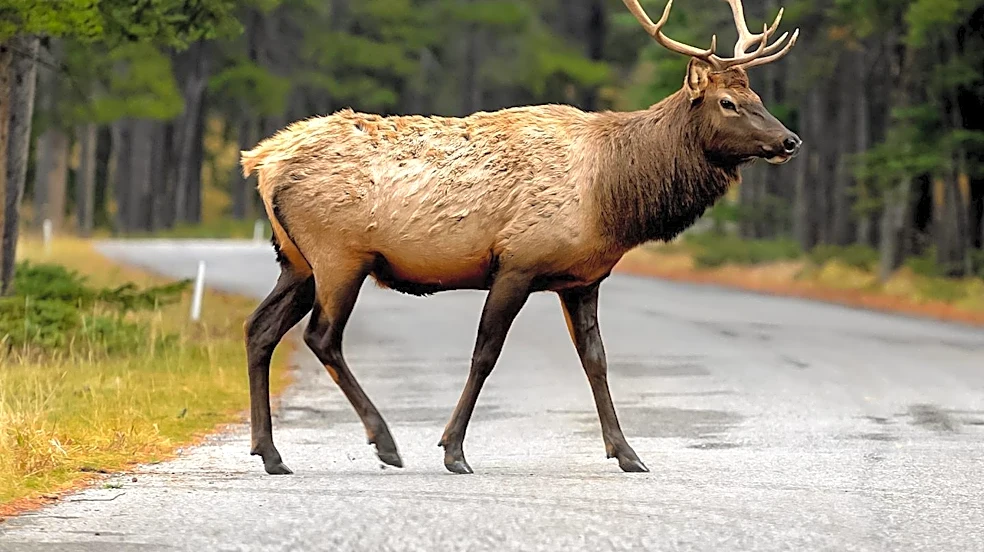
The insights from this USDOT data-driven study are likely to inform future traffic safety initiatives and public awareness campaigns. Transportation departments and safety organizations may use these findings to develop targeted educational materials for drivers, emphasizing safe speeds and cautious driving, especially in high-risk areas and during peak seasons like autumn. There could be increased focus on road design and wildlife crossings in rural areas to reduce animal-vehicle conflicts. For motorcyclists, specific safety advisories or training modules might be developed to address their heightened vulnerability. Further research may also be conducted to identify the specific types of animals involved in crashes, which could lead to more tailored prevention strategies, such as deer population management or signage in areas with larger wildlife like moose or elk. Policy discussions may also arise regarding reporting requirements for non-fatal animal-related crashes to ensure more comprehensive data collection.
Beyond the Headlines
Beyond the immediate safety concerns, the study's findings touch upon broader ecological and behavioral aspects. The high incidence of animal-related crashes reflects the increasing interface between human infrastructure and wildlife habitats. As urban and suburban areas expand, and natural habitats shrink, encounters between vehicles and animals are likely to continue, if not increase. This raises questions about sustainable land use planning and the need for integrated approaches that consider both human safety and wildlife conservation. The behavioral aspect of drivers, particularly the instinct to swerve, highlights a psychological challenge in risk assessment during sudden emergencies. Understanding and addressing this human factor through advanced driver assistance systems or specialized training could be a long-term goal. The economic impact, though not detailed in the source, would include vehicle damage, healthcare costs, and productivity losses, adding another layer of significance to these seemingly isolated incidents.