






What's Happening?
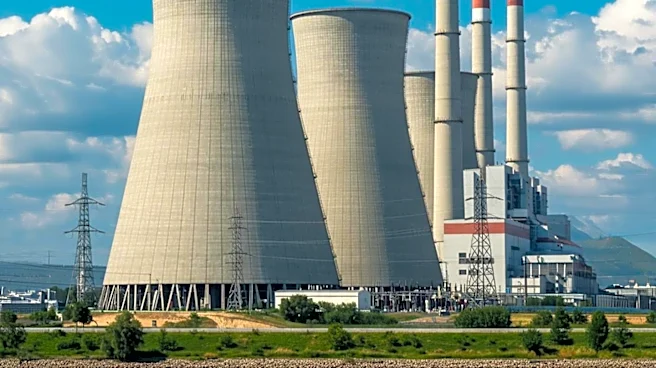
China has initiated the third phase of expansion at its Haiyang Nuclear Power Plant in Shandong Province, with construction beginning on its fifth reactor. This development, led by State Power Investment Corporation (SPIC), involves pouring the first
safety-related concrete for Haiyang Unit 5's nuclear island. The new reactors, Units 5 and 6, will utilize CAP1000 pressurized water reactor technology, which is China's domestically adapted version of the Westinghouse AP1000 Generation III reactor design. China Nuclear Industry 24 Construction Co. Ltd (CNNC 24) is responsible for the civil construction of the nuclear islands for this phase. Once all six reactors are operational, the Haiyang nuclear power base is projected to generate approximately 60.9 billion kWh annually, significantly increasing China's electricity supply and expanding its nuclear energy infrastructure. The project also aims to support nuclear-powered district heating, building on the existing program that has supplied Haiyang City since 2019.
Why It's Important?
This expansion is a significant step in China's strategy to enhance its nuclear power generation capacity and reduce reliance on fossil fuels. The projected annual generation of 60.9 billion kWh from all six reactors will contribute substantially to the national electricity grid, supporting industrial growth and urban development. The use of CAP1000 technology, a domestic adaptation of a Western design, highlights China's advancements in nuclear engineering and its pursuit of energy independence. Furthermore, the integration of nuclear-powered district heating demonstrates a multi-faceted approach to energy provision, addressing both electricity and heating demands. This move could set a precedent for other nations looking to diversify their energy portfolios and achieve environmental targets, potentially influencing global energy policy discussions and technological collaborations in the nuclear sector.
What's Next?
The immediate next steps for the Haiyang Nuclear Power Plant expansion include completing the nuclear island foundation for Unit 5, followed by the advancement of reactor building structures and the installation of major mechanical and electrical systems. Subsequently, contractors will proceed with equipment installation, pressure testing, system commissioning, fuel loading, and regulatory inspections before commercial operation begins. Regulatory approvals for Units 5 and 6 were granted by the State Council on April 27, 2025, and construction permits have been issued by the National Nuclear Safety Administration, ensuring adherence to strict safety regulations. The full commissioning of all six reactors is expected to further expand nuclear-powered heating services to surrounding communities, with the facility's heating capacity projected to exceed 150 million square meters after the third phase is completed.
Beyond the Headlines
The Haiyang Nuclear Power Plant expansion reflects a broader global trend towards increasing nuclear energy capacity as nations seek to meet growing energy demands and combat climate change. China's commitment to this large-scale project underscores the strategic importance of nuclear power in its long-term energy security and environmental goals. The project's emphasis on domestically adapted technology also highlights the ongoing competition and collaboration in the global nuclear industry, with implications for technology transfer and intellectual property. While the environmental benefits of reduced coal consumption and carbon emissions are projected, the long-term management of nuclear waste and the safety protocols for such large-scale operations remain critical considerations. The success of this project could influence other developing nations to invest in similar nuclear energy initiatives, potentially reshaping the global energy landscape.