



What's Happening?
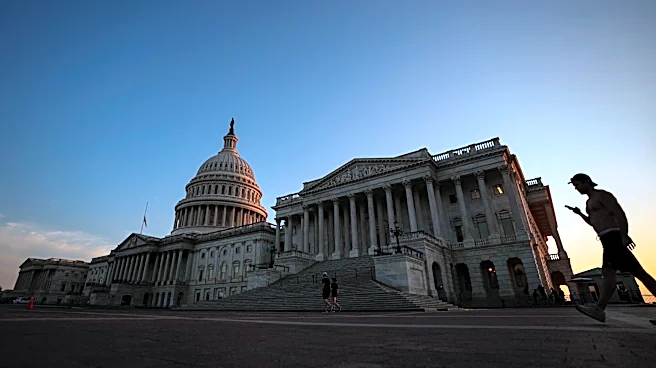
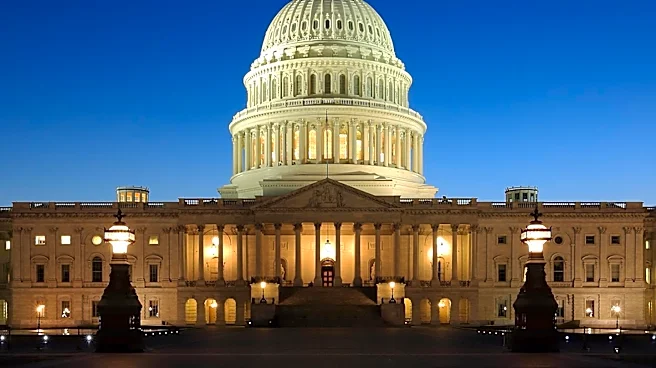
Representative Chuck Fleischmann, a Republican from Tennessee, is actively involved in bipartisan efforts to address the storage of spent nuclear fuel. He co-leads the Spent Nuclear Fuel Solutions Caucus with Democratic Representative Mike Levin. This
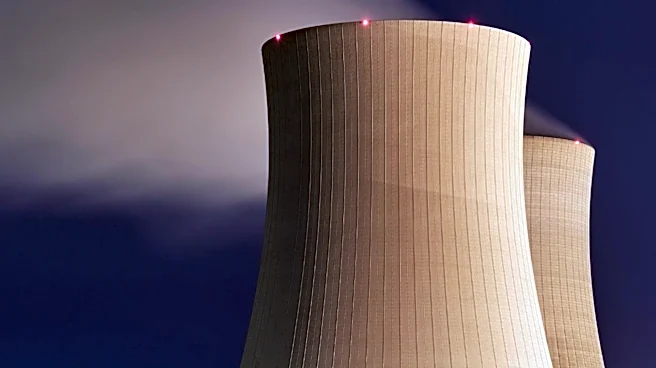
caucus focuses on developing a consent-based approach to finding communities willing to host nuclear waste storage facilities. The federal government has been exploring methods to create a system where states and communities voluntarily participate in the nuclear fuel cycle, rather than having storage sites imposed upon them. Representative Levin highlighted that approximately $150 million has been allocated during his tenure in Congress for spent nuclear fuel transportation, research, and related initiatives, including about $33 million for the Atlas rail system designed for spent fuel transport. Several states have reportedly expressed interest in engaging with efforts related to the nuclear fuel cycle, indicating a potential path forward for these initiatives.
Why It's Important?
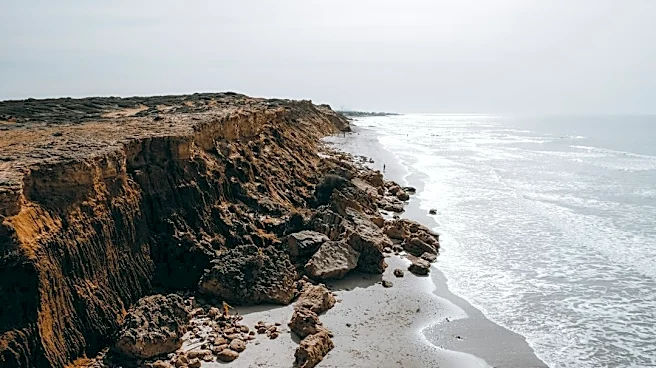
The bipartisan initiative co-led by Representative Fleischmann is crucial for national energy policy and environmental safety. The current approach to nuclear waste storage often faces significant local opposition, leading to prolonged impasses and safety concerns, particularly at sites like the decommissioned San Onofre Nuclear Generating Station, which is located near a large population, the coastline, and seismic hazards. A consent-based approach could foster greater community acceptance and facilitate the safe and efficient relocation of nuclear waste. This effort could also stimulate economic development in host communities through federal investments and job creation related to nuclear waste management and transportation infrastructure. The successful implementation of such a strategy would reduce environmental risks associated with long-term on-site storage and provide a more sustainable solution for the nation's growing inventory of spent nuclear fuel.
What's Next?
The ongoing efforts of the Spent Nuclear Fuel Solutions Caucus will likely continue to focus on engaging with potential host communities and advocating for federal funding to support consent-based siting initiatives. Further legislative action may be pursued to formalize the consent-based process and secure long-term financial commitments for transportation and storage infrastructure. As more states express interest, the federal government will need to develop clear guidelines and incentives for participation. The development and deployment of advanced transportation systems like the Atlas rail system will also be critical next steps. The ultimate goal is to establish a permanent or long-term storage solution that is both technically sound and socially acceptable, potentially prioritizing sites like San Onofre for waste removal once a national repository is established.
Beyond the Headlines
The push for a consent-based approach to nuclear waste storage reflects a broader shift in environmental and energy policy towards greater community involvement and shared responsibility. This model could serve as a precedent for other contentious infrastructure projects, emphasizing collaboration over imposition. Ethically, it addresses concerns about environmental justice by ensuring that communities have a voice in decisions that directly impact their health and safety. Legally, it aims to create a more robust framework for nuclear waste management that is less susceptible to legal challenges and political gridlock. Culturally, it signifies a move towards rebuilding trust between federal agencies and local populations, which has often been strained in past nuclear waste siting attempts. This long-term shift could lead to more sustainable and equitable solutions for complex national challenges.