


What's Happening?
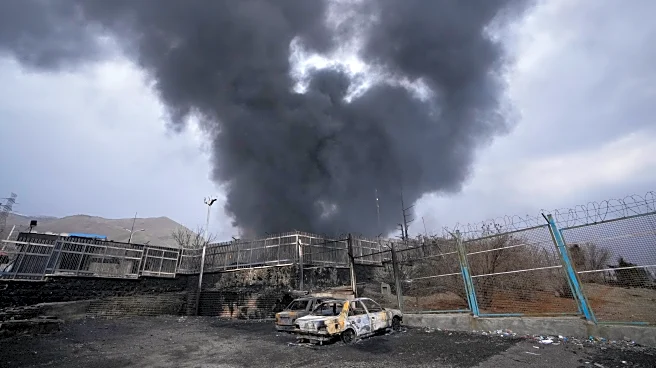
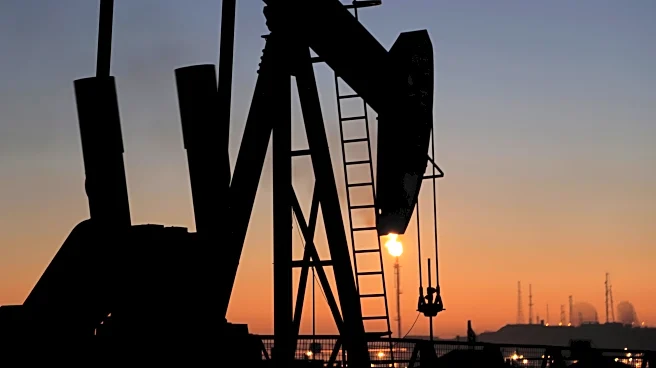
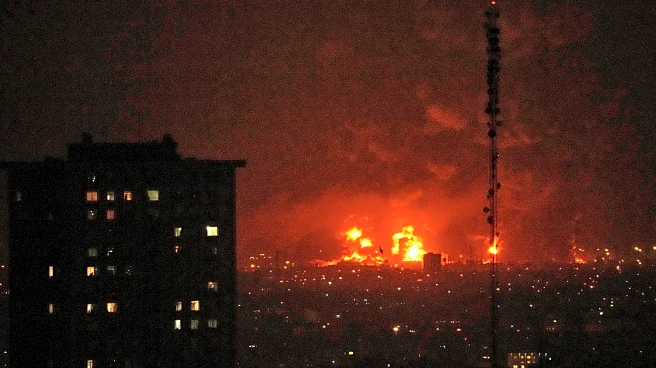
Gas prices across the United States are experiencing a significant surge as the conflict with Iran enters its second week. The ongoing geopolitical tensions in the Middle East, particularly around the Strait of Hormuz, have led to disruptions in oil production
and tanker traffic. This has resulted in a sharp increase in fuel prices globally. Experts predict that the average price for a gallon of gas in the U.S. is on track to reach $4. The situation is exacerbated by Europe's natural gas inventories being at multi-year lows and a higher demand for diesel due to its use in heating oil and agriculture. In California, the impact is particularly severe, with some gas stations charging over $8 per gallon, influenced by state-specific regulations and the global market instability.
Why It's Important?
The rising gas prices have significant implications for the U.S. economy and consumers. Higher fuel costs can lead to increased transportation and production expenses, which may be passed on to consumers in the form of higher prices for goods and services. This could contribute to inflationary pressures, affecting household budgets and potentially slowing economic growth. The situation also highlights the vulnerability of global energy markets to geopolitical tensions, underscoring the need for diversified energy sources and strategies to mitigate such risks. Stakeholders in the transportation and logistics sectors, as well as policymakers, are closely monitoring the situation to assess its impact on the broader economy.
What's Next?
In response to the crisis, the U.S. government has proposed measures to ensure the safety of maritime traffic in the affected region, including offering insurance and naval escorts for tankers. Some shipping companies have already suspended operations in the area due to the heightened risks. The ongoing conflict and its impact on oil production are likely to remain a focal point for international diplomacy and economic policy discussions. Stakeholders will be watching for any developments that could lead to a de-escalation of tensions or further disruptions in the energy markets.