





What's Happening?
U.S. Representative Paul Tonko, alongside Senator Richard Blumenthal and Representative Valerie Foushee, has expressed significant concern regarding the involvement of athletes in personalized marketing campaigns for sportsbook VIP programs. This congressional
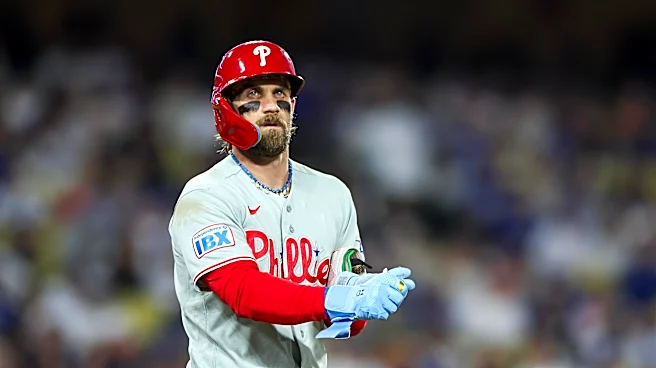
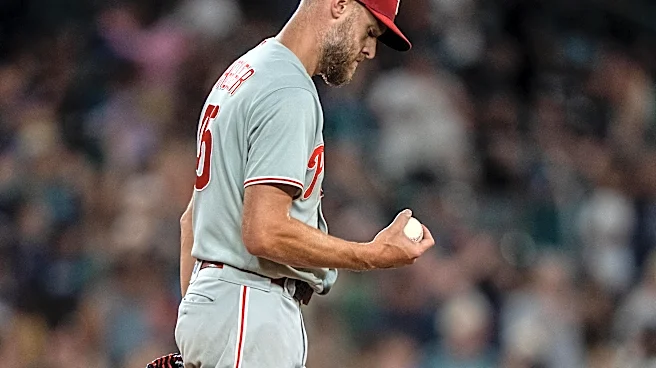
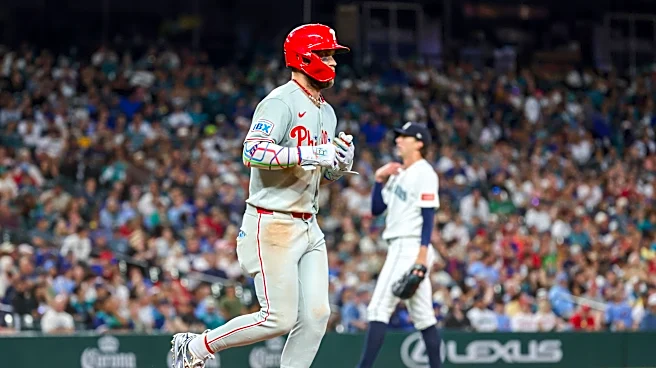
scrutiny follows an incident where a personalized video from Philadelphia Phillies player Bryce Harper was sent via Cameo, requested by FanDuel, to a VIP customer in 2024. This customer subsequently sued FanDuel, alleging that the sportsbook exploited his gambling addiction. The lawmakers sent a letter to Major League Baseball (MLB) and the Major League Baseball Players Association (MLBPA), urging them to take corrective action and ban players from participating in such promotions. The MLBPA has since responded, indicating support for banning players from appearing in marketing content for VIP programs and suggesting that restrictions could be added to its next collective bargaining agreement with MLB. The union also proposed joint restrictions on proposition bets and player-performance event contracts, though MLB has not yet agreed to this. FanDuel, in its response to Congress, defended its VIP programs and responsible gambling measures, stating that its VIP hosts are salaried and not compensated based on customer wagering results, and that they receive additional responsible gambling training.
Why It's Important?
This development highlights a growing concern among U.S. lawmakers regarding the ethical implications of sports betting and its potential impact on vulnerable individuals. The involvement of prominent athletes in personalized VIP promotions raises questions about the industry's responsibility to protect consumers from gambling addiction. If the MLBPA successfully implements a ban on players participating in such marketing, it could set a precedent for other professional sports leagues and player associations, potentially leading to broader changes in how sports betting companies market their services. This could significantly alter the landscape of sports marketing and advertising, particularly for VIP programs that target high-spending customers. The congressional intervention underscores the increasing regulatory attention on the burgeoning U.S. sports betting market, suggesting that stricter guidelines and consumer protection measures may be on the horizon. This could impact the revenue models of sportsbooks and the endorsement opportunities for athletes, while also potentially safeguarding individuals susceptible to gambling-related harm.
What's Next?
The MLBPA's stated support for banning players from sportsbook VIP promotions suggests that this issue will likely be a key point of negotiation in its next collective bargaining agreement with MLB. If these restrictions are formally adopted, it would mark a significant shift in the relationship between professional sports and the gambling industry. Other sports leagues and player associations will be closely watching these developments, and similar calls for restrictions could emerge across different sports. Lawmakers, including Representative Tonko, will likely continue to monitor the situation and may pursue legislative action if they deem industry self-regulation insufficient. FanDuel and other sportsbooks will need to adapt their marketing strategies to comply with any new regulations or union agreements, potentially focusing on broader, less personalized promotional efforts. The ongoing legal case involving the former FanDuel VIP customer could also influence future policy decisions and industry practices, depending on its outcome. The broader conversation around responsible gambling and consumer protection in the U.S. is expected to intensify.
Beyond the Headlines
The controversy surrounding personalized sportsbook VIP promotions touches upon deeper ethical and societal implications related to the commercialization of sports and the potential exploitation of addiction. The use of athletes, who often serve as role models, in marketing that could exacerbate gambling problems raises questions about their responsibility and the moral obligations of sports organizations. This situation also highlights the tension between the lucrative opportunities presented by the expanding sports betting market and the imperative to protect public health. The debate extends beyond mere marketing tactics to the fundamental question of how far sports leagues and betting companies should go to maximize profits when faced with the risk of contributing to social harms. It could lead to a re-evaluation of the ethical frameworks governing partnerships between sports entities and industries with potential negative social impacts, potentially influencing how other controversial products or services are marketed through sports. This could also spur broader discussions about the role of government in regulating industries that leverage personal data and celebrity endorsements to target consumers.