

What's Happening?
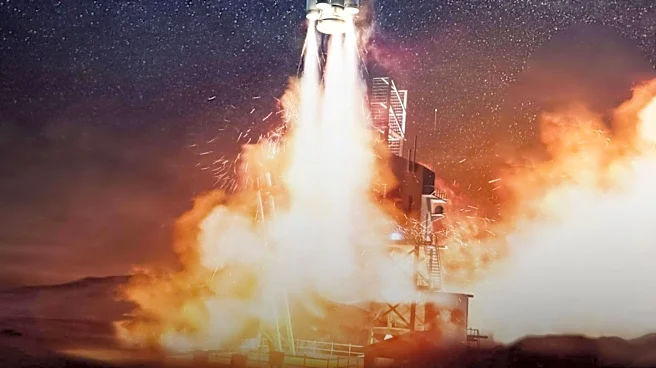
The U.S. has refrained from escalating its conflict with Iran due to a significant depletion of its missile arsenal. Despite ongoing hostilities, the Trump administration is cautious about expanding the conflict, given the limited availability of long-range
and air defense munitions. The shortage has affected U.S. military operations in the region, with recent Iranian attacks causing casualties and damage to U.S. forces. The administration's focus has shifted to maintaining freedom of navigation through the Strait of Hormuz, rather than pursuing broader military objectives.
Why It's Important?
The missile shortage highlights the challenges of sustaining military operations in the face of resource constraints. The situation underscores the importance of strategic resource management and the potential impact of military engagements on national security. The U.S.'s limited ability to escalate the conflict with Iran reflects broader concerns about military readiness and the need for effective resource allocation. The situation also raises questions about the administration's foreign policy strategy and its ability to achieve its objectives in the Middle East.
What's Next?
The U.S. may need to reassess its military strategy in the Middle East, considering the limitations imposed by the missile shortage. This could involve exploring alternative approaches to achieving its objectives, such as diplomatic efforts or increased reliance on allied support. The administration may also face pressure to address the resource constraints affecting military operations and to develop strategies for replenishing its missile stockpile. The situation could prompt broader discussions about the U.S.'s role in the region and the need for a sustainable approach to military engagements.