





What's Happening?
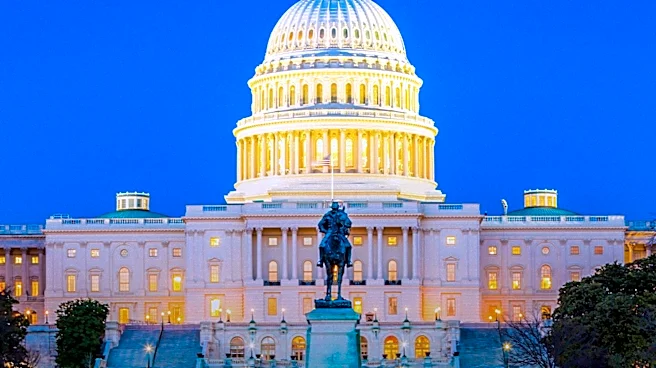
U.S. Representative Suzan DelBene (WA-01) has joined a bipartisan group of colleagues as an original co-sponsor of H. Res. 1611, a resolution designating October 8, 2026, as "National Hydrogen and Fuel Cell Day." This resolution, co-led by Representatives
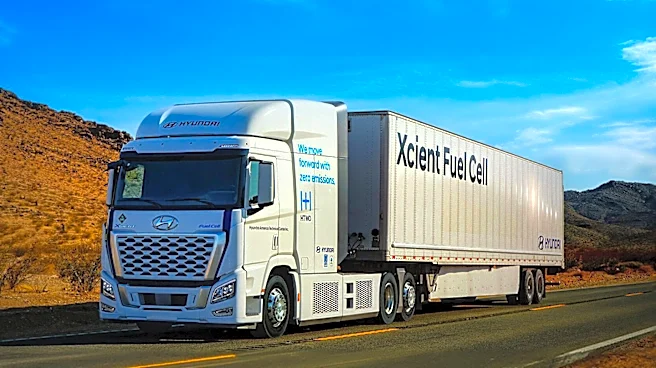
John B. Larson (CT-01), Jim Costa (CA-21), Paul Tonko (NY-20), David Valadao (CA-22), Brian Fitzpatrick (PA-01), and Gus Bilirakis (FL-12), aims to highlight the significant role of hydrogen and fuel cell technologies in American energy production, transportation, grid reliability, and economic growth. The annual observance on October 8 recognizes hydrogen's atomic mass of 1.008. The United States currently produces and utilizes approximately 10 million metric tons of hydrogen annually, which can be derived from various domestic resources and used for energy storage, while fuel cell technologies find applications in transportation, stationary power, and backup power.
Why It's Important?
This bipartisan resolution underscores a growing recognition within Congress of the strategic importance of hydrogen and fuel cell technologies for the nation's energy future. By formally designating a day to acknowledge these technologies, lawmakers aim to raise public awareness and encourage further investment and development in this sector. The emphasis on domestic resources for hydrogen production highlights a push towards energy independence and security, reducing reliance on foreign energy sources. Furthermore, the resolution's focus on grid reliability, economic growth, and job creation indicates the potential for these technologies to contribute to a robust and resilient national infrastructure while fostering innovation and creating new employment opportunities across various industries. The bipartisan support for this initiative suggests a broad consensus on the need to advance clean energy solutions and maintain U.S. leadership in energy innovation.
What's Next?
The introduction of this resolution is a step towards solidifying political support for hydrogen and fuel cell technologies. While the resolution itself is largely symbolic, it can pave the way for future legislative actions, such as continued tax incentives, increased federal funding for research and development, and policies that promote the adoption of these technologies. The co-sponsorship by a diverse group of representatives from different states suggests a widespread interest in leveraging hydrogen and fuel cells to address local and national energy challenges. Moving forward, stakeholders in the energy sector, including manufacturers, researchers, and policymakers, will likely use this recognition to advocate for policies that accelerate the deployment of hydrogen infrastructure and fuel cell applications, aiming to integrate them more deeply into the American energy landscape.
Beyond the Headlines
The bipartisan support for National Hydrogen and Fuel Cell Day reflects a broader shift towards a more diversified and sustainable energy portfolio in the U.S. This initiative goes beyond mere energy production, touching upon critical aspects of environmental sustainability and technological advancement. Hydrogen, particularly 'green' and 'blue' hydrogen, offers a pathway to significantly reduce carbon emissions across various sectors, including heavy industry and transportation, which are traditionally difficult to decarbonize. The resolution also highlights the potential for the U.S. to lead in the global clean energy supply chain, fostering innovation and creating a competitive advantage in emerging energy markets. This long-term vision involves not only technological breakthroughs but also the development of a skilled workforce and robust supply chains to support a hydrogen-based economy, contributing to both environmental protection and economic prosperity.