





What's Happening?
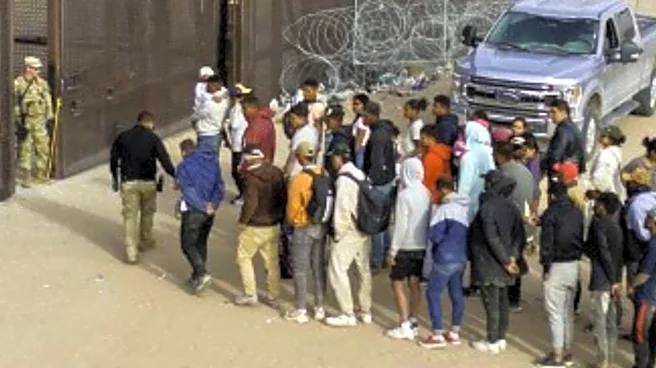
Security forces in Nimroz province have successfully intercepted 327 individuals attempting to be smuggled into neighboring Iran through illegal routes. This operation also led to the seizure of 753 kilograms of various medicines being smuggled from Pakistan
into southwestern Nimroz province. Police spokesman Mawlawi Gul Mohammad Qudrat detailed that seven individuals were prevented from being smuggled in Khash district, 300 in the Sardasht area of Zaranj’s third police district, and 20 along the Zaranj-Delaram highway. Four individuals have been arrested on suspicion of human smuggling in connection with these incidents, and seven vehicles, three rickshaws, and three motorcycles were seized. Additionally, security forces in Khash district discovered and confiscated two kilograms of opium, while personnel from Zaranj’s third police district prevented the smuggling of the large quantity of medicines.
Why It's Important?
The interdiction of human smuggling operations is crucial for regional stability and security, as it disrupts illicit networks that often exploit vulnerable populations. The seizure of such a large quantity of medicines highlights a significant issue of pharmaceutical contraband, which can have detrimental effects on public health and legitimate pharmaceutical markets. Unregulated medicines can be ineffective, harmful, or used in the production of illegal drugs, posing a direct threat to the health and safety of communities. Furthermore, the confiscation of opium indicates ongoing efforts to combat drug trafficking, which is often linked to broader criminal activities and can fuel instability. These actions by security forces underscore a commitment to enforcing border security and combating organized crime, which can have ripple effects on international efforts to control illicit trade and migration.
What's Next?
Authorities are expected to continue investigations into the arrested individuals to dismantle the human smuggling and contraband networks operating in the region. Further efforts may focus on enhancing border surveillance and intelligence sharing with neighboring countries to prevent future smuggling attempts. The seized medicines will likely undergo analysis to determine their origin and intended use, which could lead to further actions against those involved in their illicit trade. The ongoing crackdown on opium smuggling suggests a sustained campaign against drug trafficking, potentially leading to increased interdictions and arrests. These operations may also prompt a review of existing security protocols and resource allocation to address the persistent challenges of illegal migration and contraband flow.
Beyond the Headlines
The persistent issue of human smuggling and contraband trade in Nimroz reflects broader socio-economic pressures and regional instability. The desperation driving individuals to attempt illegal migration often stems from economic hardship, conflict, or lack of opportunities in their home countries. This creates a fertile ground for human traffickers who exploit these vulnerabilities. The smuggling of medicines also points to potential gaps in healthcare access or regulatory frameworks, creating a demand for illicit pharmaceutical products. Addressing these underlying causes, such as promoting economic development, improving healthcare infrastructure, and fostering regional stability, could be crucial for long-term solutions. The interconnectedness of drug trafficking, human smuggling, and other illicit activities underscores the complex challenges faced by security forces and highlights the need for comprehensive, multi-faceted approaches that go beyond mere interdiction.