








What's Happening?
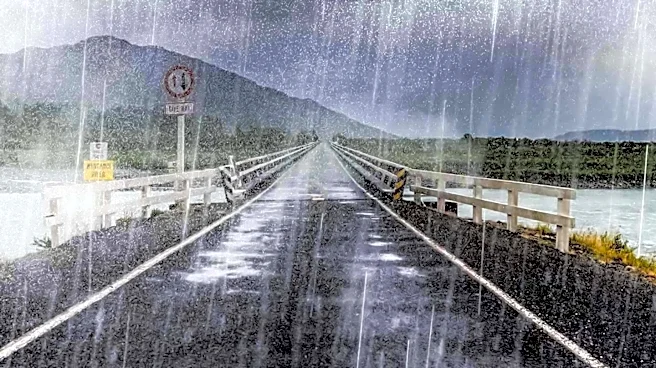
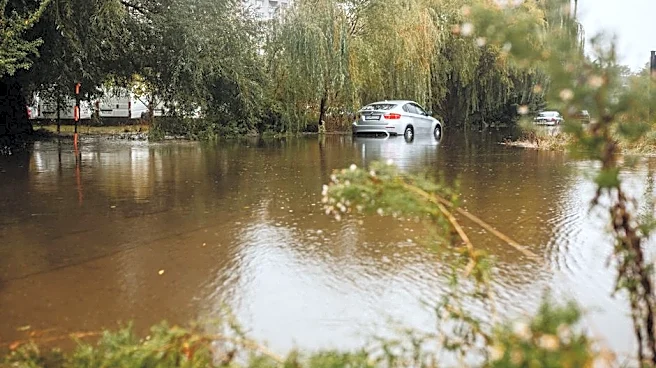
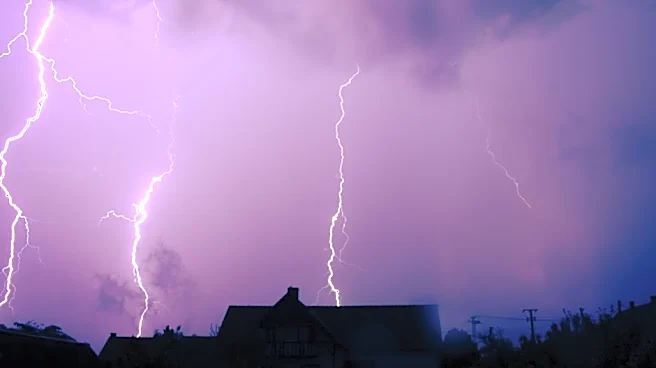
The Upper Midwest is facing a significant threat of flash floods as relentless storms continue to impact the region. According to the FOX Forecast Center, a series of thunderstorms are expected to pass over the same areas repeatedly, increasing the risk
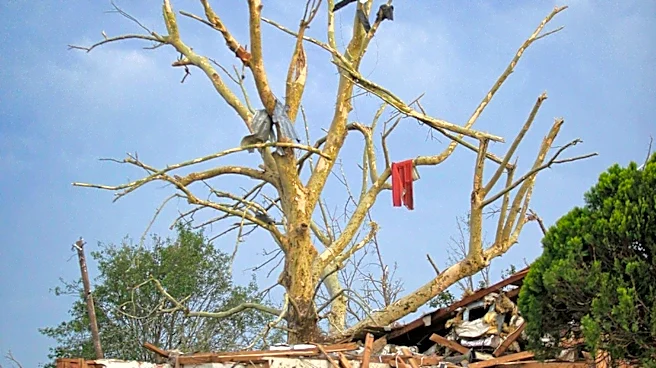
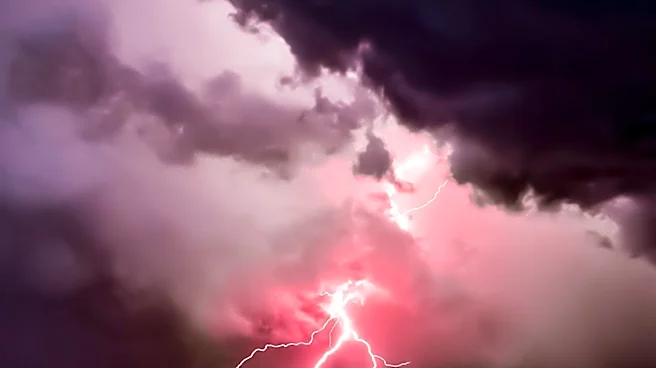
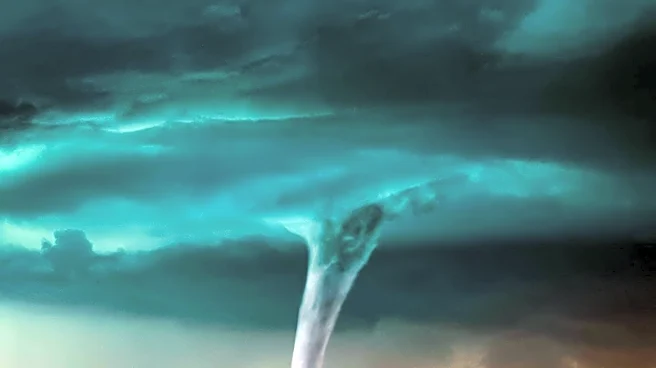
of flooding. The National Oceanic and Atmospheric Administration's Weather Prediction Center has issued a Level 2 out of 4 flash flood threat for parts of Wisconsin, Iowa, Nebraska, and northern Kansas. These areas have already experienced above-average precipitation this year, making them particularly vulnerable to additional flooding. Recent severe weather has included wind gusts over 75 mph in South Dakota and multiple tornado reports in northern Minnesota. Emergency shelters have been opened in affected areas, such as Detroit Lakes, Minnesota, to assist displaced residents.
Why It's Important?
The ongoing severe weather poses a significant risk to millions of residents in the Upper Midwest, potentially leading to property damage, displacement, and disruptions to daily life. The saturated soil conditions heighten the risk of flash floods, which can cause rapid and dangerous water level rises. This situation underscores the importance of emergency preparedness and the need for effective communication from weather services to ensure public safety. The economic impact could be substantial, affecting agriculture, infrastructure, and local economies already strained by previous weather events. The persistent severe weather patterns also highlight broader concerns about climate variability and its effects on regional weather systems.
What's Next?
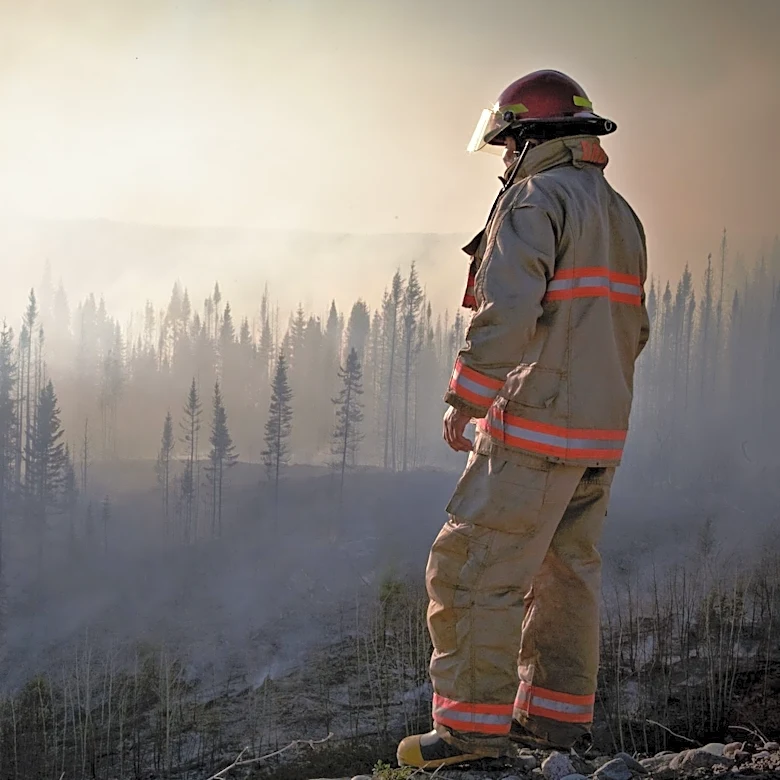
As the storms continue, residents in the affected areas are advised to stay informed through local weather updates and heed any evacuation orders or safety advisories. Emergency services and local governments are likely to remain on high alert, ready to respond to any incidents of flooding or severe weather damage. The weather pattern is expected to persist, with additional rainfall forecasted, which could exacerbate the current situation. Long-term recovery efforts may be necessary in areas that experience significant damage, and discussions around infrastructure resilience and climate adaptation may gain renewed focus.