





What's Happening?
Ukraine has proposed a long-term ceasefire to Russia after Russian President Vladimir Putin suggested a temporary truce for the upcoming Victory Day celebrations. This proposal was announced by Ukrainian President Volodymyr Zelensky on April 30, 2026,
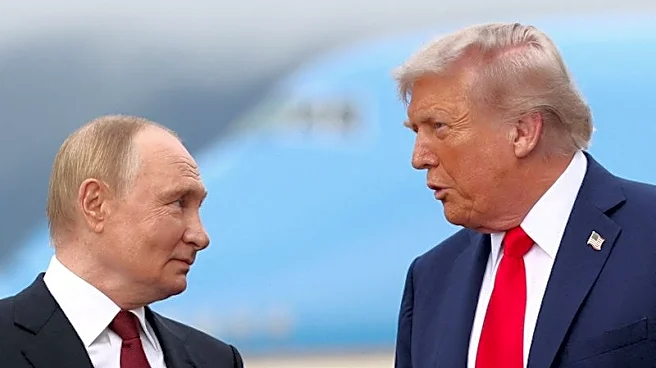
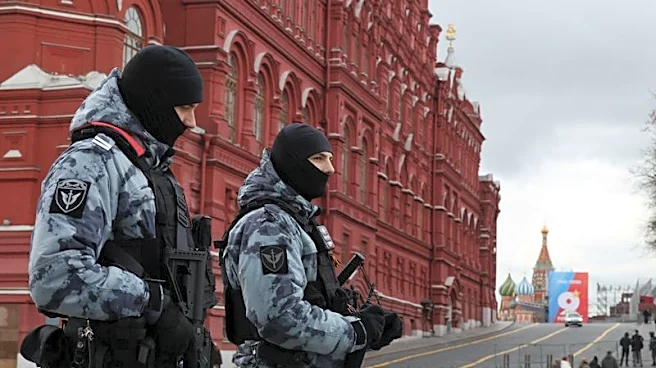
following a phone call between Putin and U.S. President Donald Trump. The temporary truce suggested by Putin is intended to coincide with Russia's May 9 Victory Day, a significant national holiday. Zelensky emphasized the need for a reliable and lasting peace, contrasting with Russia's history of proposing short-term truces. The Ukrainian government is seeking clarity on the nature of the proposed truce and has instructed negotiators to engage with the U.S. to understand Moscow's intentions. The Kremlin has indicated that the truce would be declared unilaterally by Russia and would not require a response from Ukraine.
Why It's Important?
The proposal for a long-term ceasefire is crucial as it represents Ukraine's ongoing efforts to secure a stable and lasting peace in the region. The conflict in Ukraine has had severe humanitarian and economic impacts, and a long-term ceasefire could alleviate these issues. The involvement of the U.S. in these discussions underscores its role as a key mediator in international conflicts. However, the success of such a ceasefire depends on Russia's willingness to engage in genuine negotiations and address contentious issues such as territorial disputes. The international community's support and pressure may be necessary to ensure compliance and progress towards a comprehensive peace agreement.
What's Next?
The next steps involve diplomatic negotiations to establish the terms of a long-term ceasefire. Ukraine is likely to push for international guarantees and monitoring mechanisms to ensure compliance. The response from Russia will be critical, as previous ceasefire agreements have been violated. The international community, including the U.S. and European allies, may need to play a more active role in facilitating dialogue and providing security assurances. The outcome of these negotiations could significantly impact the geopolitical landscape in Eastern Europe and set a precedent for resolving similar conflicts.