






What's Happening?
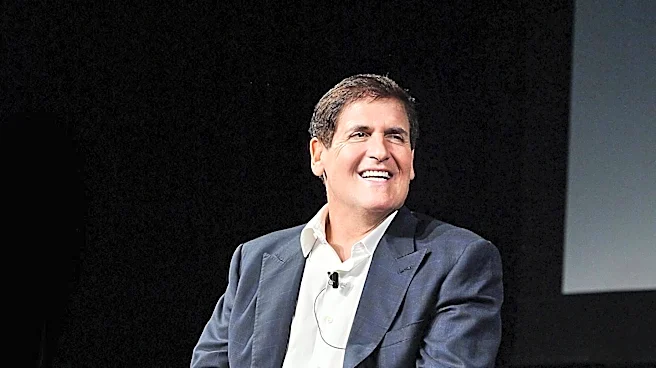
U.S. Representative Mark Takano, alongside Senator Bernie Sanders, is championing the concept of a 32-hour standard workweek without any reduction in pay or benefits. This initiative is gaining traction due to increasing productivity driven by advancements
in artificial intelligence and automation. A recent survey by Forbes Advisor, which examined employers who have implemented a 32-hour workweek, indicates that this idea is re-entering the national conversation. The survey highlighted that 75% of participating companies reported improved productivity, and 91% noted an enhanced work-life balance among their employees. Many companies involved in these trials have either made the shorter week permanent or extended their pilot programs, suggesting a potential long-term shift in workplace norms. The discussion around this proposal is particularly relevant as businesses evaluate how to adapt to technological progress and evolving employee expectations.
Why It's Important?
The push for a 32-hour workweek by prominent U.S. lawmakers like Representative Takano could significantly impact the American labor landscape. If adopted, such a policy would redefine standard employment practices, potentially leading to widespread changes in compensation structures, employee benefits, and overall work culture. For industries, particularly those experiencing high productivity gains from AI and automation, this could mean a re-evaluation of operational efficiencies and staffing models. While proponents argue it could boost employee morale, reduce burnout, and improve work-life balance, some business leaders express concerns about potential impacts on output and competitiveness, especially in sectors where labor hours directly correlate with revenue, such as those with billable hours. The debate also touches upon the broader economic implications, including how it might affect unemployment rates and the cost of doing business in the U.S.
What's Next?
The proposal for a 32-hour workweek is expected to continue to be a subject of legislative debate and public discourse. As Representative Takano and Senator Sanders advocate for this change, more detailed legislative proposals or pilot programs could emerge at federal or state levels. Businesses, particularly those in the Lehigh Valley and across the nation, will likely continue to weigh the pros and cons, with some potentially experimenting with shorter workweeks to attract and retain talent in a competitive labor market. The ongoing integration of AI and automation will further fuel this discussion, as companies assess whether increased technological efficiency can offset reduced working hours without compromising productivity or profitability. The success of current trials and the findings from future studies will be crucial in shaping the future trajectory of this policy initiative.
Beyond the Headlines
Beyond the immediate economic and policy implications, the discussion around a 32-hour workweek delves into fundamental questions about the nature of work, societal values, and the distribution of wealth in an increasingly automated economy. It challenges the long-held assumption that more hours equate to more productivity and success, prompting a re-evaluation of work-life balance as a critical component of employee well-being and overall societal health. Ethically, it raises questions about how the benefits of technological advancements, such as AI-driven productivity, should be shared between employers and employees. Culturally, a widespread shift to a shorter workweek could lead to significant changes in leisure activities, family dynamics, and community engagement, potentially fostering a more balanced and fulfilling lifestyle for many Americans. This movement could also influence global labor standards, positioning the U.S. at the forefront of a new era of work.