


What's Happening?
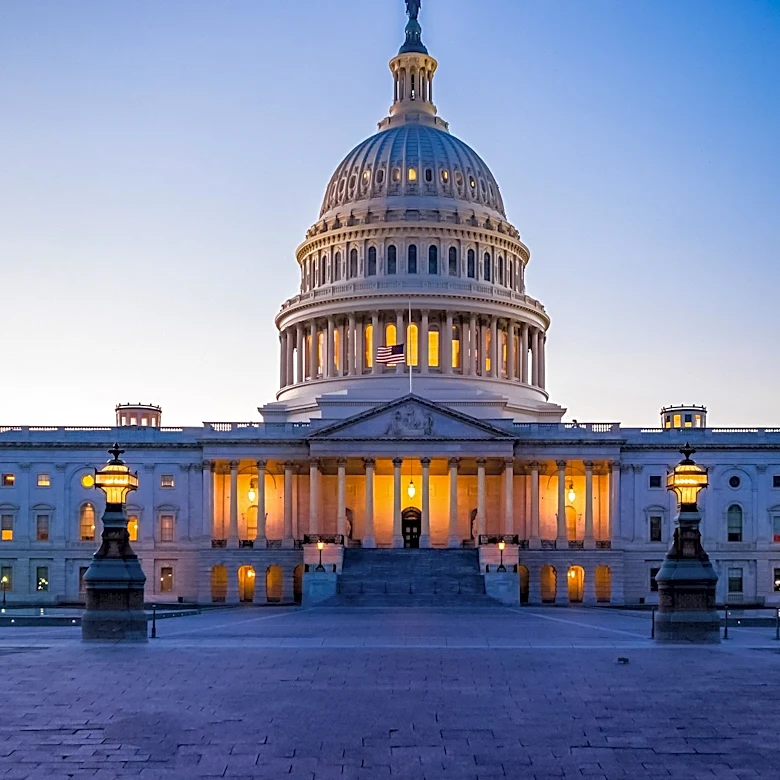
Congresswoman Zoe Lofgren, Ranking Member of the House Science, Space, and Technology Committee, recently chaired a hearing titled "Innovation in Disaster Prevention: Advancing Technology for Prediction and Response." During the hearing, Lofgren emphasized
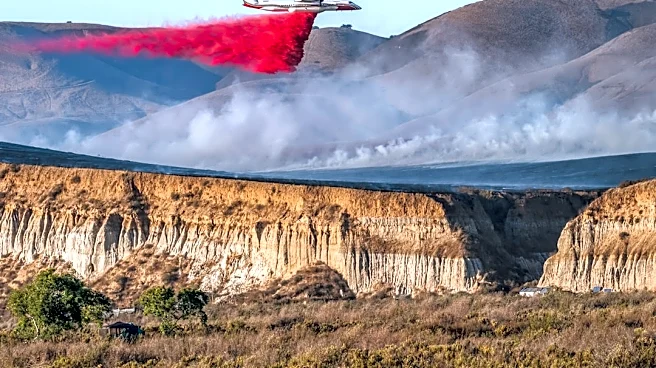
the critical need for increased investment in science, technology, and interagency collaborations to effectively address the growing challenges posed by extreme weather and natural hazards. She specifically highlighted the importance of developing advanced tools for forecasting, detection, warning, and response to natural disasters. Citing examples from California, Lofgren advocated for the integration of artificial intelligence (AI), machine learning, and robust research programs to enhance public safety and improve emergency planning across the nation. The discussion underscored the necessity of a proactive, technology-driven approach to disaster preparedness and mitigation.
Why It's Important?
This initiative is important because the U.S. faces increasing threats from extreme weather events and natural hazards, which have significant economic and societal impacts. Investing in advanced technologies like AI and machine learning for disaster prevention can lead to more accurate predictions, earlier warnings, and more effective response strategies, potentially saving lives and reducing property damage. Improved interagency partnerships can streamline communication and resource allocation during crises, enhancing overall national resilience. For industries, this could spur innovation in areas such as remote sensing, data analytics, and emergency communication systems. Furthermore, a focus on nonpartisan disaster response funding, as advocated by Lofgren, is crucial for ensuring consistent and equitable aid distribution, preventing political considerations from hindering recovery efforts in affected communities. The emphasis on research programs also supports long-term scientific advancements vital for understanding and mitigating future risks.
What's Next?
Following the hearing, the focus will likely shift to legislative efforts aimed at securing funding and policy changes to support the proposed technological advancements and interagency collaborations. Congresswoman Lofgren's advocacy suggests potential new bills or amendments to existing legislation that would allocate resources for AI and machine learning research in disaster prevention, as well as strengthen coordination among federal agencies like NOAA, NASA, NSF, NIST, and FEMA. Stakeholders, including technology companies, scientific research institutions, and emergency management organizations, will likely engage with lawmakers to shape these policies and secure contracts for developing and implementing new solutions. The ongoing discussions will also aim to ensure that disaster response remains a non-political issue, advocating for consistent federal aid regardless of the political landscape. Future actions may include pilot programs for new technologies and increased public-private partnerships to accelerate innovation in this critical sector.
Beyond the Headlines
Beyond the immediate policy implications, this push for technology in disaster prevention highlights a broader societal shift towards leveraging advanced computing for public good. The integration of AI and machine learning into hazard prediction and response systems raises important ethical considerations regarding data privacy, algorithmic bias, and the potential for over-reliance on technology. Ensuring equitable access to these advanced tools and their benefits, particularly for vulnerable communities, will be a key challenge. Furthermore, the emphasis on interagency partnerships underscores the complex, interconnected nature of modern challenges, requiring a holistic approach that transcends traditional bureaucratic silos. This initiative could also foster a new generation of scientific and technological talent focused on environmental and public safety issues, driving long-term innovation and resilience in the face of evolving climate patterns and natural threats.