




What's Happening?
Contrary to popular belief, Phoenix, Arizona, receives more rainfall during its winter months (December to March) than during the widely recognized monsoon season (June 15 to September 30). Data from the NOAA/NCEI 1991–2020 climate normals indicates that
December through March accounts for 46% of the year's rain at Sky Harbor Airport, while the entire monsoon season contributes 34%. This pattern is even more pronounced in the north and east Valley areas, where February often emerges as the wettest month. For instance, Scottsdale Municipal receives 51% of its annual rainfall between December and March. The perception that the monsoon delivers the majority of Phoenix's rain is largely due to its intense, short bursts, which are more noticeable than the slower, soaking rains of winter. The 30-year normals have also shown a slight decrease in annual rainfall for Phoenix, from 8.03 inches in the 1981–2010 period to 7.22 inches in the current 1991–2020 period.
Why It's Important?
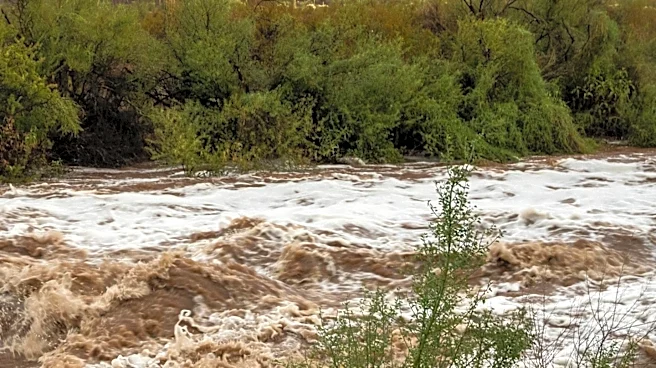
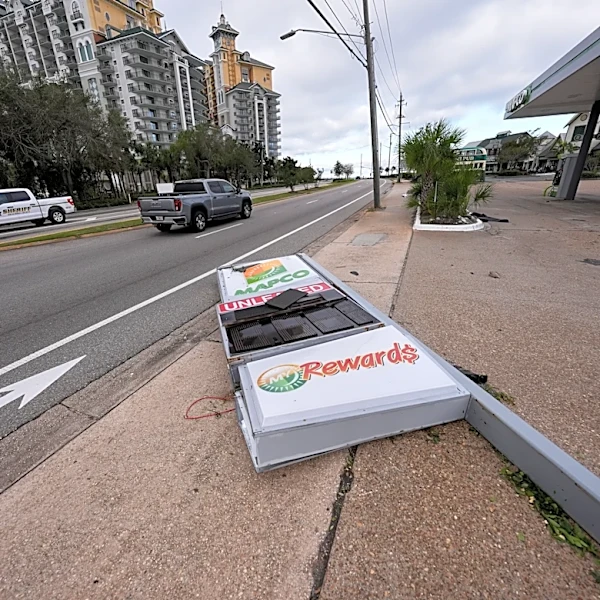
This re-evaluation of Phoenix's rainfall patterns has significant implications for urban planning, infrastructure maintenance, and public awareness regarding water management. The understanding that winter rains contribute more to annual precipitation means that drainage systems and property maintenance strategies need to account for prolonged saturation rather than just intense, short-duration events. Winter rains, characterized by slower soaking, can lead to different types of damage, such as prolonged dampness in fascia boards, which can cause wood rot. Additionally, saturated ground from initial winter storms can lead to increased runoff and localized flooding during subsequent storms, even if the rainfall intensity is lower than a monsoon event. This shift in understanding also affects how residents prepare their homes, particularly gutters and downspouts, for the different challenges posed by winter precipitation compared to the monsoon season. The data highlights the need for a more nuanced approach to water management and flood control in the region.
What's Next?
With a historically strong El Niño currently underway, the Southwest is expected to experience wetter conditions, particularly during the usual wet window of January through March. While El Niño shifts the odds towards increased precipitation, it does not guarantee it, as demonstrated by a strong El Niño in 2016 that still resulted in a drier-than-normal winter for much of Arizona. Property owners and maintenance professionals in the Phoenix area should prepare for potential prolonged wet periods. This includes checking for gutter sags, ensuring mitered corners are sealed, and verifying that downspouts direct water away from foundations. The increased likelihood of winter rainfall also means that the ground may become saturated, leading to runoff issues even with moderate rain. Residents in areas like Scottsdale, Paradise Valley, Cave Creek, Peoria, Sun City, Mesa, Gilbert, and Chandler, which show a more pronounced winter-leaning rainfall pattern, should be particularly vigilant in their preparations.
Beyond the Headlines
The revised understanding of Phoenix's rainfall distribution challenges long-held local perceptions and underscores the importance of relying on updated scientific data for environmental planning. The common belief that the monsoon is the primary rain event has likely led to a focus on managing high-intensity, short-duration water flows, potentially overlooking the cumulative effects of sustained winter moisture. This could have broader implications for landscaping choices, water conservation efforts, and even the types of building materials used in construction. The phenomenon of 'wet stays wet' during winter, leading to different forms of property damage, highlights the need for public education campaigns to inform residents about these distinct challenges. Furthermore, the influence of climate phenomena like El Niño on regional weather patterns emphasizes the dynamic nature of local climates and the necessity for continuous adaptation in urban and residential infrastructure.