



What's Happening?
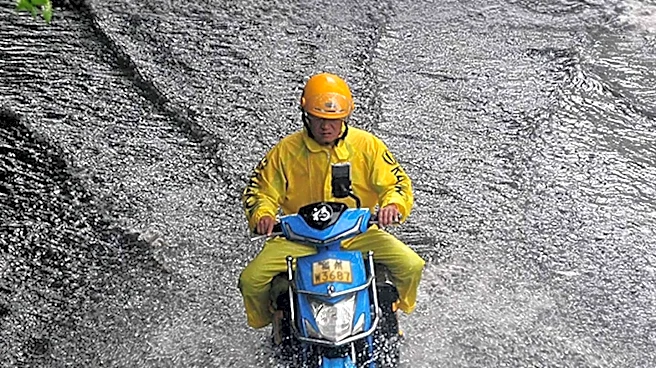
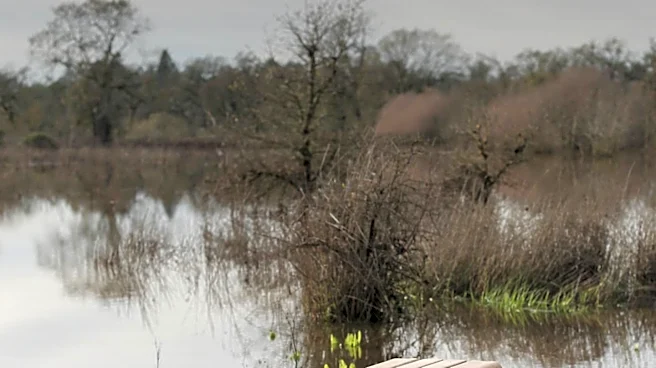
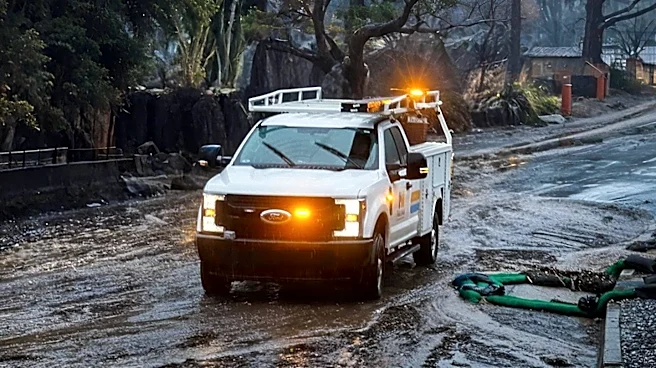
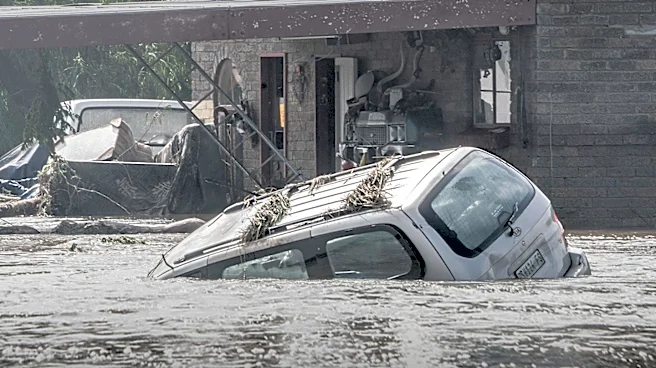
Woodland Park, New Jersey, experienced severe flooding due to heavy rainfall, leading to significant disruptions in the area. The intense rain overwhelmed local roads and caused water to infiltrate homes, prompting emergency responses. Two daycare centers
were evacuated as a precautionary measure to ensure the safety of children and staff. The flooding has highlighted the vulnerability of the area to extreme weather events, raising concerns about infrastructure resilience and emergency preparedness.
Why It's Important?
The flooding in Woodland Park underscores the increasing frequency and intensity of weather-related disruptions in urban areas. Such events can have profound impacts on local communities, affecting daily life, safety, and economic activities. The evacuation of daycares and damage to homes illustrate the immediate challenges faced by residents and local authorities. This incident may prompt discussions on improving flood management systems and infrastructure to better withstand future weather events. Additionally, it raises awareness about the need for comprehensive emergency plans to protect vulnerable populations, such as children in daycare facilities.
What's Next?
In the aftermath of the flooding, local authorities are likely to assess the damage and evaluate the effectiveness of their emergency response strategies. There may be calls for investment in infrastructure improvements to mitigate future flooding risks. Community meetings and discussions with stakeholders could be organized to address concerns and develop long-term solutions. The incident may also influence policy discussions at the state level regarding climate resilience and urban planning.
Beyond the Headlines
The flooding event in Woodland Park may serve as a catalyst for broader conversations about climate change and its impact on urban environments. It highlights the need for sustainable development practices and the integration of climate adaptation measures in city planning. The incident could also lead to increased public awareness and advocacy for environmental policies aimed at reducing the impact of extreme weather events.