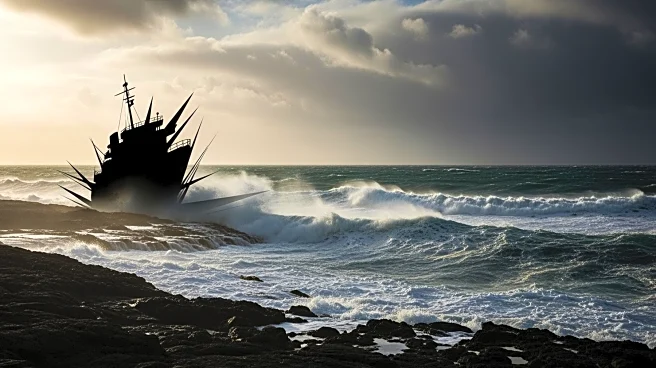

What's Happening?
On January 5, 2026, high winds in Ushuaia, Argentina, caused the Atlas Ocean Voyages' World Voyager cruise ship to collide with the docked Viking Octantis. No guests were on board the World Voyager at
the time, and there were no injuries reported among the crew. The incident occurred during blustery weather conditions, with wind gusts reaching over 54 mph. The World Voyager was inspected and has since continued its scheduled Antarctica cruise. This incident is part of a series of similar events where cruise ships have been affected by strong winds.
Why It's Important?
The collision highlights the challenges faced by the cruise industry in managing weather-related risks, particularly in regions prone to extreme conditions. Such incidents can impact the reputation of cruise lines and lead to increased scrutiny of safety protocols. The event underscores the importance of robust weather monitoring and contingency planning to ensure passenger and crew safety. As climate change potentially increases the frequency of extreme weather events, the cruise industry may need to invest in more resilient infrastructure and adaptive strategies.
Beyond the Headlines
The incident raises questions about the adequacy of current safety measures and the need for improved technology to predict and mitigate weather-related risks. It also highlights the potential impact of climate change on maritime operations, as changing weather patterns could lead to more frequent disruptions. The cruise industry may need to collaborate with meteorological experts to enhance forecasting capabilities and develop more effective response strategies. Additionally, the incident could prompt regulatory bodies to review and update safety standards for cruise operations in vulnerable regions.