




What's Happening?
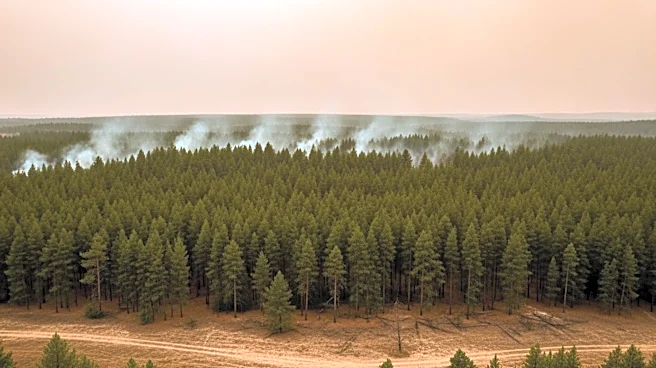
Wildfires have intensified across southeastern Georgia and northeastern Florida, leading to the destruction of 50 homes and forcing evacuations and school closures in several communities. The Georgia Forestry Commission has issued its first-ever mandatory
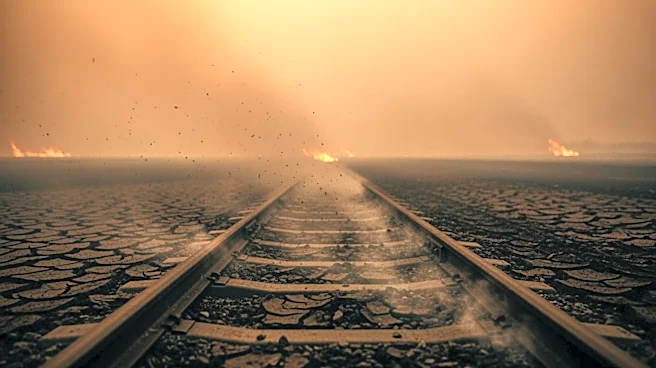
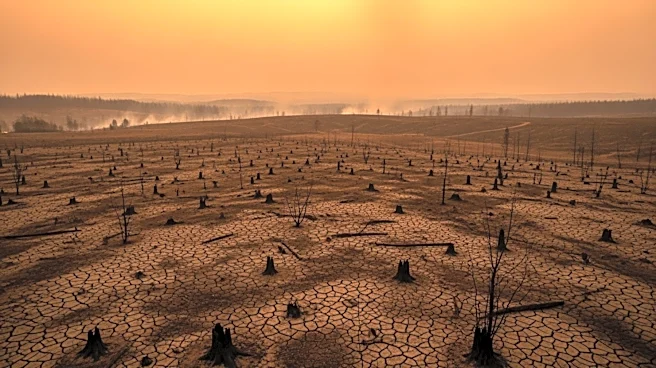
burn ban across 91 counties due to worsening drought conditions and increased wildfire activity. Smoke from the fires has affected air quality in cities such as Atlanta and Savannah, Georgia, and Jacksonville, Florida. The fires have been exacerbated by a prolonged drought, low humidity, and strong winds. Georgia's two largest wildfires have burned over 31 square miles, with additional smaller fires reported. The drought affecting the contiguous U.S. is at record levels for this time of year, with over 61% of the lower 48 states experiencing moderate to exceptional drought conditions.
Why It's Important?
The wildfires in Georgia and Florida highlight the severe impact of drought conditions on the southeastern U.S., posing significant risks to communities and the environment. The destruction of homes and the need for evacuations underscore the immediate threat to public safety and property. The mandatory burn ban reflects the urgent need to prevent further fire outbreaks. The situation also emphasizes the broader implications of climate change, as prolonged droughts and extreme weather conditions become more frequent. The economic impact is substantial, with potential losses in property, increased firefighting costs, and disruptions to local economies. The fires also pose health risks due to deteriorating air quality, affecting residents in major urban areas.
What's Next?
Efforts to combat the wildfires are ongoing, with firefighting equipment being strategically positioned across affected areas. Authorities are urging residents to adhere to evacuation orders and stay informed about changing conditions. The Georgia Forestry Commission and local officials are closely monitoring the situation, with additional resources being deployed as needed. The long-term outlook depends on weather conditions, with hopes for rain to alleviate drought conditions. The situation may prompt discussions on improving fire management strategies and addressing the root causes of increased wildfire activity, such as climate change and land management practices.