



What's Happening?
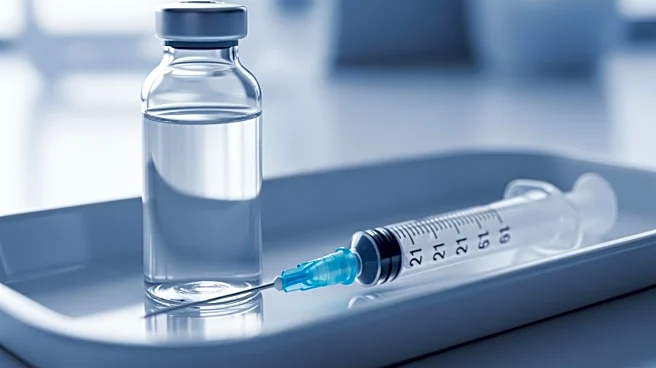
Recent reports indicate a resurgence of Haemophilus influenzae type B (Hib), a potentially deadly bacterial infection, in the United States. Historically, Hib affected 20,000 children annually, causing severe illnesses such as pneumonia and meningitis.
The introduction of the Hib vaccine over three decades ago drastically reduced cases by more than 99%, with current annual cases numbering fewer than 50. However, recent hospitalizations of unvaccinated children in Florida and Tennessee have raised concerns among health experts about a potential comeback of the disease. The Centers for Disease Control and Prevention (CDC) has not reported an increase in preventable Hib infections, but experts warn that declining vaccination rates could lead to a resurgence.
Why It's Important?
The potential resurgence of Hib highlights the critical role of vaccinations in preventing infectious diseases. With some states considering ending school-entry vaccination requirements, the risk of outbreaks increases. The situation underscores the importance of maintaining high vaccination rates to protect public health. Experts fear that a decline in vaccinations could lead to the return of other preventable diseases, posing significant health risks to children. The issue also raises concerns about the adequacy of current disease surveillance and reporting systems, which are crucial for early detection and response to outbreaks.
What's Next?
Health experts are likely to advocate for stronger vaccination policies and increased public awareness campaigns to counteract vaccine hesitancy. There may be calls for enhanced surveillance and reporting mechanisms to better track and respond to potential outbreaks. Policymakers could face pressure to maintain or strengthen vaccination requirements to prevent the resurgence of preventable diseases. The situation may also prompt discussions on the allocation of resources for public health initiatives and the importance of maintaining robust vaccination programs.