



What's Happening?
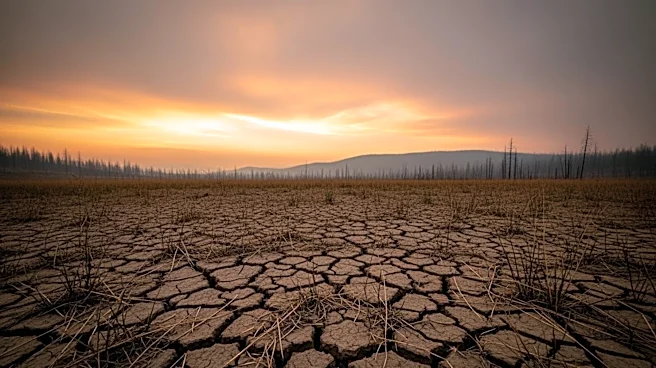
The National Interagency Fire Center (NIFC) has issued a forecast indicating a potentially severe wildfire season for the Western United States. The report highlights record-low snowpacks, early snowmelt, and high temperatures as contributing factors
to the increased fire risk. Areas such as New Mexico, Arizona, Colorado, and Wyoming are expected to experience above-average wildfire potential. The early onset of the fire season has already seen over 1.6 million acres burned, primarily due to grassfires in the Plains states.
Why It's Important?
The anticipated intense wildfire season poses significant risks to communities, ecosystems, and resources across the Western U.S. The strain on firefighting resources could lead to challenges in managing simultaneous large-scale fires. The situation underscores the need for preparedness and proactive measures, such as fuel reduction treatments and prescribed burns, to mitigate the impact of wildfires. The forecast also highlights the broader implications of climate change, as changing weather patterns contribute to more frequent and severe fire seasons.
What's Next?
Communities and agencies in the affected regions are likely to increase their preparedness efforts, including public awareness campaigns and resource allocation for firefighting. The NIFC and other agencies may coordinate to ensure adequate support and response capabilities. Long-term strategies to address climate change and its impact on wildfire frequency and intensity will continue to be a focus for policymakers and environmental organizations.