



What's Happening?
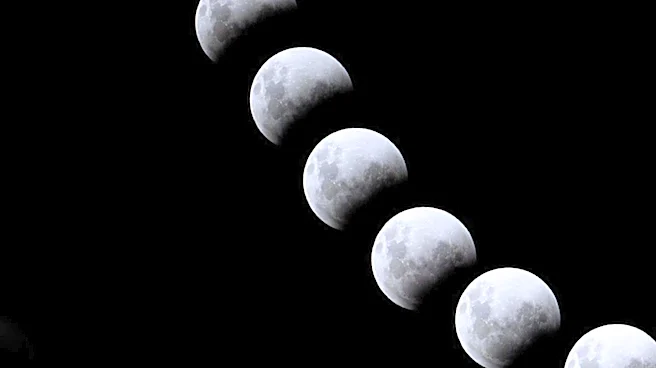
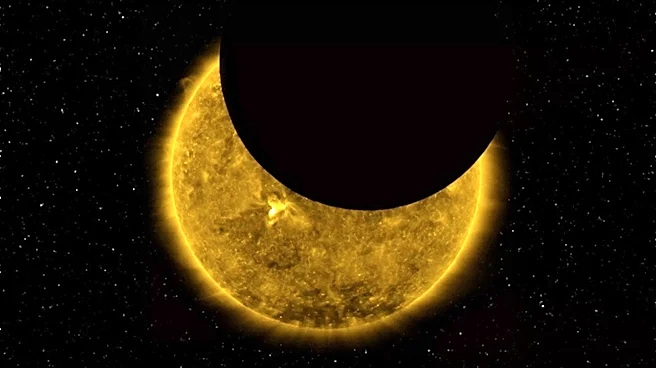
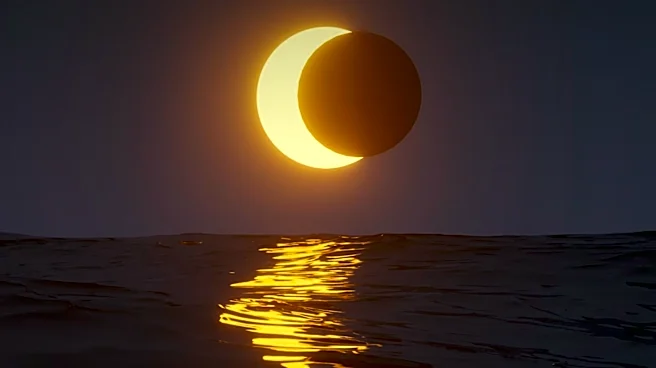
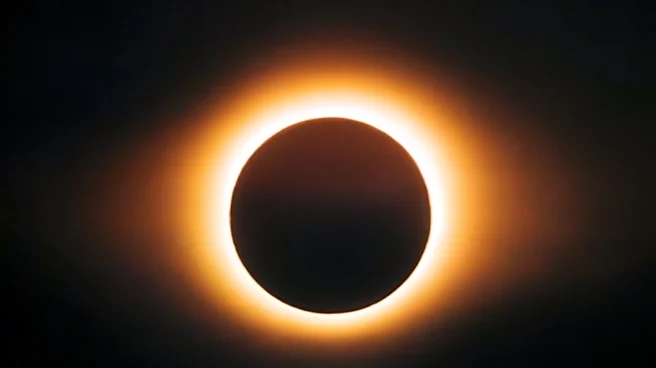
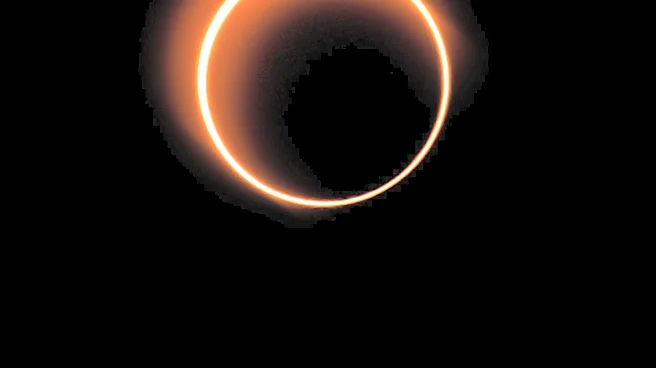
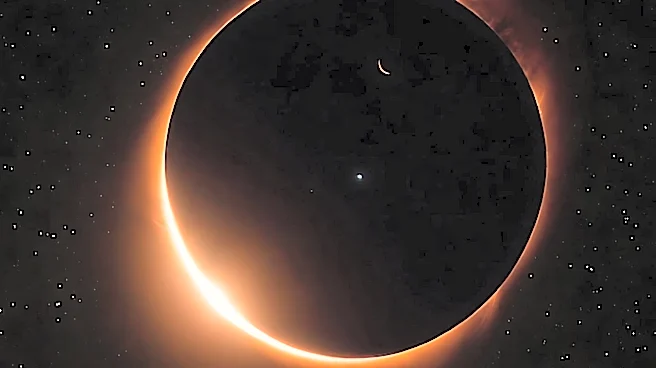
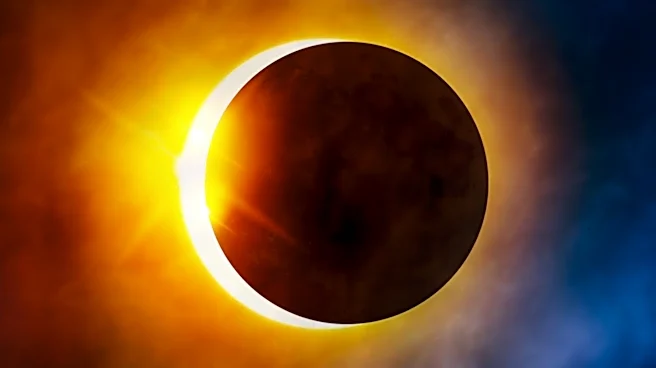
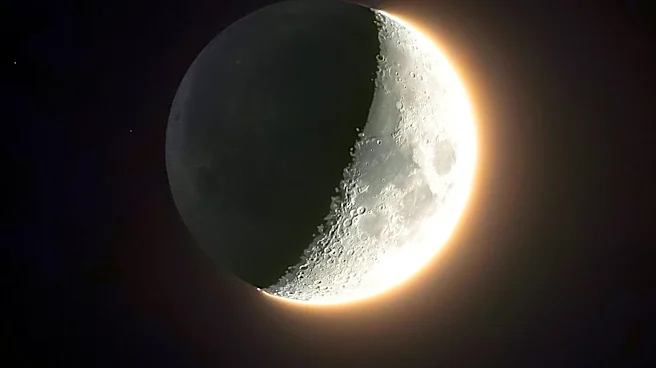
A total solar eclipse is set to occur, with its path crossing the Arctic and southern Europe, providing a rare celestial event for millions. This marks the first total solar eclipse visible from mainland Europe since 1999. While the total eclipse will
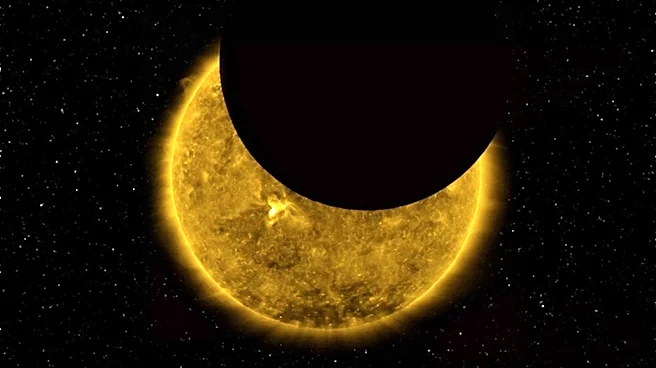
not be visible in the U.S., some states will experience a partial eclipse. The event is expected to captivate skywatchers, with the possibility of observing Perseid meteors on the same night, adding to the spectacle.
Why It's Important?
Solar eclipses are significant astronomical events that draw attention from both scientists and the general public. They offer opportunities for scientific study, particularly in understanding the sun's corona and other solar phenomena. For the public, eclipses provide a chance to engage with science and nature, fostering interest in astronomy and related fields. The partial eclipse visible in the U.S. serves as a reminder of the interconnectedness of global natural events and the shared experience of observing the cosmos.
What's Next?
As the eclipse approaches, preparations are underway for viewing events and educational programs to maximize public engagement. Observatories and science centers are likely to host events to educate the public about the eclipse and safe viewing practices. The event may also inspire future interest in astronomy and space exploration, particularly among younger audiences. Additionally, the occurrence of the Perseid meteor shower on the same night could enhance public interest and participation in stargazing activities.